
IB + EPIC · Forms 1–10
The IB framework.
Learning made personal.
EPIC is The Pupil’s approach to personalising learning within the IB framework. In Forms 1–10, students build understanding at their own pace, make guided choices and reflect on their progress.

01 / THE FILM
Every child’s next step.
Two children can need different next steps in the same lesson. EPIC begins with understanding what each child needs and giving both curiosity and confidence room to grow.
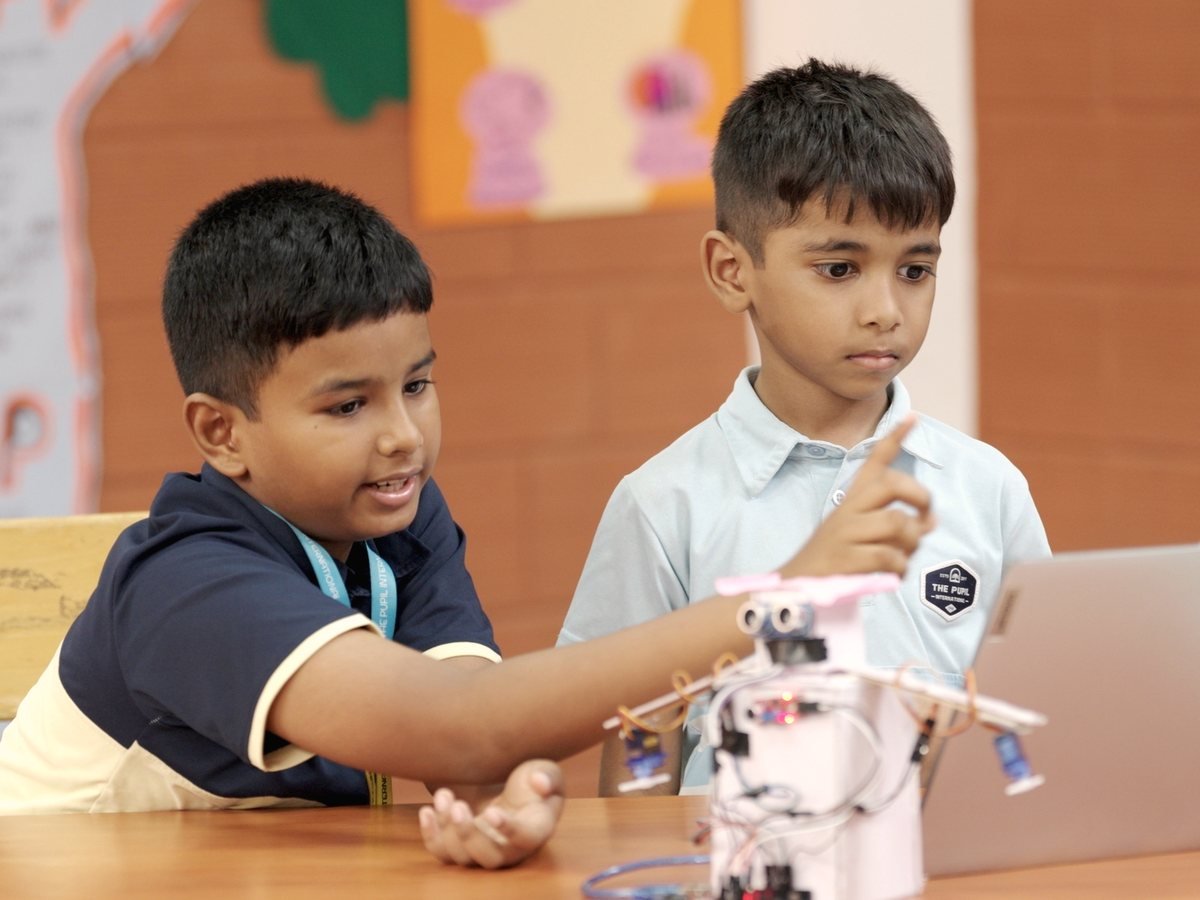 Film coming soon
A 75-second film is in development. The longer founder film will explore the thinking behind EPIC.
What the two words mean
The IB provides the framework.
EPIC makes the learning personal.
The IB already values inquiry, agency and reflection. EPIC is how The Pupil organises learning so that each child can make guided choices within that framework.
Learning that is not limited by a textbook.
The IB brings together knowledge, concepts, inquiry and approaches to learning. It gives students a framework for understanding the world and acting thoughtfully within it.
Explore. Personalise. Inquire. Create.
Within the Primary and Middle Years, students work towards appropriate next steps, plan parts of their week with support, and reflect on what they have learned.
Explore
Many spaces, many ways in.
Personalise
Own level, own pace.
Inquire
Questions before answers.
Create
Real work, shown to real people.
One child, different starting points
Five subjects.
Five next steps.
A child can be ready to move ahead in one subject and need more time in another. Teaching starts with what they understand, not an assumption that every subject must move at the same speed.
Illustrative example, not a named student’s results. The school confirms each child’s learning plan.
An example learning profile
- MathsReady for a greater challenge
- ScienceBuilding on current understanding
- EnglishExtending ideas and expression
- TamilMore time to strengthen foundations
- FrenchPractising and applying new skills
Progress is a next step, not a comparison with another child.
A week in EPIC
Choice.
Inside a clear structure.
Teacher-led workshops, guided choices and reflection work together. The school confirms the timetable for each class; this overview describes the learning rhythm, not fixed lesson times.
Plan with support.
Decide what needs attention and choose tasks with the teacher’s guidance.
Learn together.
Join workshops and learn with teachers, peers and older students.
Practise independently.
Use appropriate materials and spaces to work towards the next step.
Reflect and adjust.
Talk about what worked, use feedback and decide what to try next.
05 / LEARNING IN ACTION
A choice becomes
a next step.
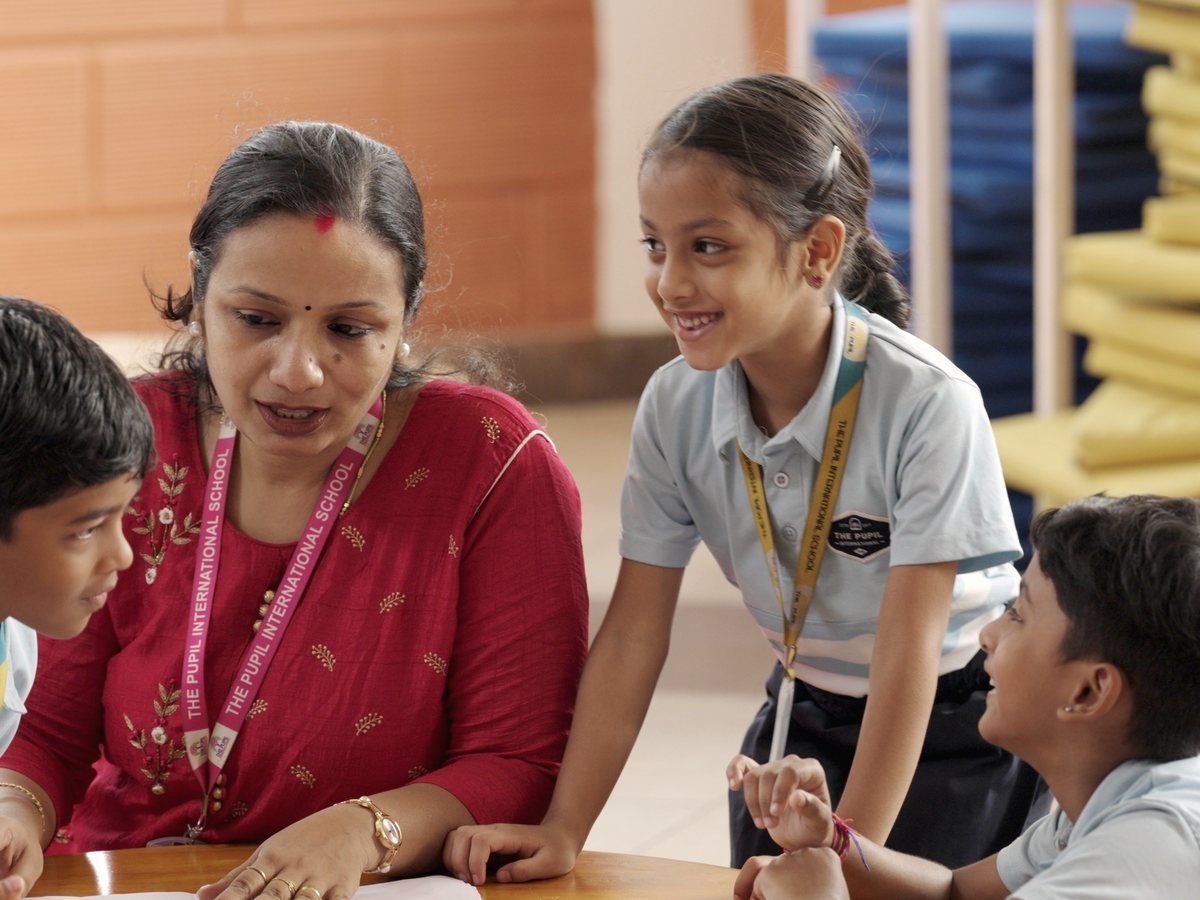
EPIC is not simply working at different speeds. Teachers help students recognise a need, choose useful work, seek support and reflect on the result.
Notice
A child and teacher look at the work: what is understood, and what needs attention?
Plan
Within shared commitments, the child helps choose a task, resource, person or place.
Try
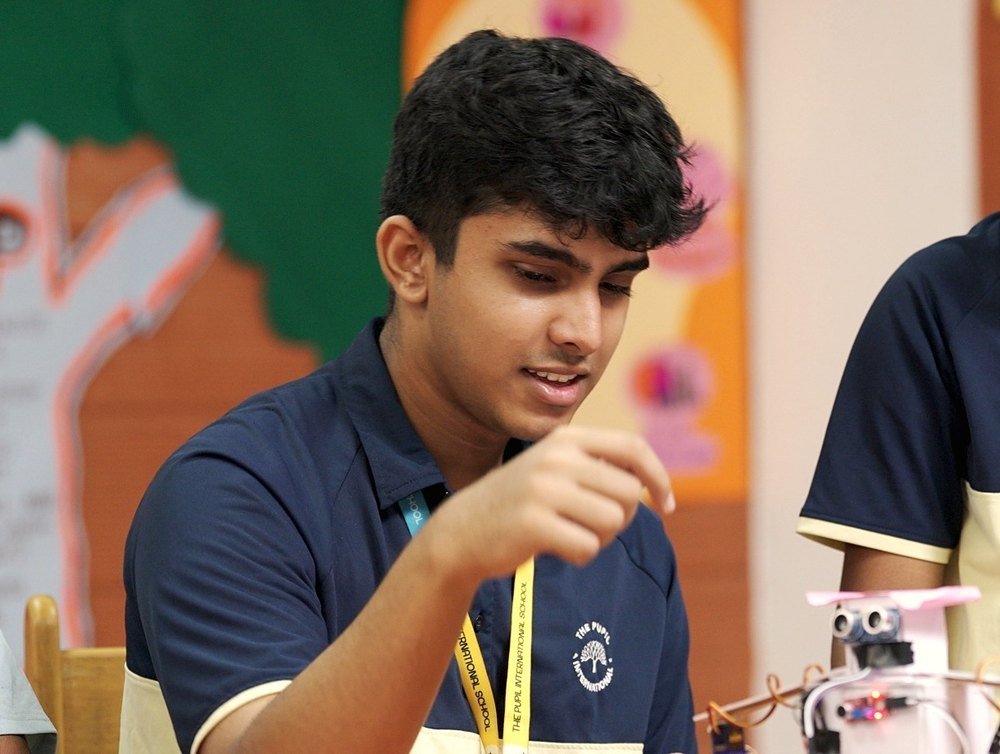
A workshop, a peer, an older pupil, a book or independent practice supports the next attempt.

Reflect
The child looks at what changed, describes what helped and identifies another useful next step.
Illustrative sequence using school photographs, not a documented journey of one child. Replace with a school-confirmed student story and actual work before presenting it as evidence.
People and places
Independent does not mean
learning alone.
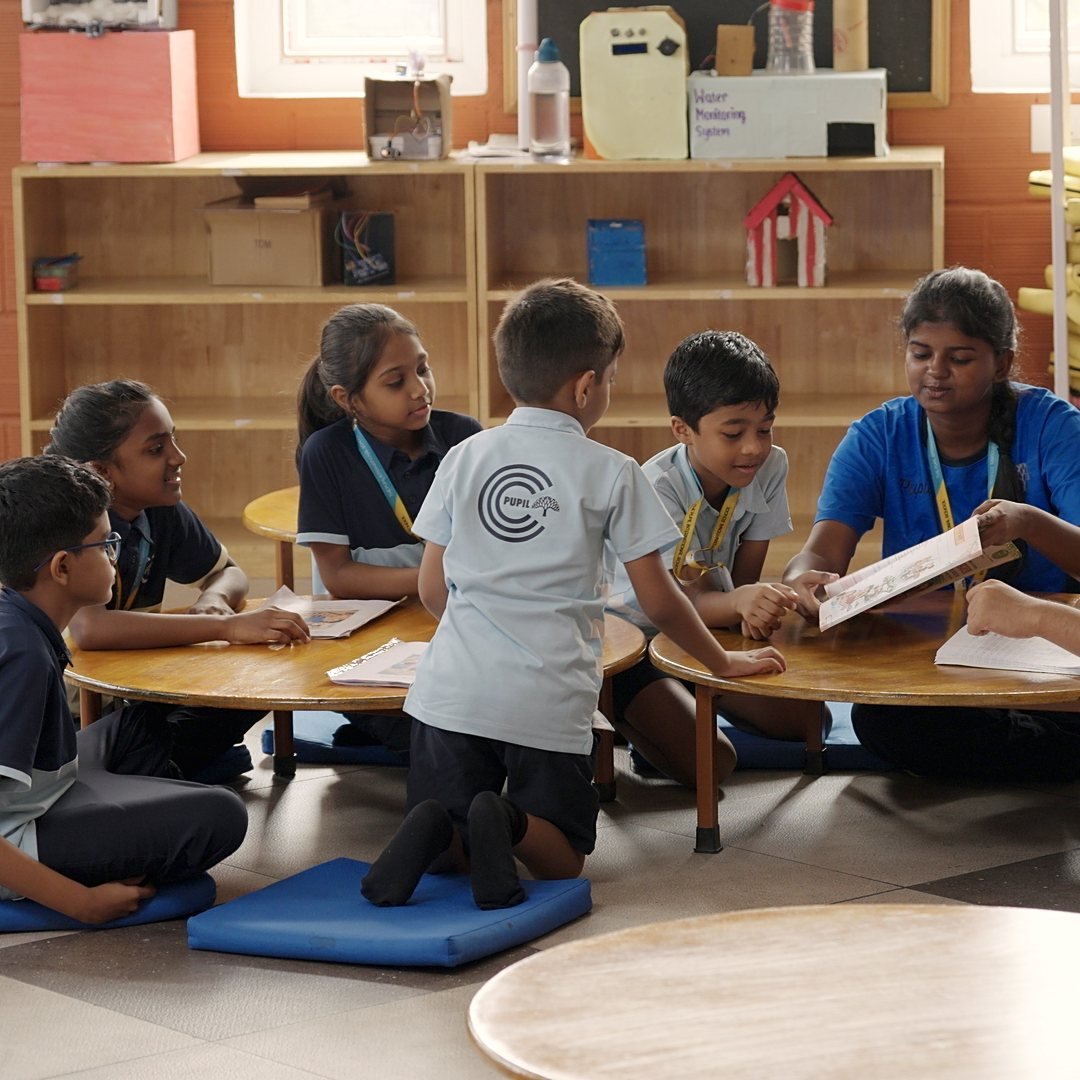
Children learn from teachers, older students, peers and their own practice. The setting changes with the task, with guidance and support throughout.
With a teacher.
Small-group workshops and individual follow-up help children take their next step.
With other learners.
Working with peers and older students opens up different ways of understanding.
With room to focus.
Quiet spaces, shared tables and outdoor areas support different kinds of work.
 PROPOSED CLASSROOM · NEW CAMPUS
Architectural design visualisation. The final campus layout and finishes may change.
06 / THE NEW CAMPUS
Spaces designed around
how children learn.
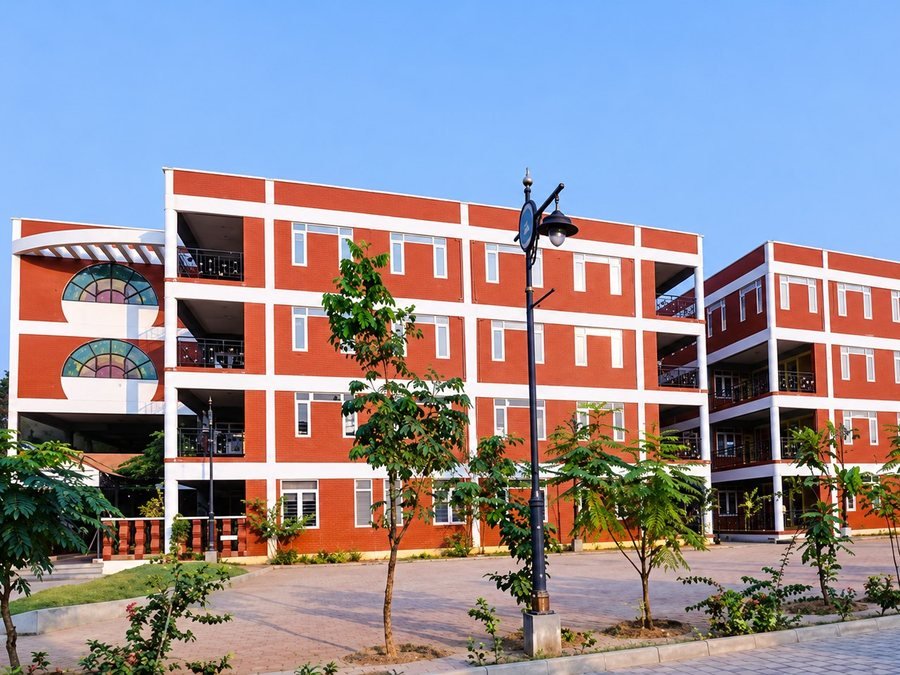
At the planned campus on Poonamallee High Road, classrooms are being designed for movement between shared discovery, discussion, independent focus and practical work. Curved tables, flexible seats and places to pause support different ways of learning.
The design brings EPIC’s approach to life through the environment. Teachers will continue to guide how spaces are used and help each child choose what supports their next task.
07 / PEOPLE AND SPACES
A place for every
kind of learning.
Drawing on David Thornburg’s learning metaphors, The Pupil is planning spaces where students can listen, discuss, think quietly and apply ideas.
Listen
Learn from a teacher or an expert, ask questions and build shared understanding.
Discuss
Compare approaches with peers and learn through conversation.
Reflect
Read, think, revise and work independently when a task needs quiet attention.
Apply
Make, test, practise and connect ideas to meaningful work.
These are learning needs, not labels for dedicated rooms. Details of the proposed campus are subject to school confirmation.
Outcomes
What growth looks like.
Video stories coming soon.

Exercises choice
Video coming soon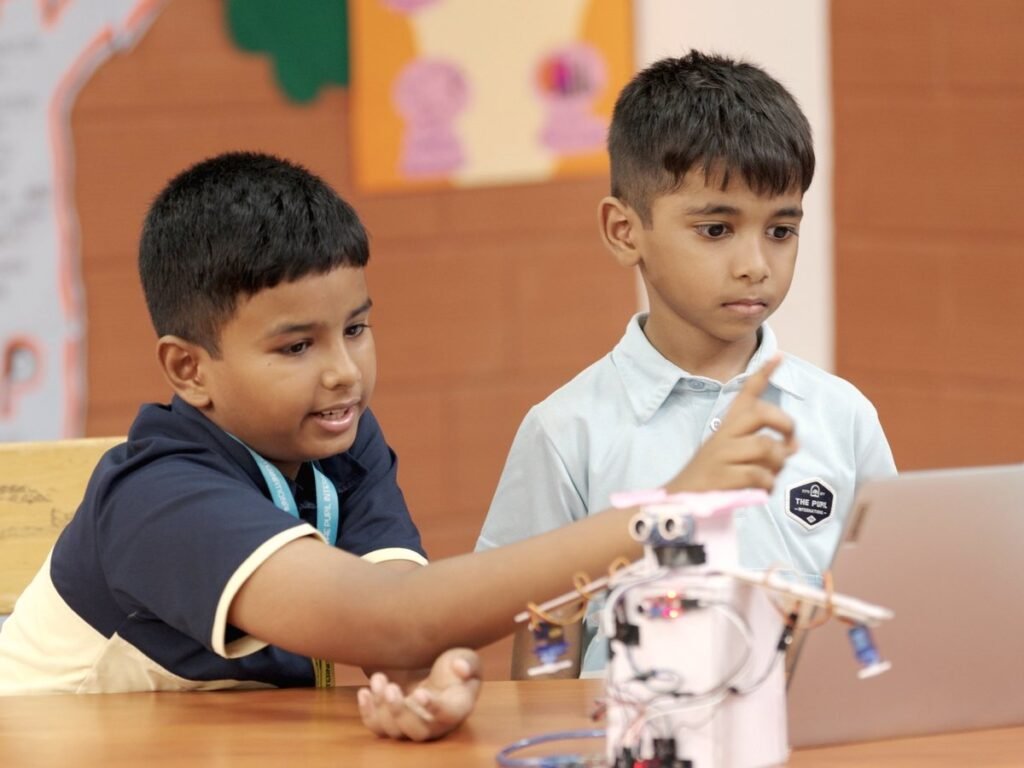
Learning with others
Video coming soon
Independent learning
Video coming soon
Where EPIC began
“In New Zealand I met a child in Form 4 who could do calculus.”
If a child is ready for that, the school should let them go further. Another child may be in Form 8 and need Form 4 maths. We stay with that child until the basics are right. And the same child can be at different levels in different subjects. So we look at each subject: what does this child understand, where do they need help, what are they ready for next?
What EPIC is,
and is not.
Parents ask sharp questions. These are the ones we hear most.
Talk to admissions
Is EPIC a gifted programme?
Is it open schooling, with no structure?
Will my child still sit the IB exams?
What if a child chooses badly?
How do I see my child’s progress?
 Our campus · Chennai
Start with
a conversation.
Leave your details and our admissions team will call you, answer your questions and help you plan a visit.
Admissions · IB Continuum School, Chennai
Start with a conversation.
Tell us a little about your child. We’ll use your details to respond to your enquiry and help you plan a visit.