
Primary Years · Ages 6–11
Primary Years that build strong foundations for big futures.
At The Pupil (Forms 1–5), learning brings together the IB Primary Years Programme’s inquiry-based, transdisciplinary framework and EPIC, our own approach to each child’s progress.
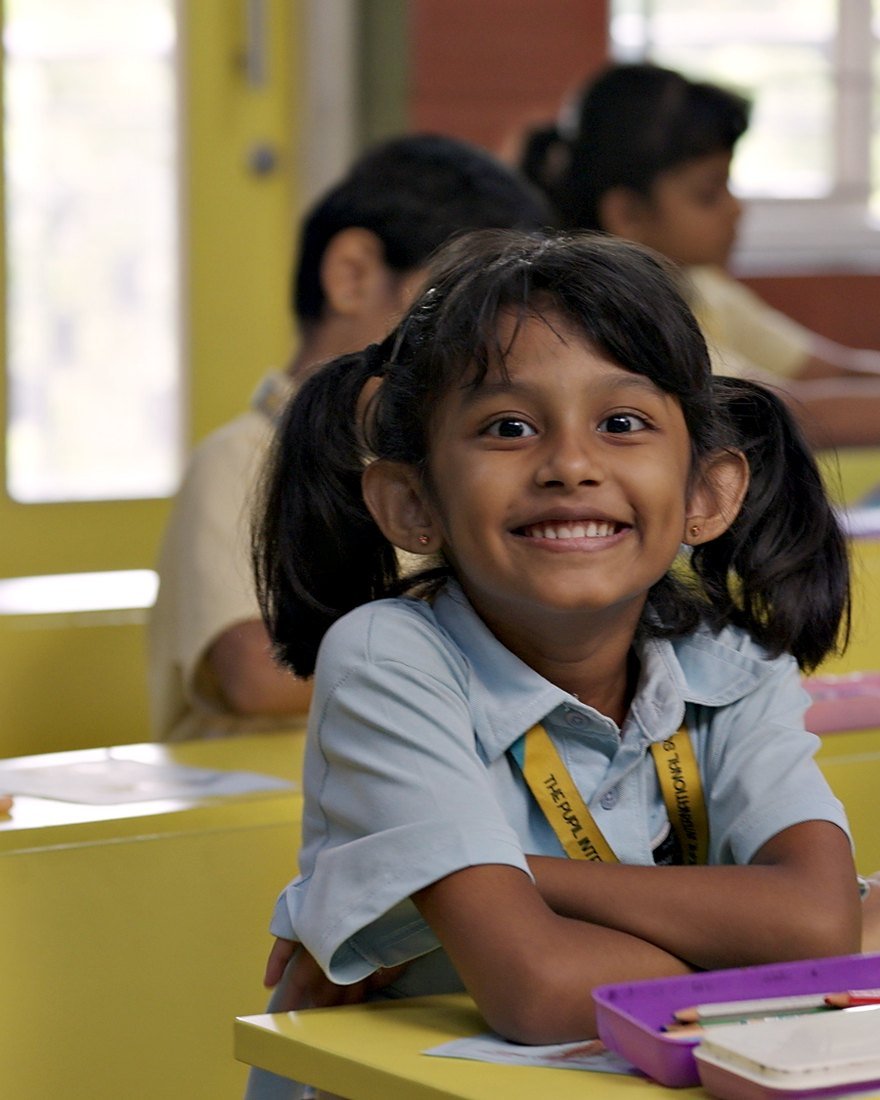
Our Primary Years Programme takes children from Form 1 to Form 5, ages 6 to 11. Guided by the IB Primary Years Programme, children build strong foundations in reading, writing and maths, and learn to ask questions, find answers and connect what they learn to the world around them.
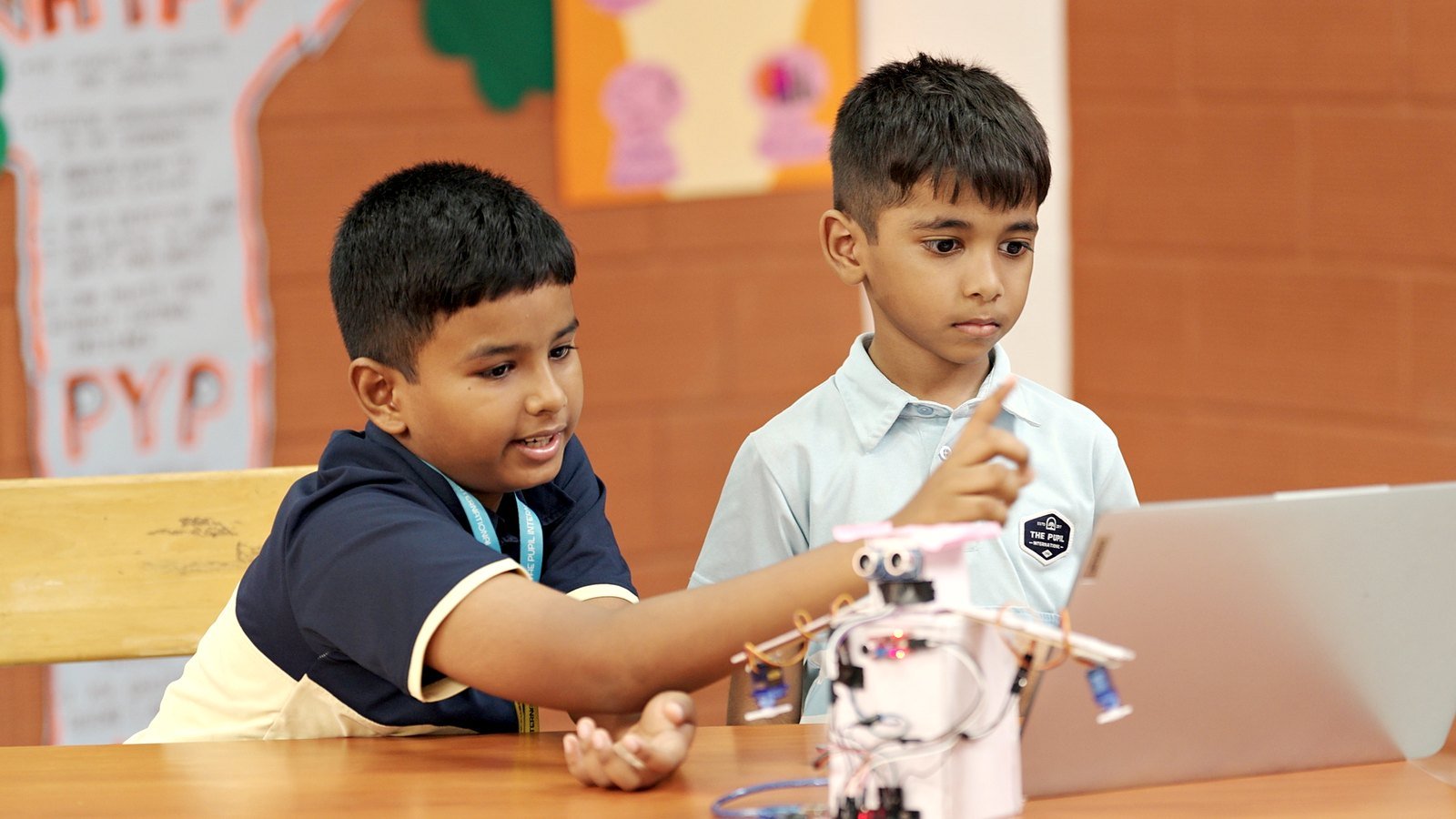
What makes it different
Learning they put
to real use.
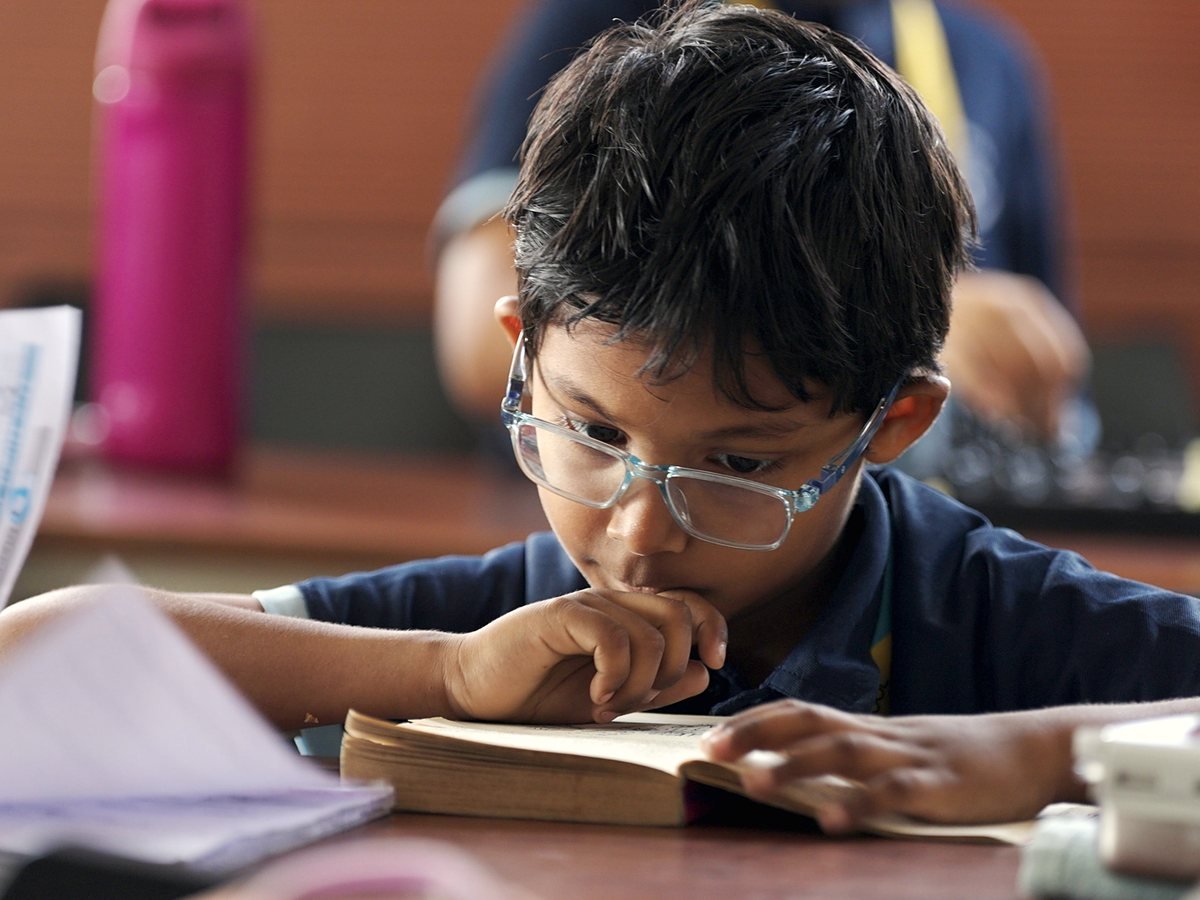
LanguageReading the world around them
Children read every day, write for people who will really read it, and share their ideas out loud with confidence.

MathematicsMaths they can use
Number, shape and data come alive through games, puzzles and real problems, like a game of chess or measuring for a project.
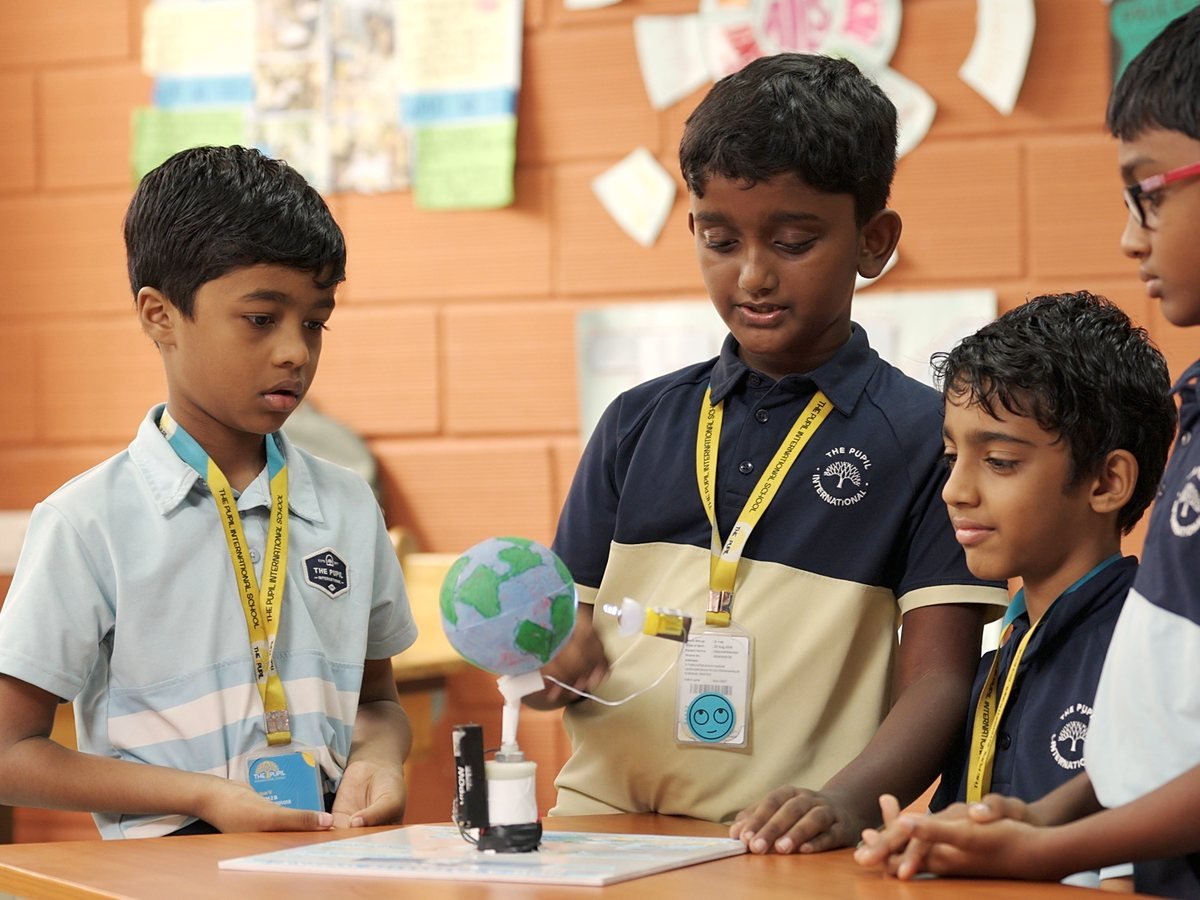
ScienceAsking how things work
Children make predictions, test them and explain what they saw, from how plants grow to how the Earth moves around the Sun.
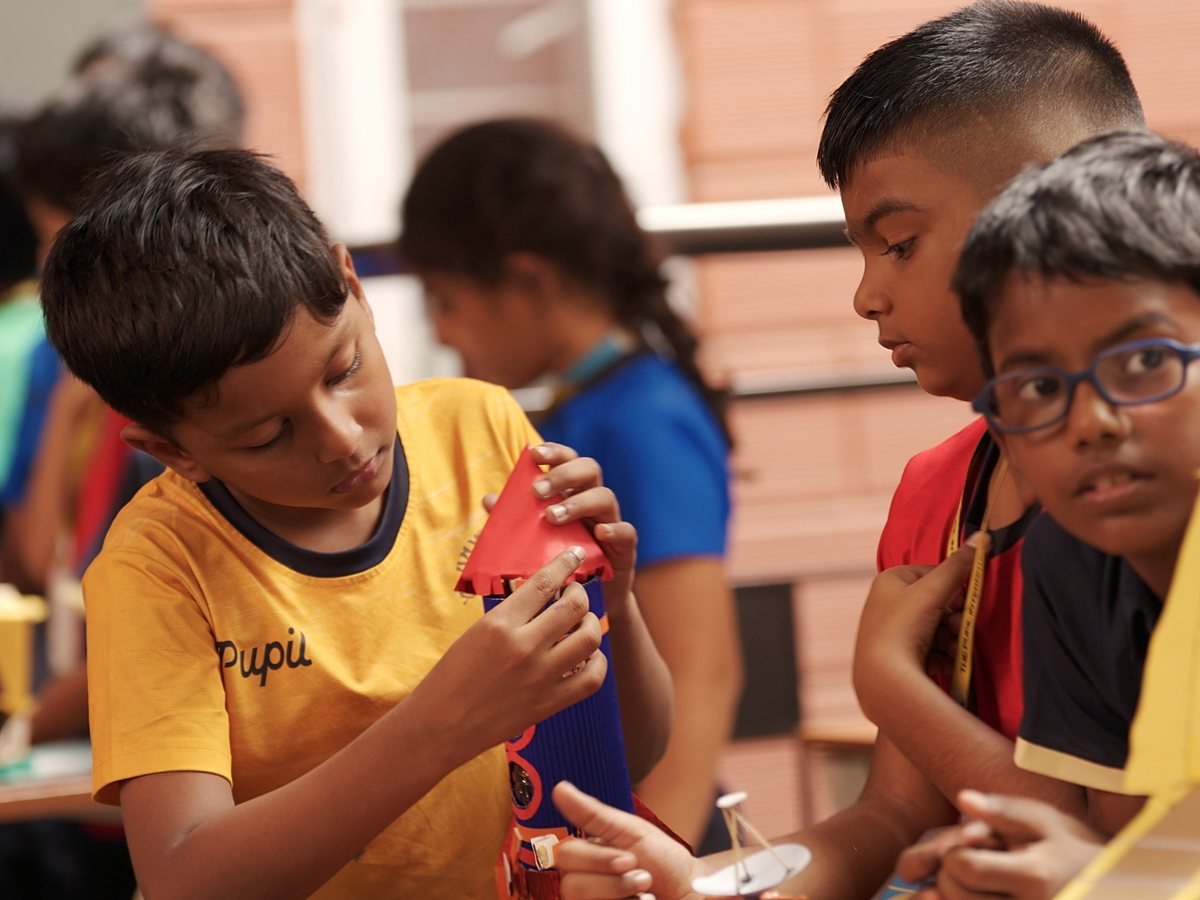
Social studiesUnderstanding their community
Children learn about people, places and the past, starting with their own neighbourhood and widening out to the world.
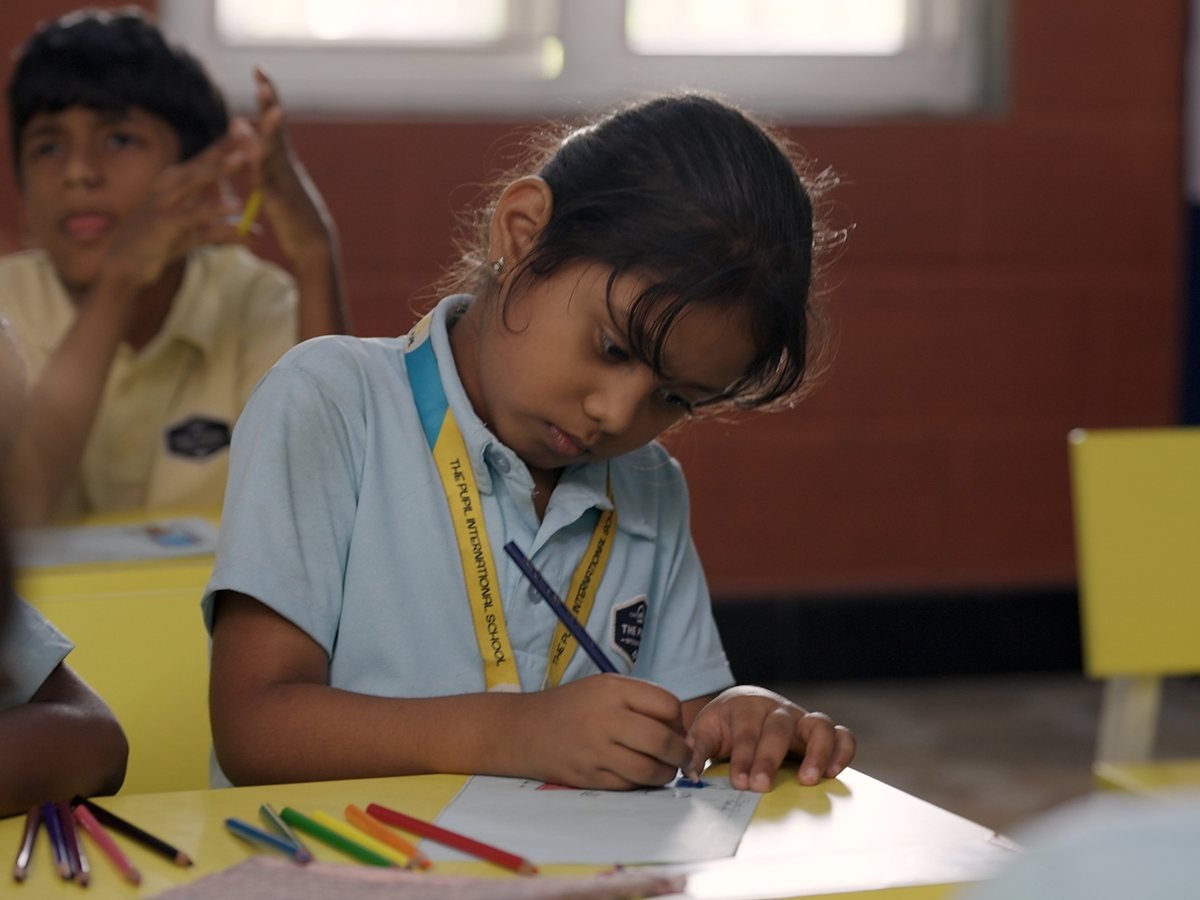
ArtsIdeas made visible
Drawing, music and drama give children new ways to show what they think, feel and understand.
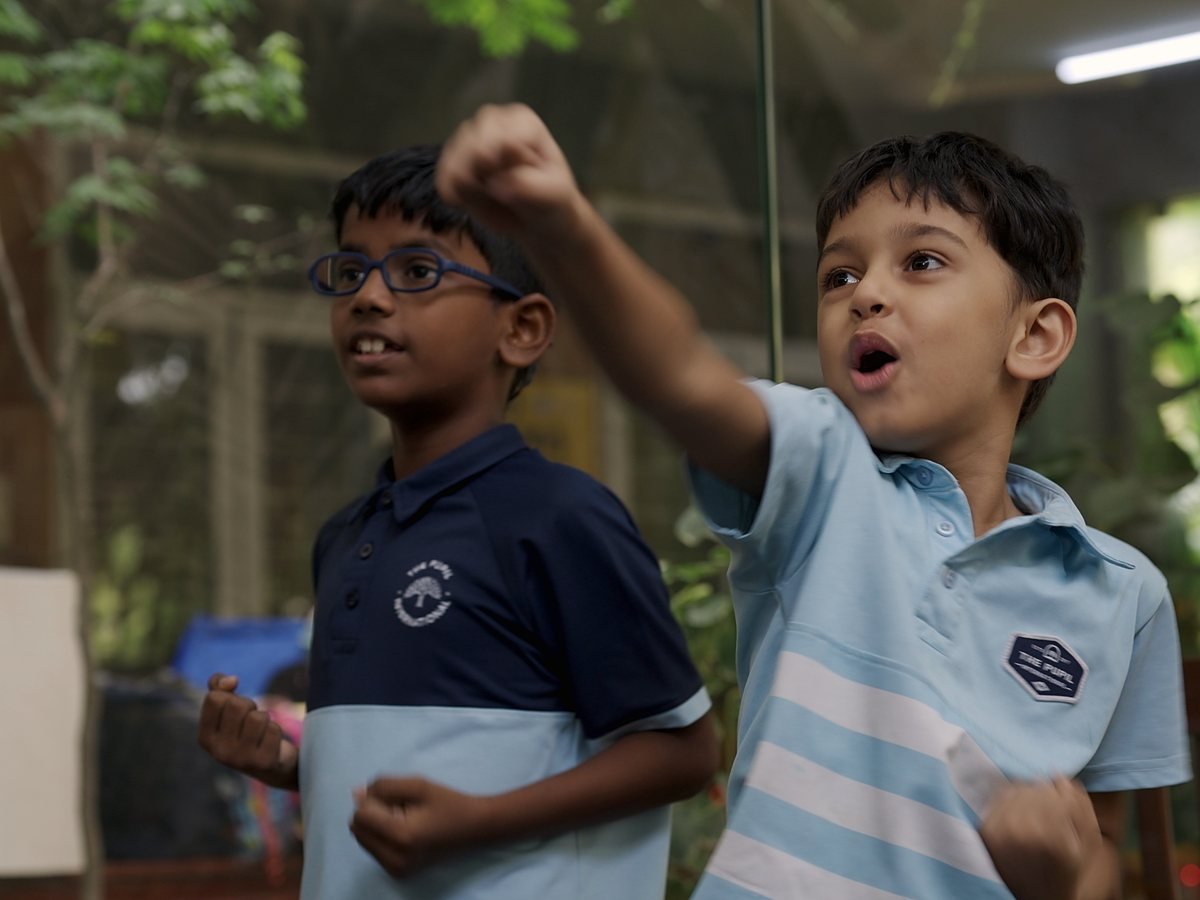
Physical, social and personal educationHealthy, kind and confident
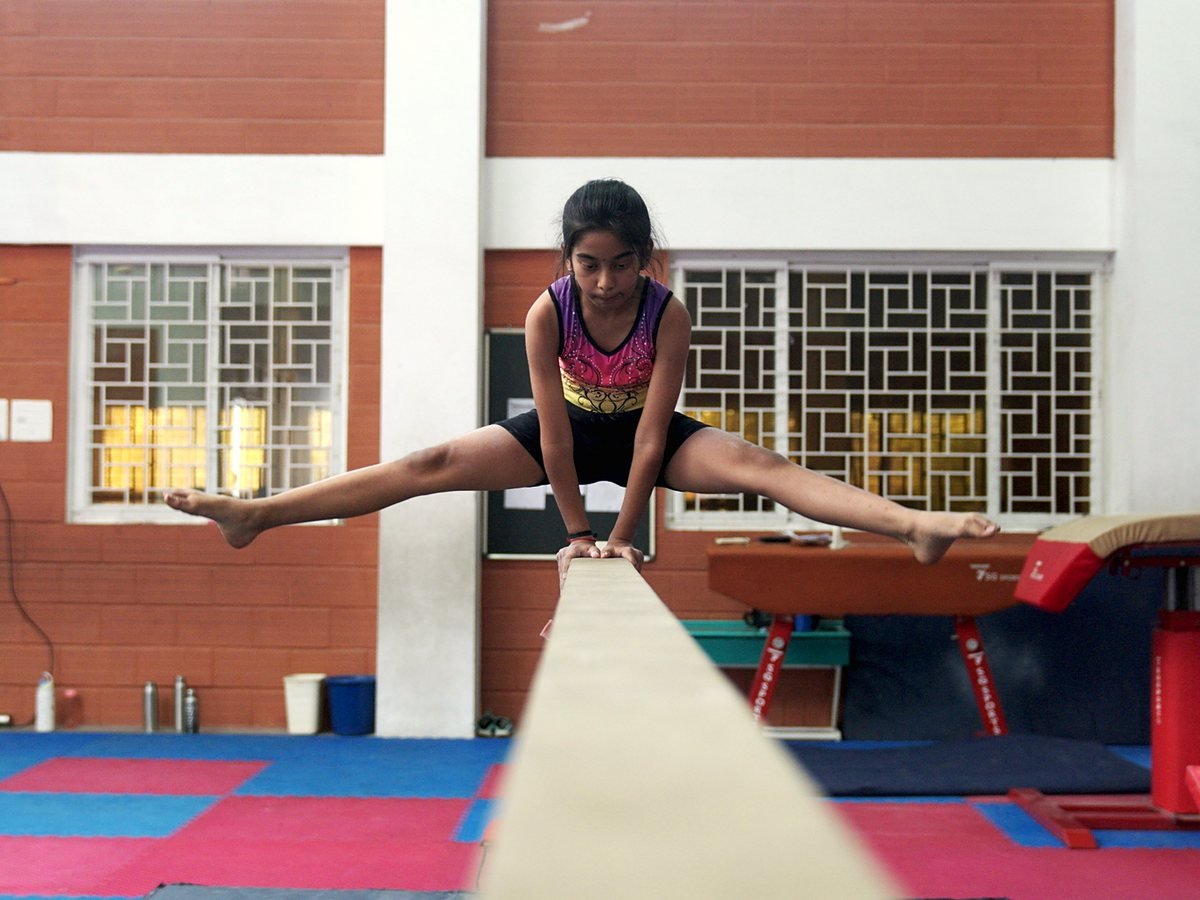
PE, games and teamwork build strong bodies, good friendships and the courage to try something new.
EPIC begins in the Primary Years
Their time. Their space.
Their way of learning.
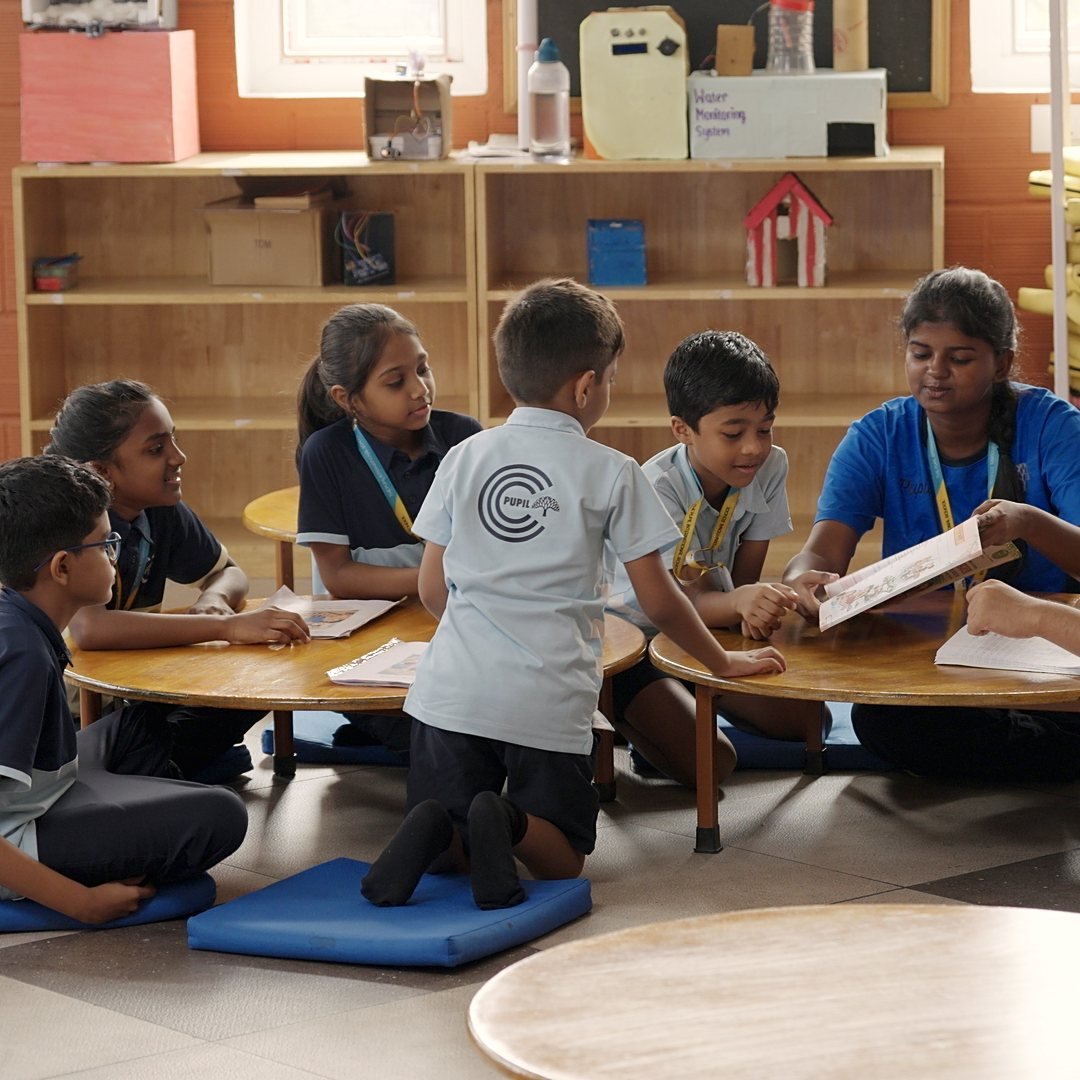
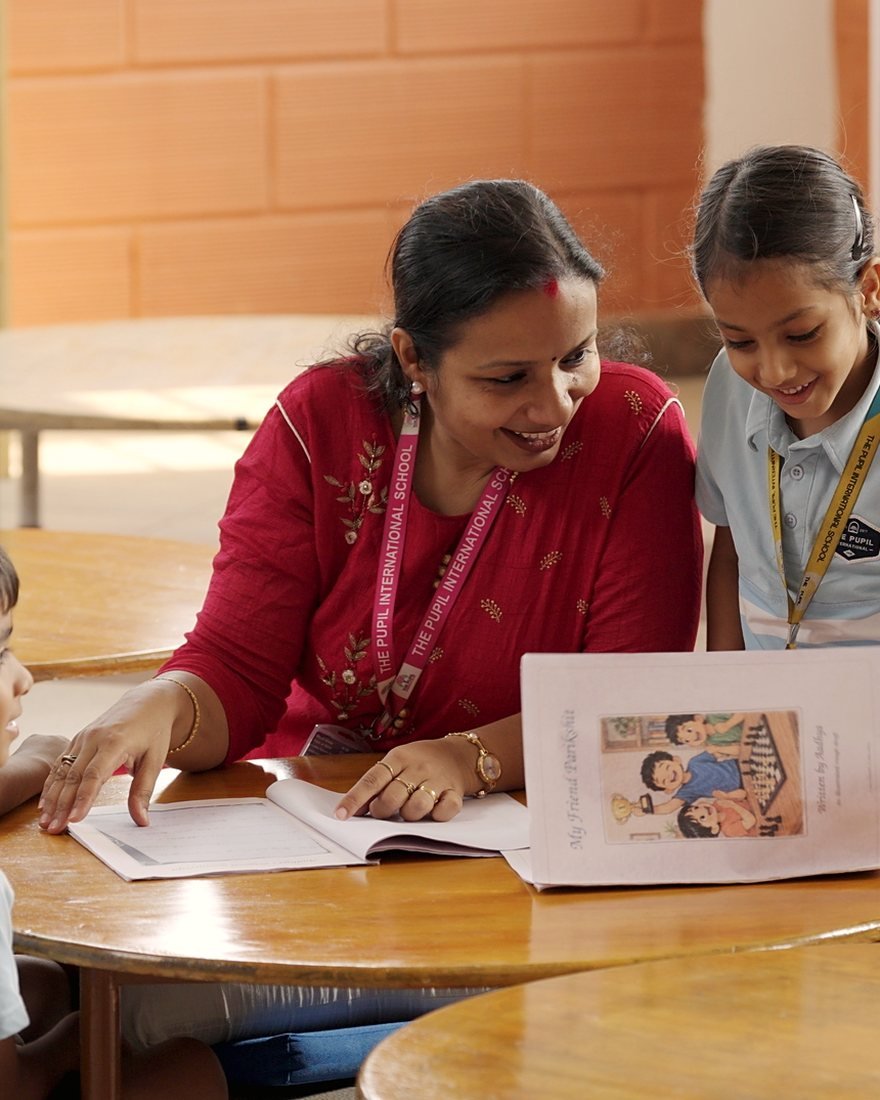
IB gives us the curriculum framework. EPIC is how we support each child within it. Children plan their independent learning time and choose how, where and with whom they learn, while clear goals and teacher guidance keep them moving forward.
Know myself.
What interests me? Where do I need help? Children learn to notice how they learn best.
Own my time.
Children decide how to use their independent learning periods, with clear goals for the week.
Choose my space.
A quiet corner, a shared table or a computer within reach. Children find a place that suits the work.
Find my next step.
Practise what still needs work. Move ahead when ready. Teachers guide every step.
How learning works
Questions lead
the way.
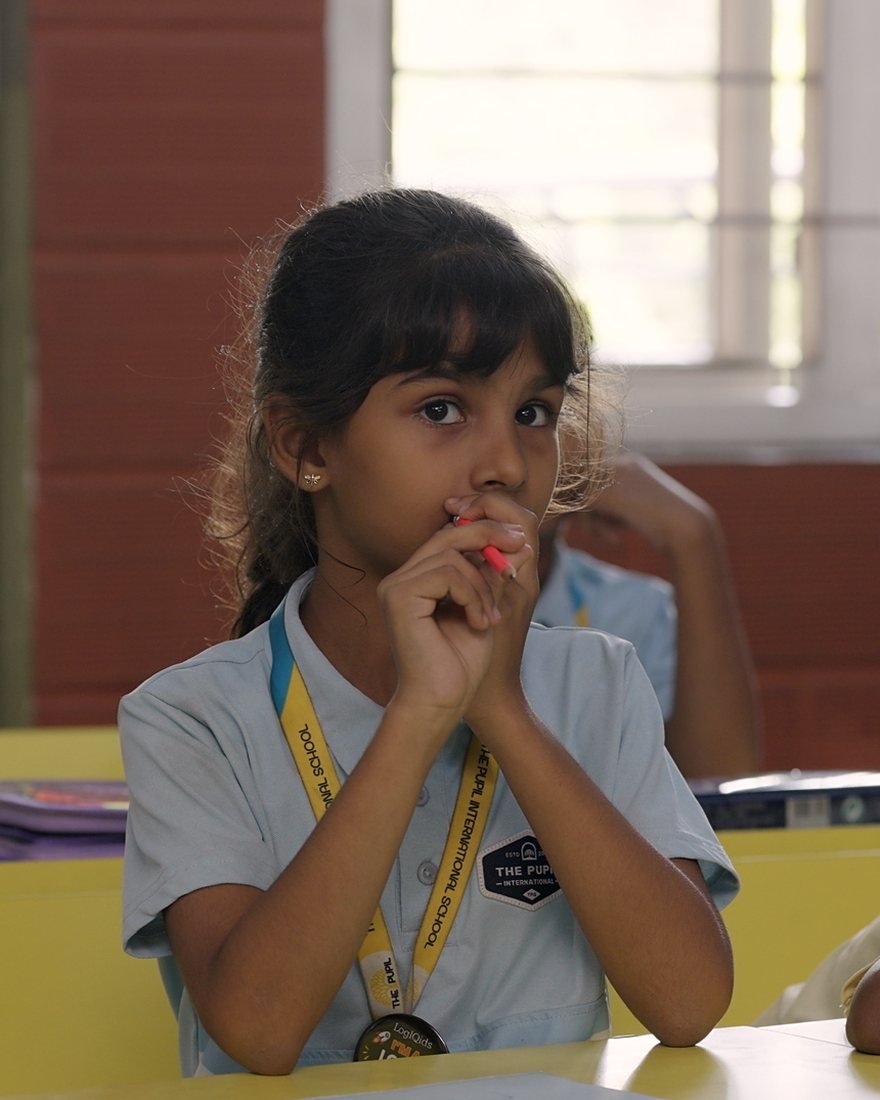
In the Primary Years, learning starts with a question. Each unit of inquiry runs for about six weeks and explores one big idea across subjects. Children use what they already know, investigate, try things out and reflect, then show what they have understood at the end of the unit.
Teachers give feedback all along the way, and your child’s work is kept in a ManageBac portfolio you can follow from home. In Form 5, children bring everything together in the PYP Exhibition, an inquiry they lead themselves.
The IB Primary Years Programme
How the PYP
fits together.
The IB draws the whole programme as one picture. Start at the centre and work out, ring by ring.
The learner profile
At the centre is your child, and the qualities we hope they grow into.
Agency, action and the Exhibition
Children have a voice in their learning and act on what they discover.
Six subject areas
Strong foundations in every subject, from language to physical education.
Six transdisciplinary themes
Big ideas that every unit of inquiry is built around.
International-mindedness
Respect for other cultures, languages and points of view.
Outcomes
What growth looks like.
Video stories coming soon.
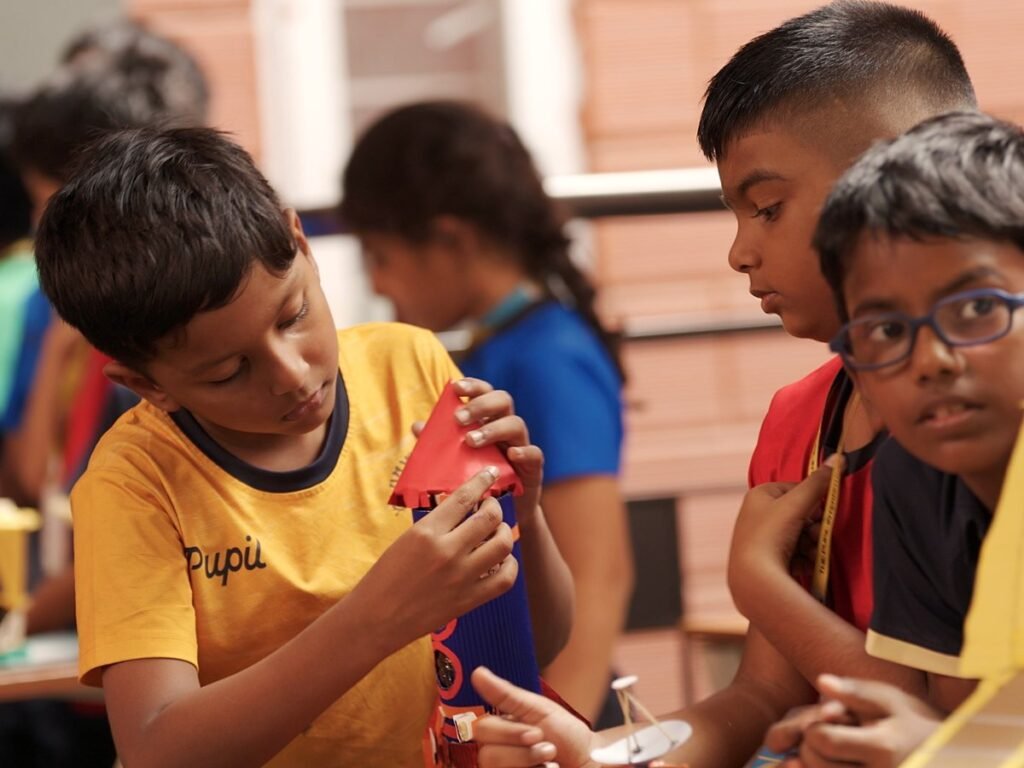
Exercises choice
Video coming soon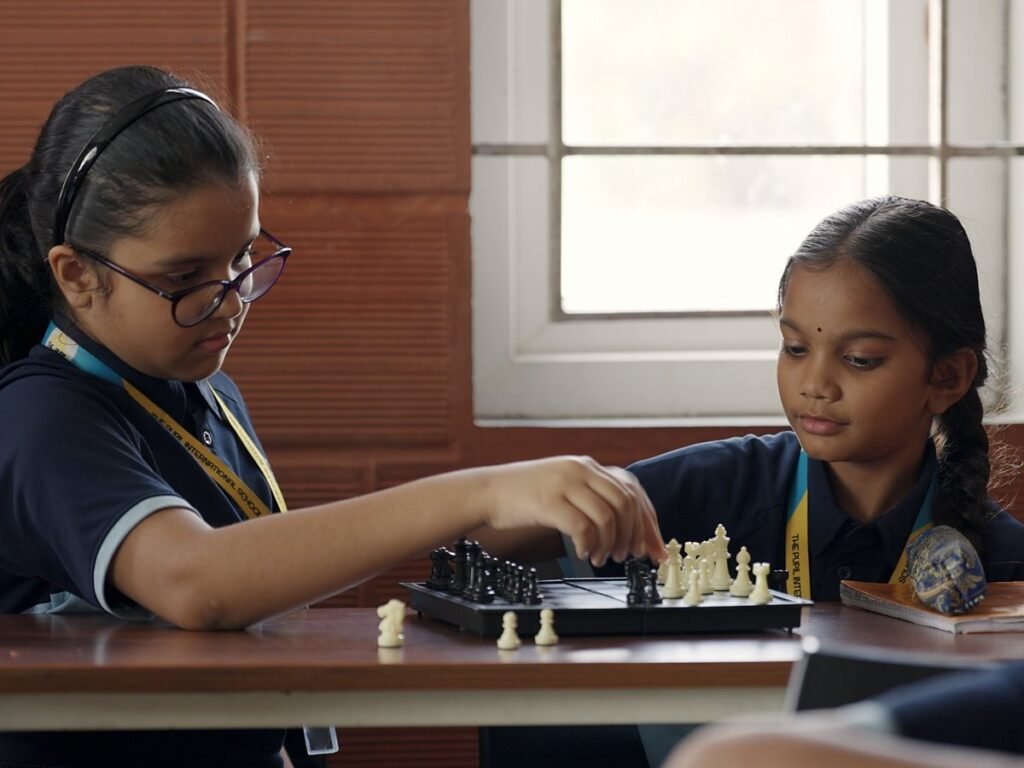
Curiosity in action
Video coming soon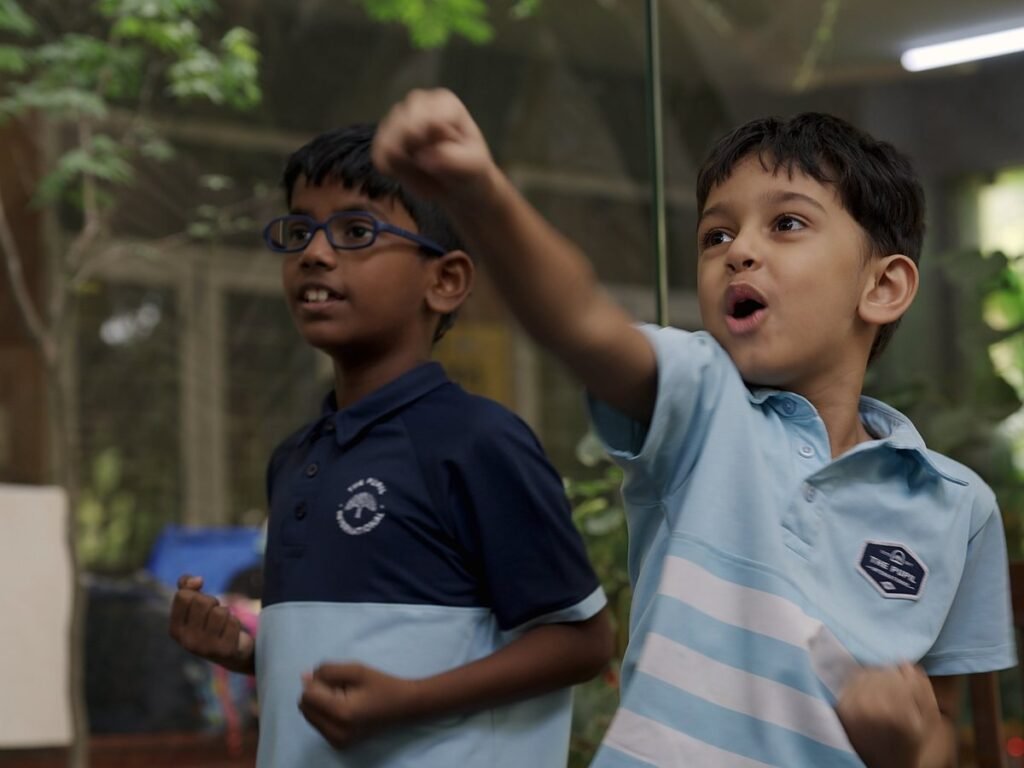
Growing together
Video coming soonOne learning journey
Explore the
other stages.
Early
Years
Explore Ages 3–6 · Step 1–3
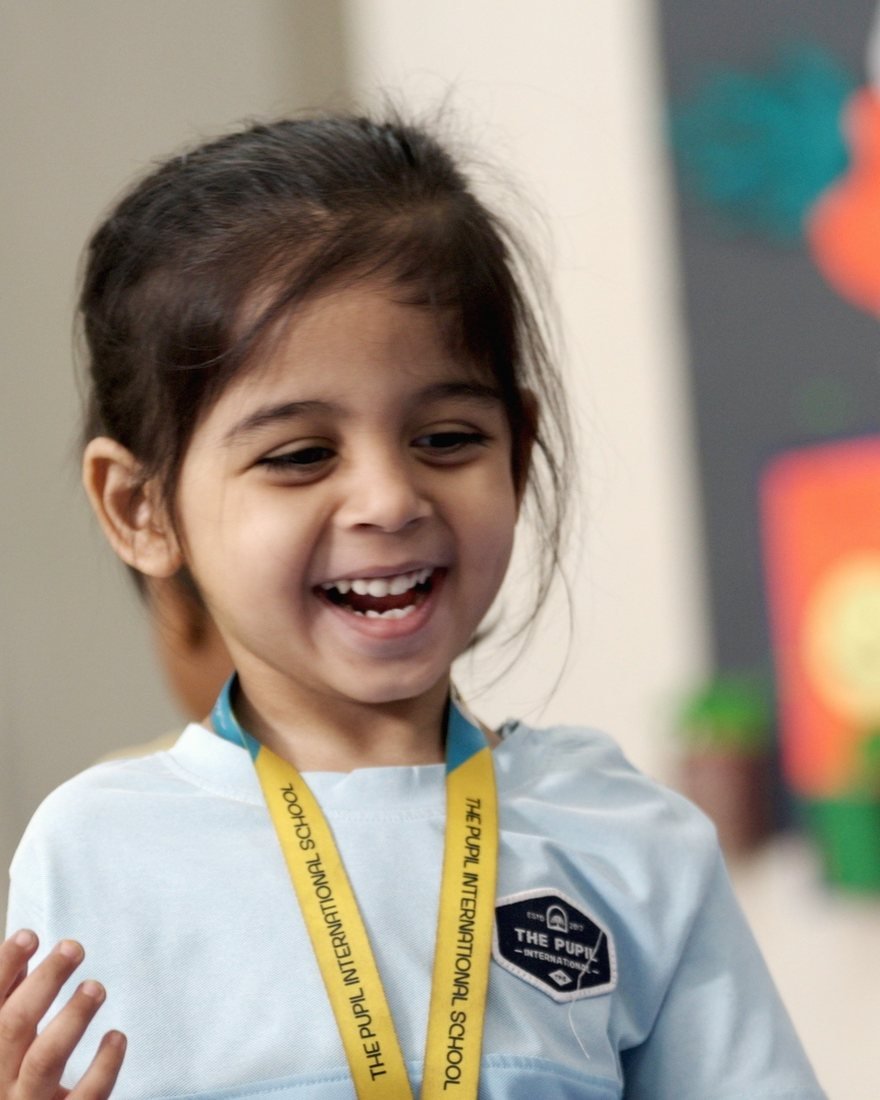
Where curiosity gets its first big questions. Children learn through purposeful play.
Middle
Years
Explore Forms 6–10 · IB MYP
Ideas meet the wider world. A time to think critically and find your perspective.

Diploma
Programme
Explore Forms 11–12 · IB DP
Go deeper into what matters to you. Prepare for university and the possibilities beyond.

Which forms are in the Primary Years?
What is a unit of inquiry?
What is EPIC?
How is my child assessed?
What is the PYP Exhibition?
My child is coming from CBSE or another board. Can they join?
How do we apply?
 Our campus · Chennai
Start with
a conversation.
Interested in learning more about The Pupil? Talk to our admissions team and plan a campus visit.
For a campus visit, please contact our admissions team. We’ll be happy to help you plan your visit.
Email admissions