
Life at The Pupil · Arts and Design
Unleash
your creativity.
Arts and design at The Pupil give every child the room to imagine, experiment and say something in a way that is entirely their own.
See their work


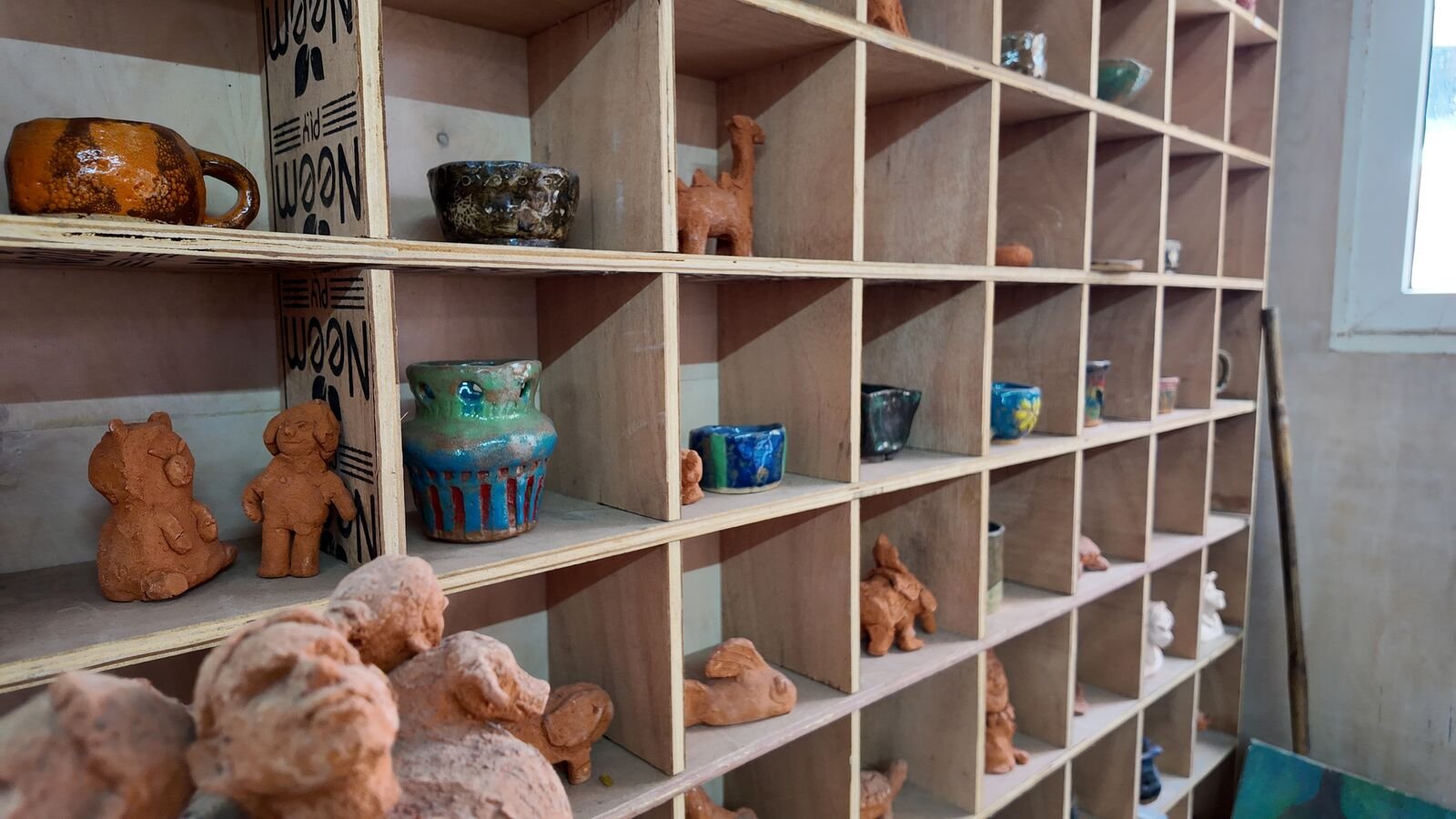
Every child has something to say. Some say it with a brush, some with ink, some with clay or wood. We give each of them the space, the tools and the time to find their voice.

How creativity grows here
Four ways
to create.
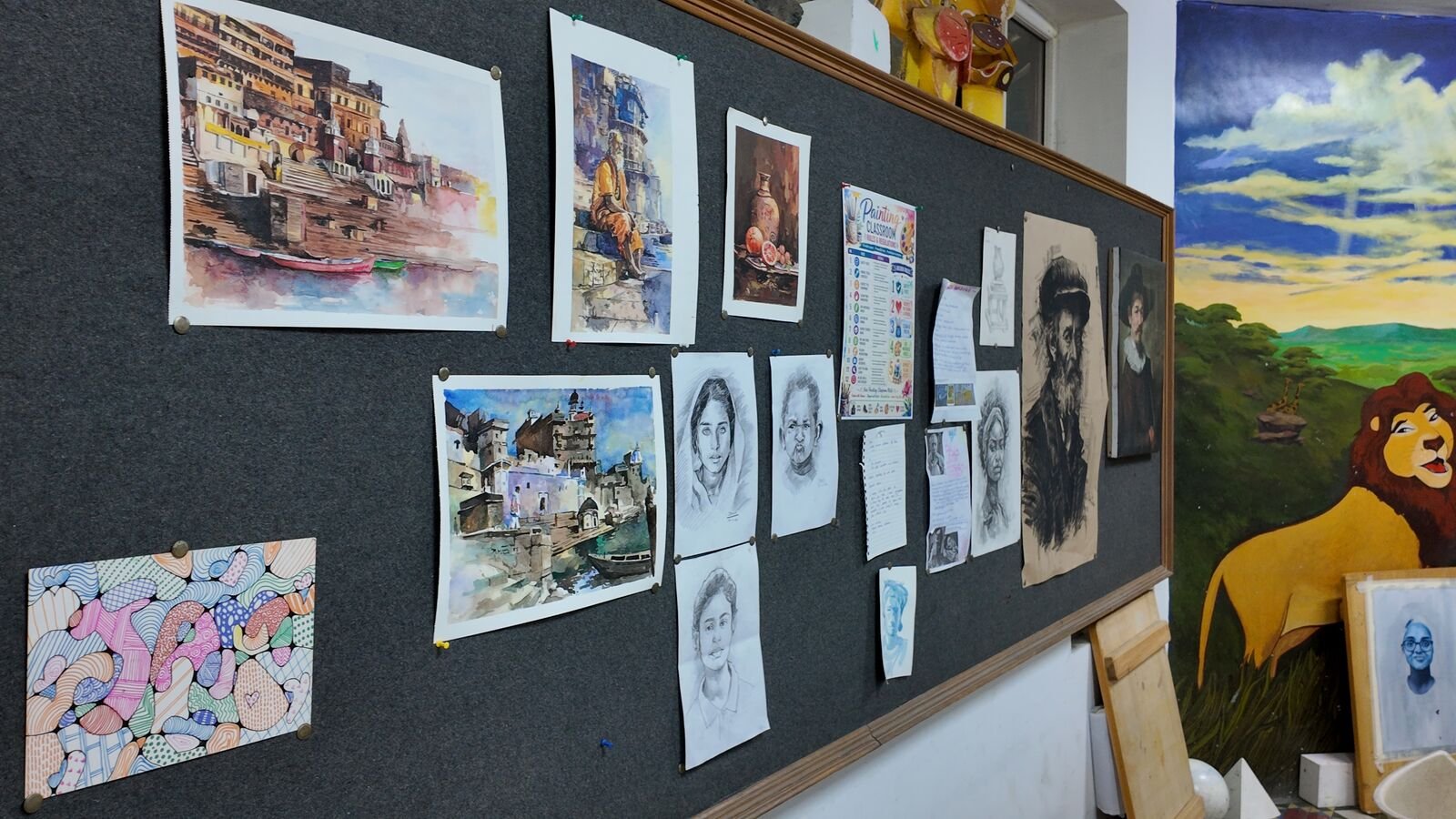
Imagine.
Drawing and painting teach children to look closely and put what they see and feel onto paper.

Experiment.
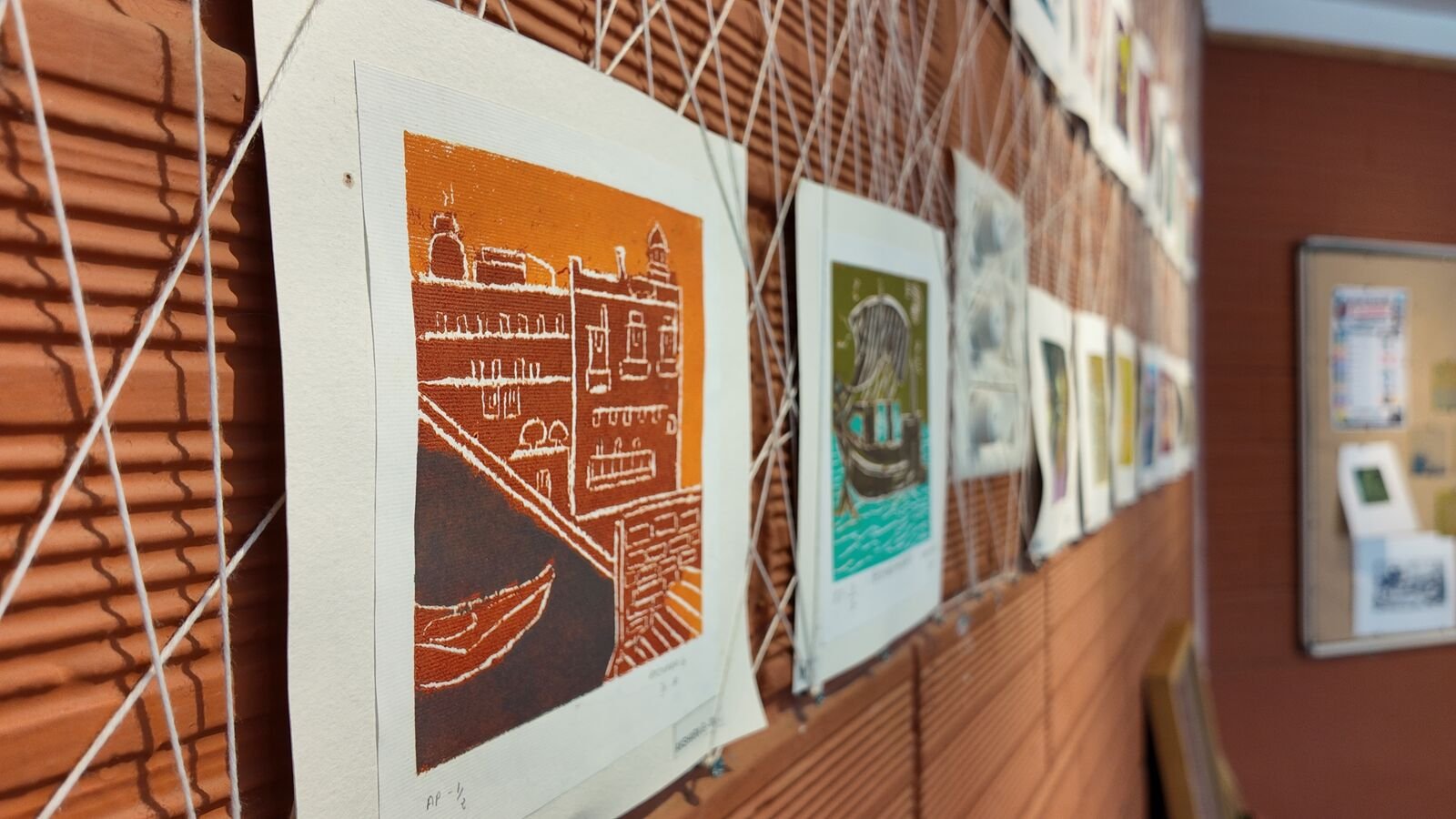
Print and fabric invite children to test colour, pattern and texture, and to welcome the surprises along the way.
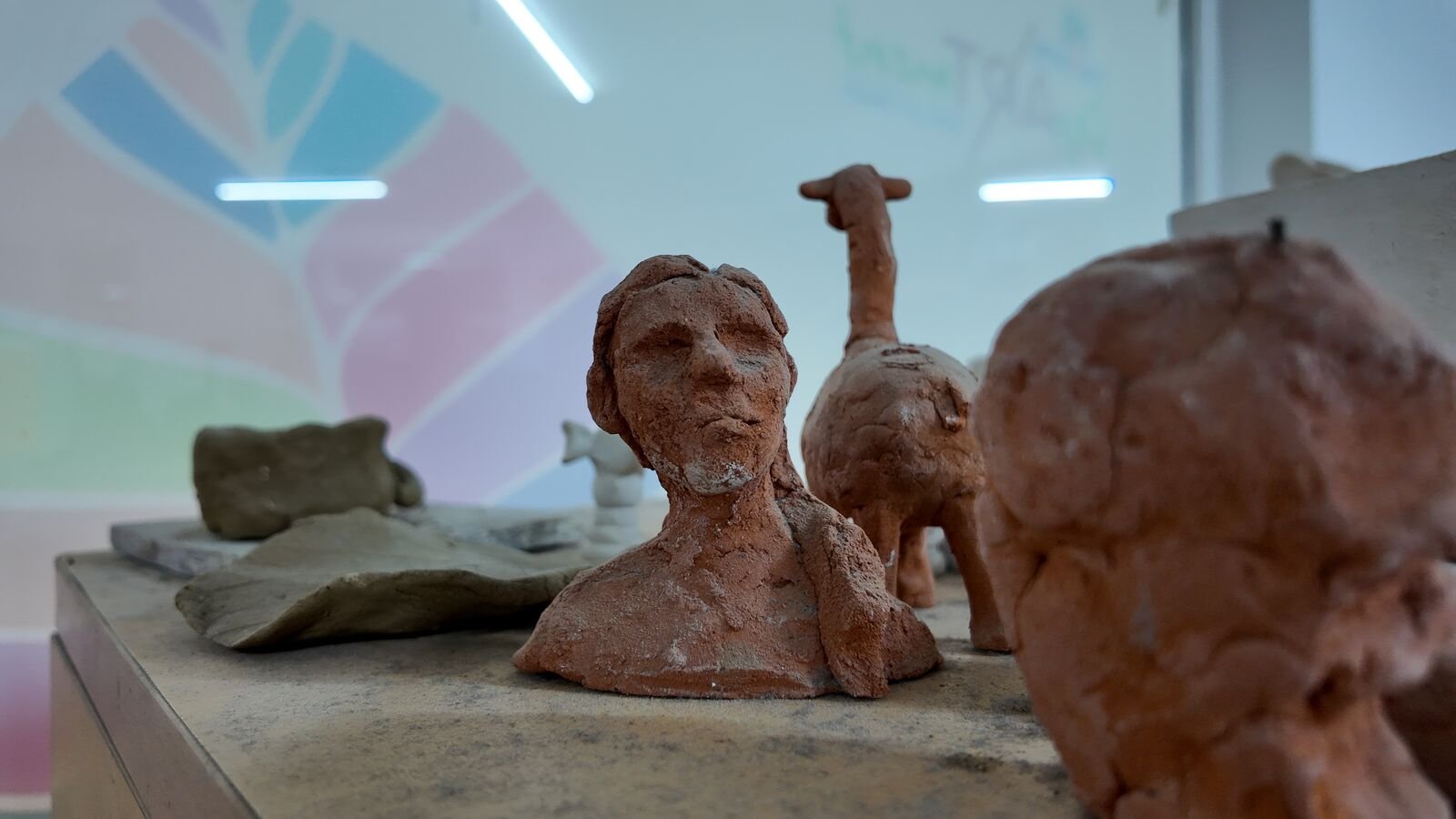
Shape.
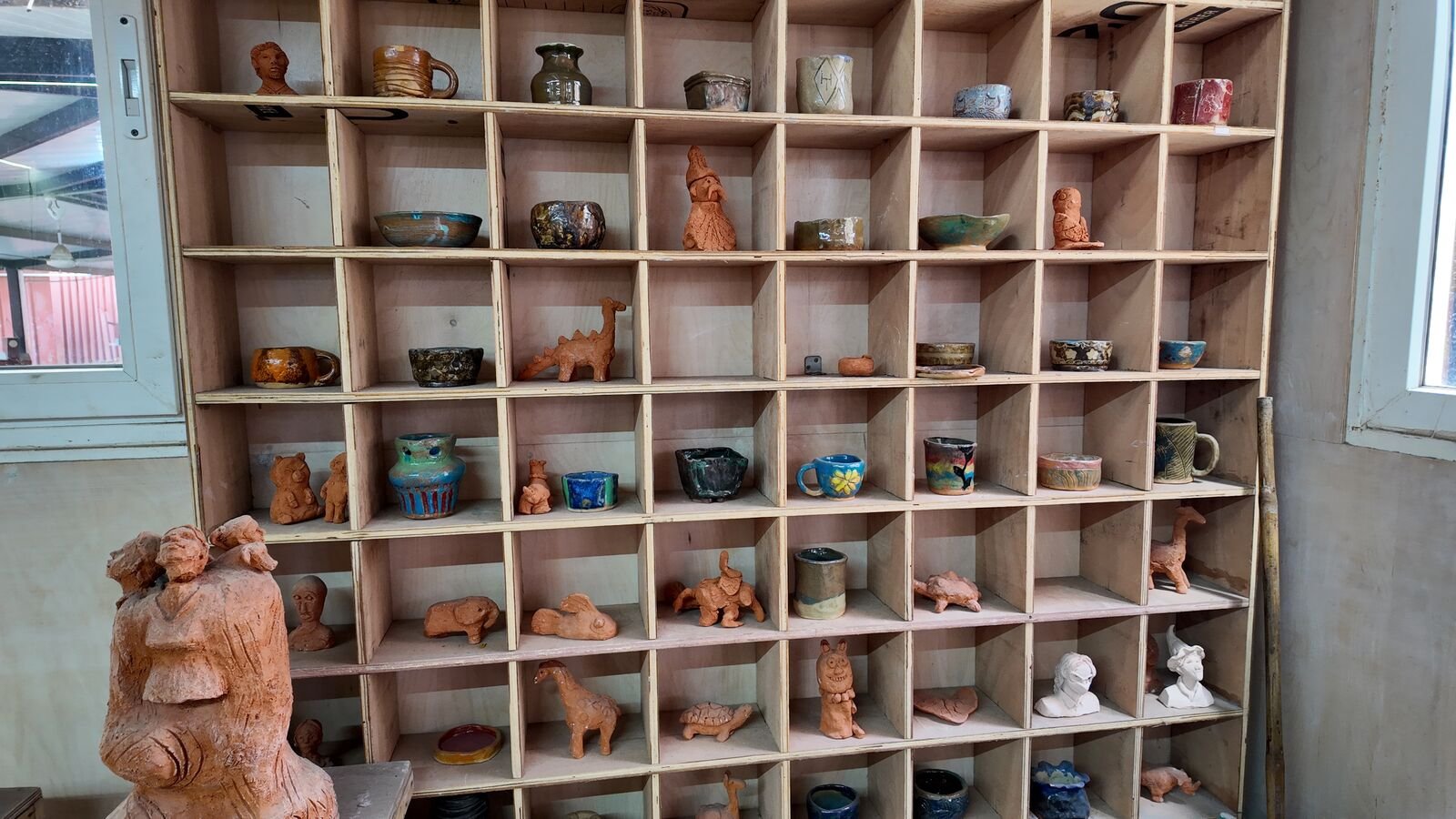
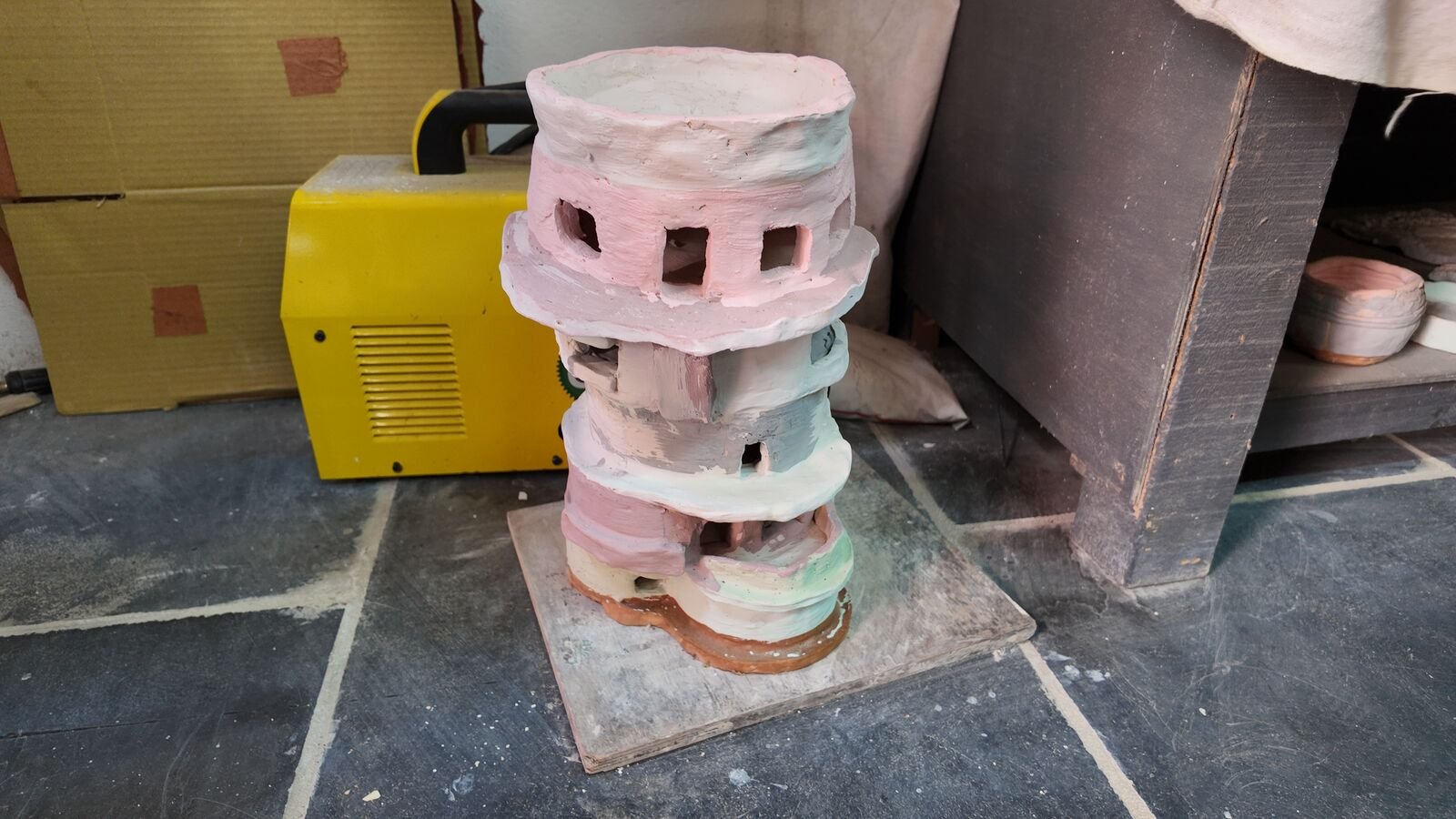
Clay rewards patience. Children turn an idea into something they can hold, then see the kiln make it last.
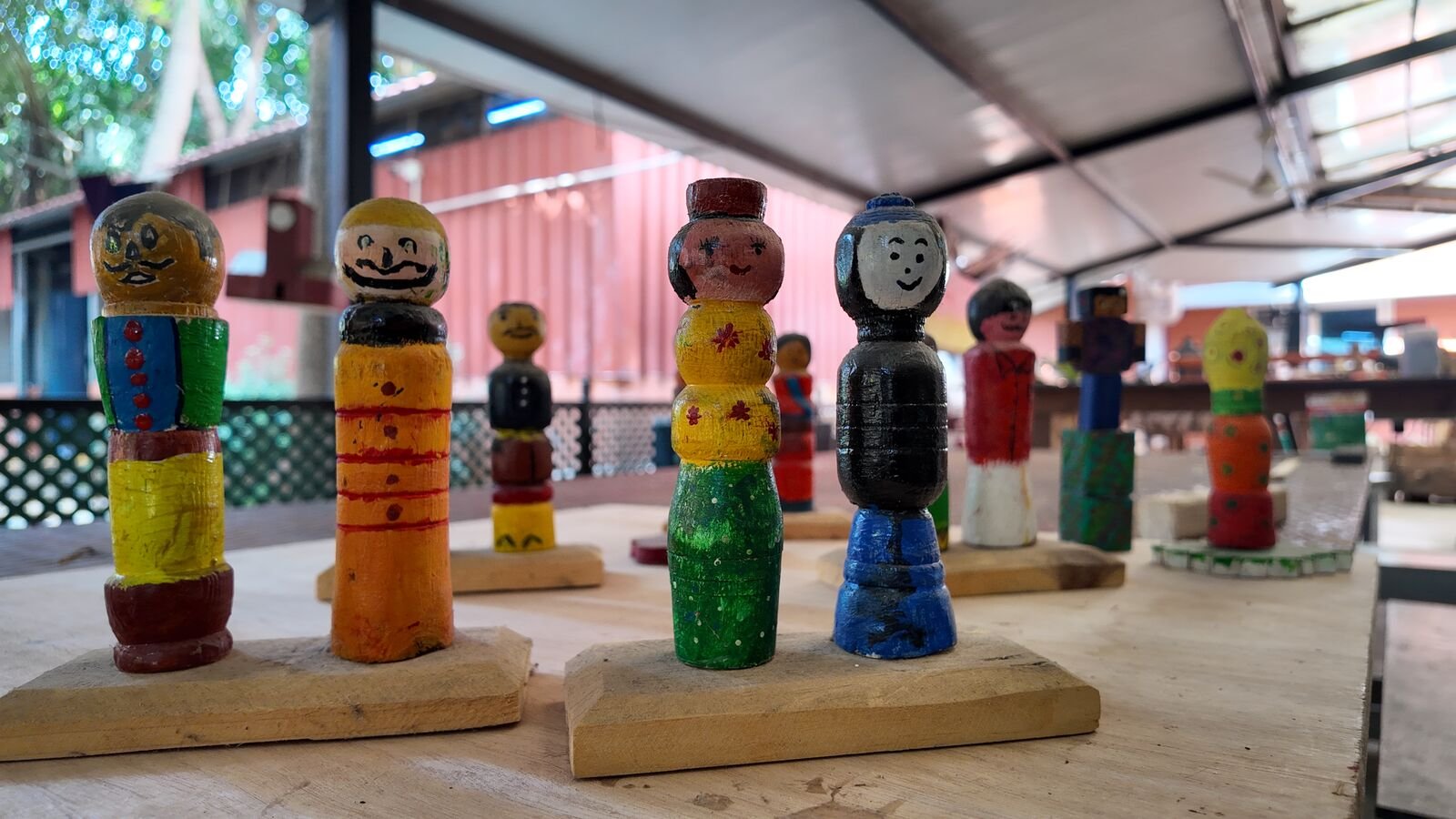
Build.
In carpentry and design, children plan, measure and make, solving real problems with their own hands.
It isn’t about making a masterpiece.
It’s about becoming brave enough to try.
Inside the studios
See them
create.
A moment from the visual arts studio at The Pupil.
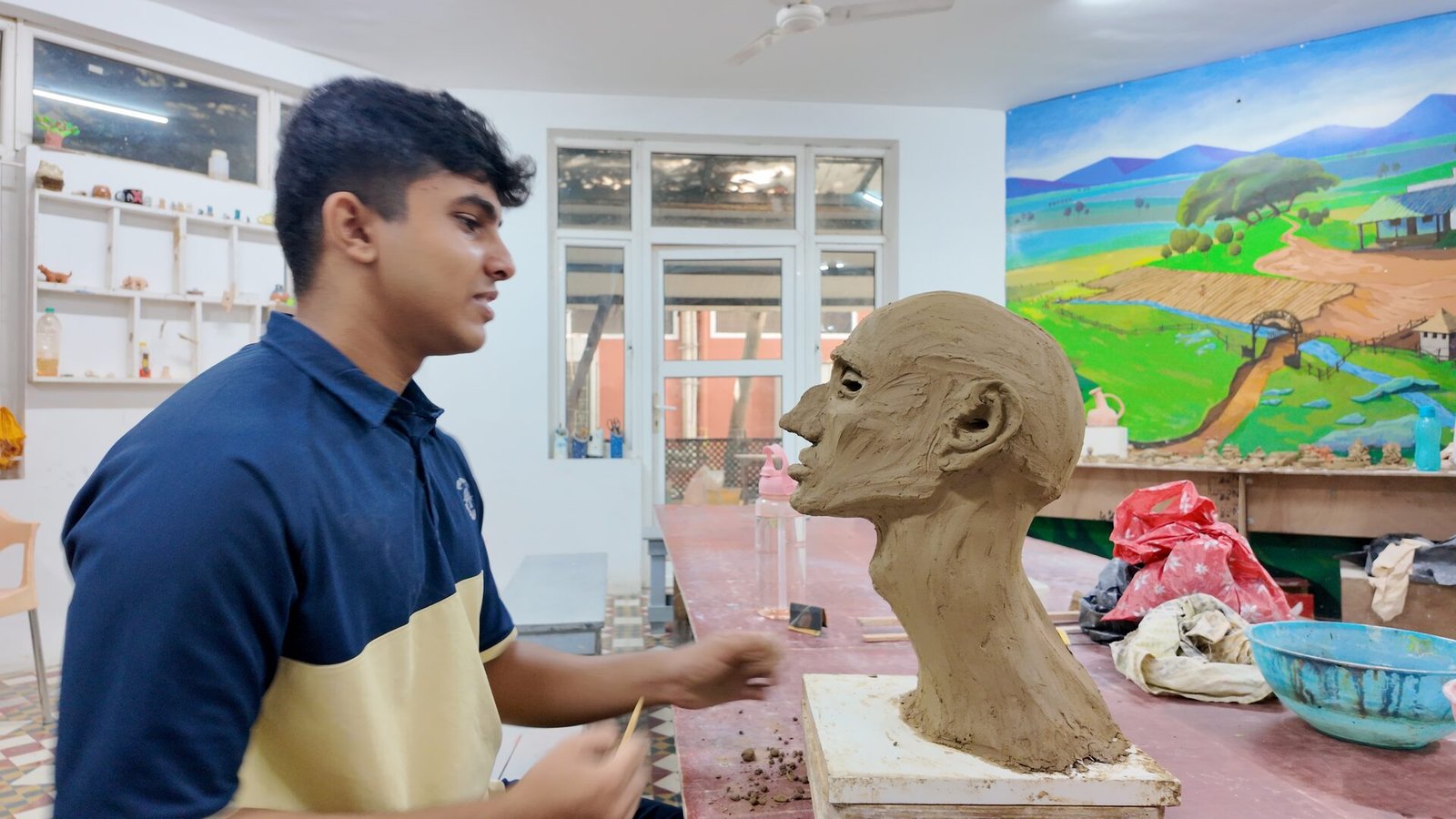 Visual Arts · The Pupil
Art meets every subject
Creativity that
grows with them.
Art is never a side subject here. It is one of the ways children explore ideas, connect what they learn and show what they understand.
- Early and Primary Years
Art as a way to inquire.
Children draw, paint, model and build to explore the big questions in their units of inquiry.
- Middle Years · Forms 6–10
Visual Arts and Design.
Both become subjects of their own, with projects that move from an idea to a finished, presented piece.
- Diploma · Forms 11–12
Visual Arts, SL or HL.
Students who want to go further can take Visual Arts at Standard or Higher Level.
Their work
Made by
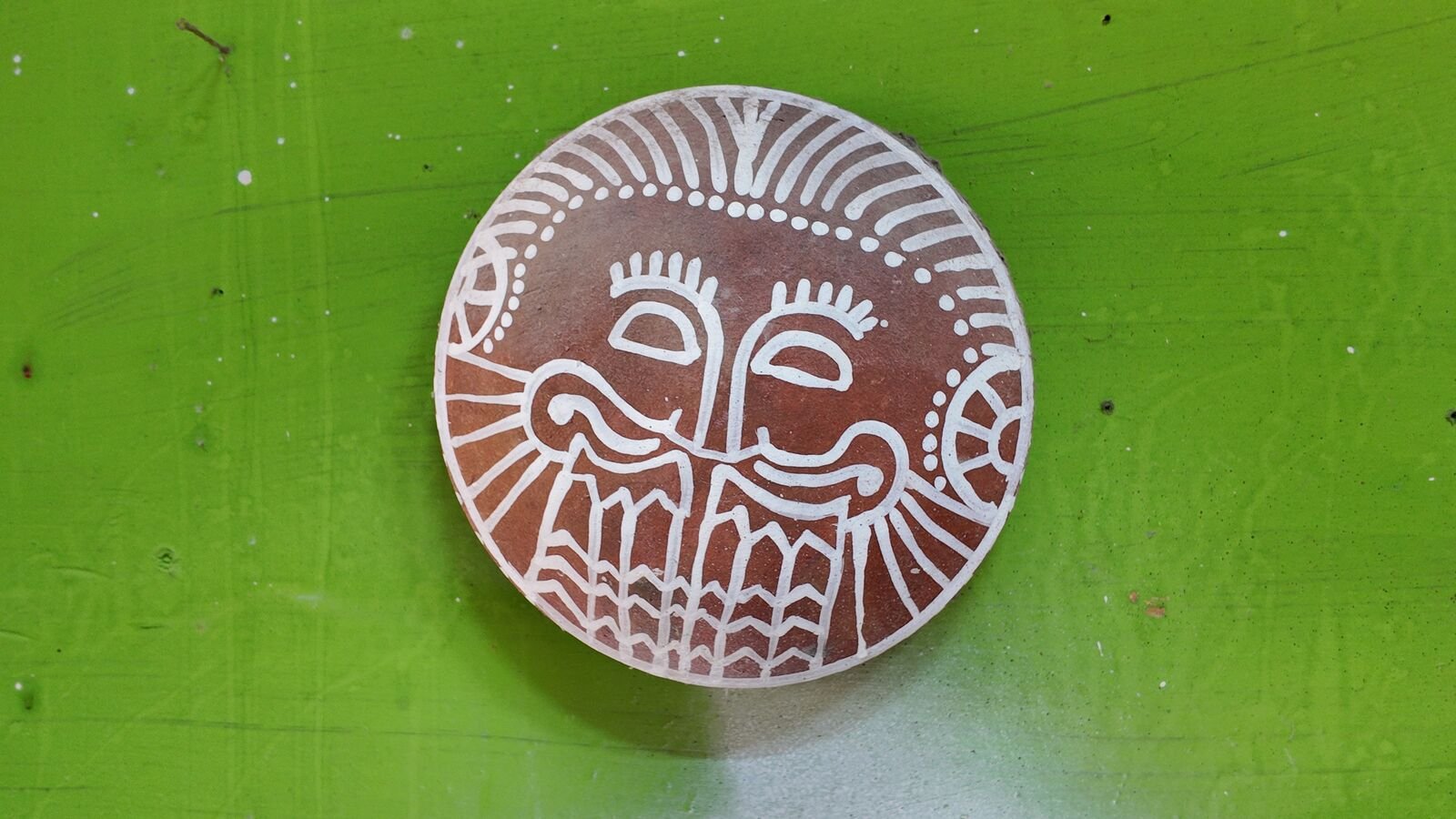
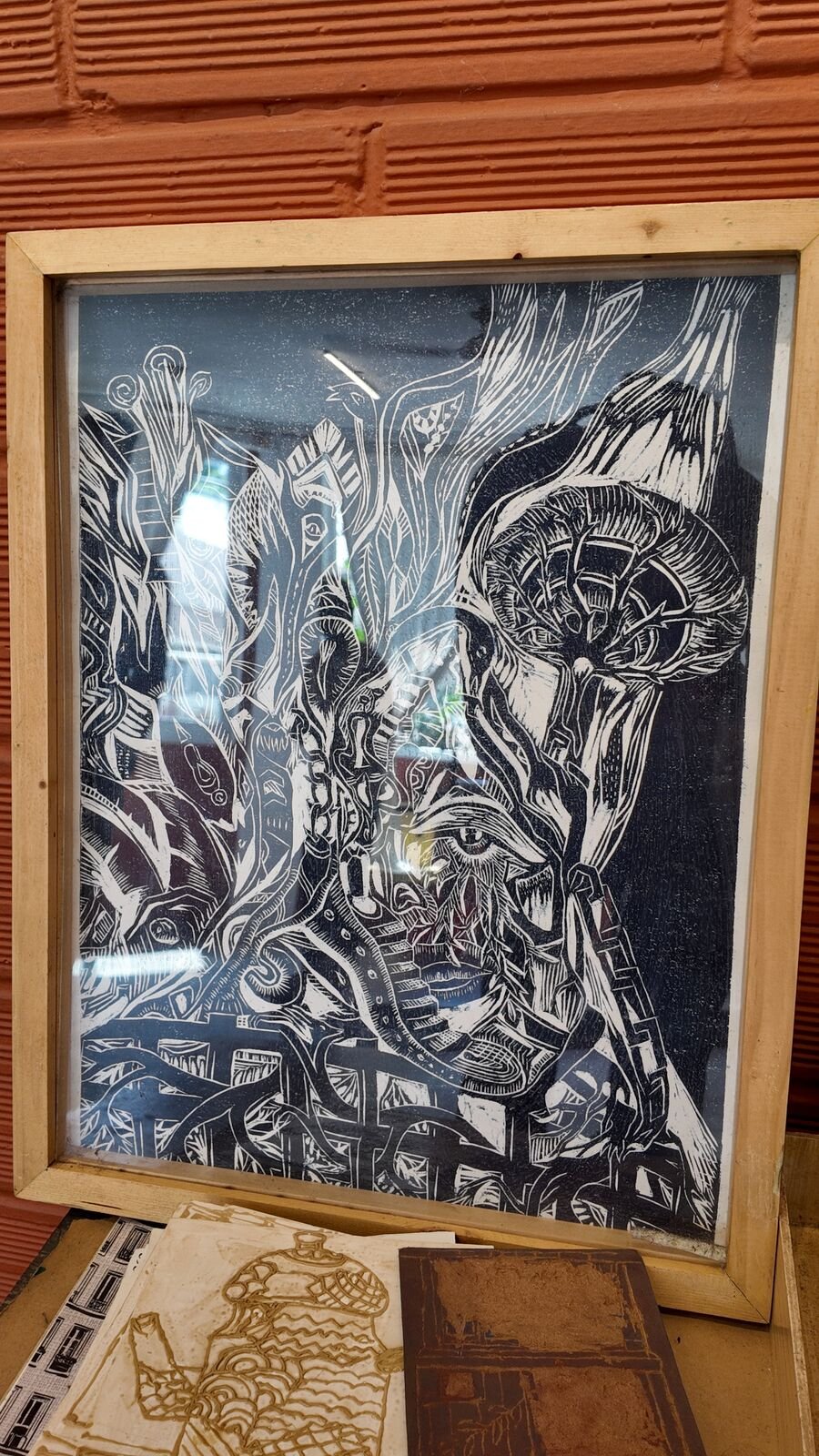
our students.



Spaces to make
Six studios,
one campus.
Each art form has a room of its own, with real tools and teachers who guide every child’s creative journey.
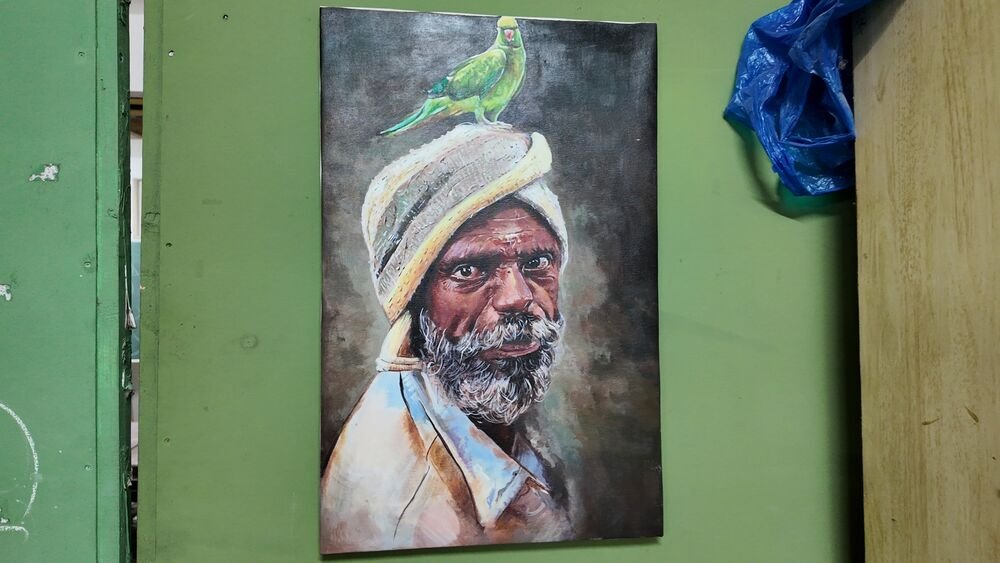
Painting
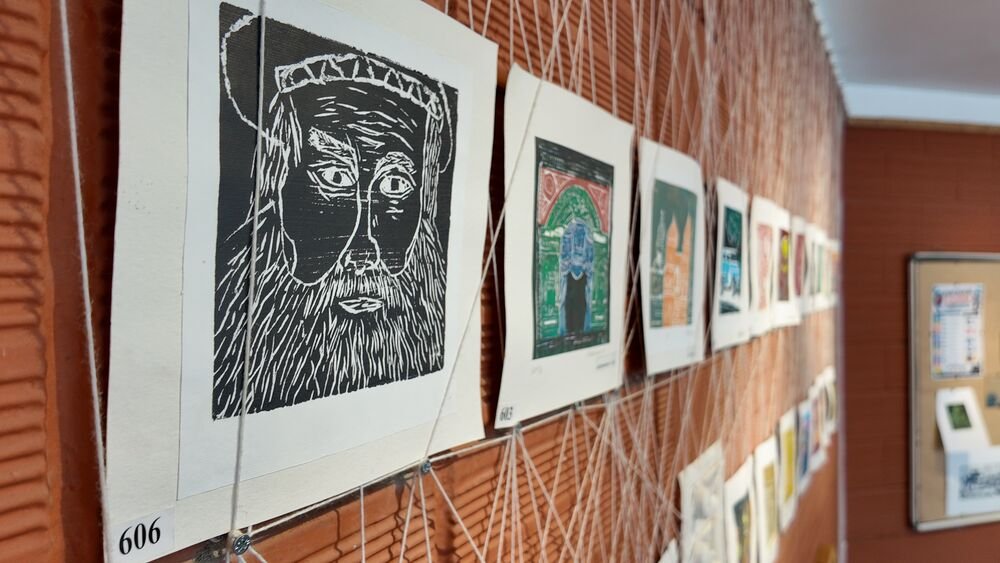
Printmaking

Pottery and kiln
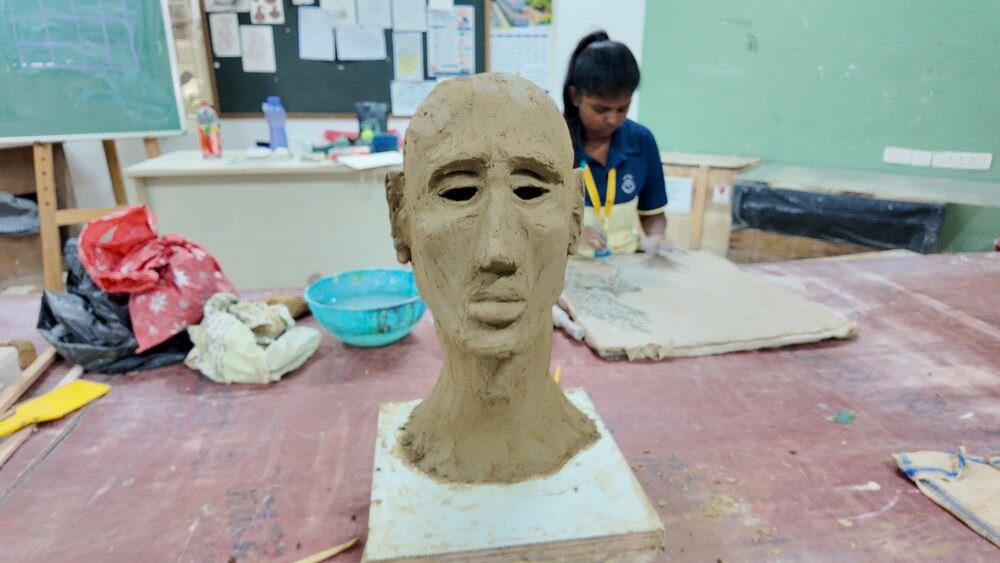
Clay modelling
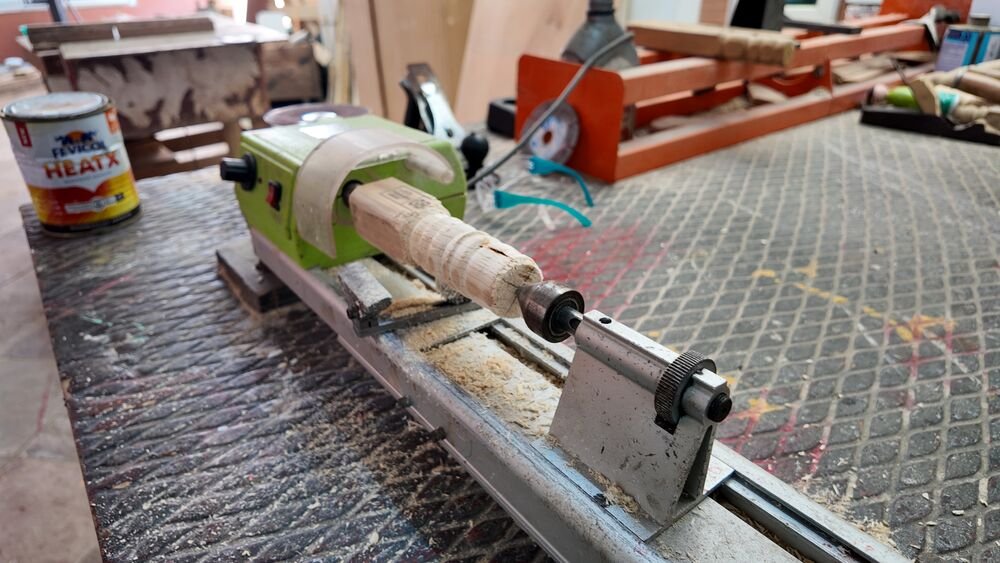
Carpentry
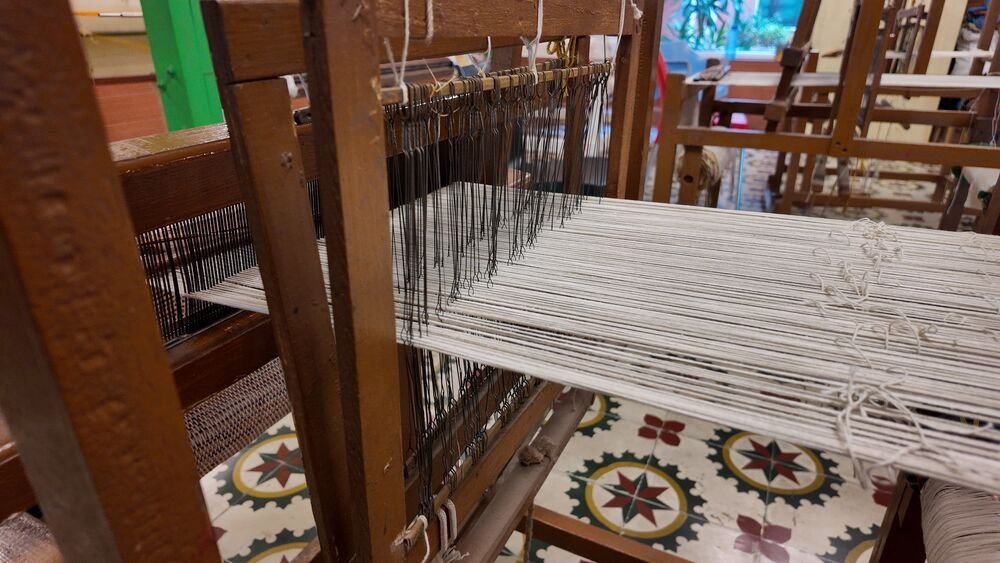
Weaving and textiles
Outcomes
What growth looks like.
Video stories coming soon.
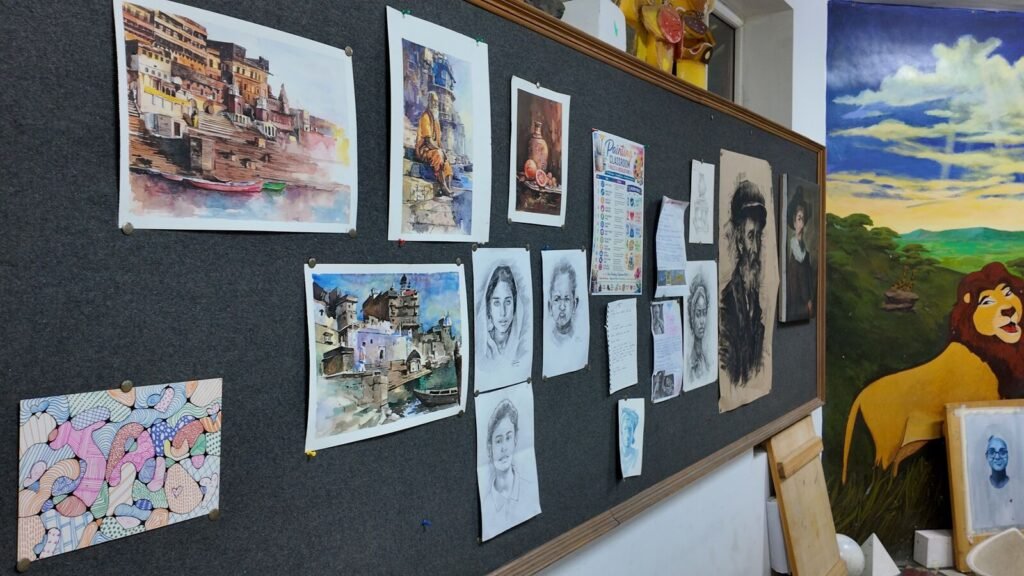
Self-expression
Video coming soon
Finding a voice
Video coming soon
Ideas taking shape
Video coming soon
Does my child need to be good at art already?
Which arts can my child explore?
Are the arts part of the timetable?
Do students fire their own pottery?
Can students take part in competitions?
Can we see the studios when we visit?
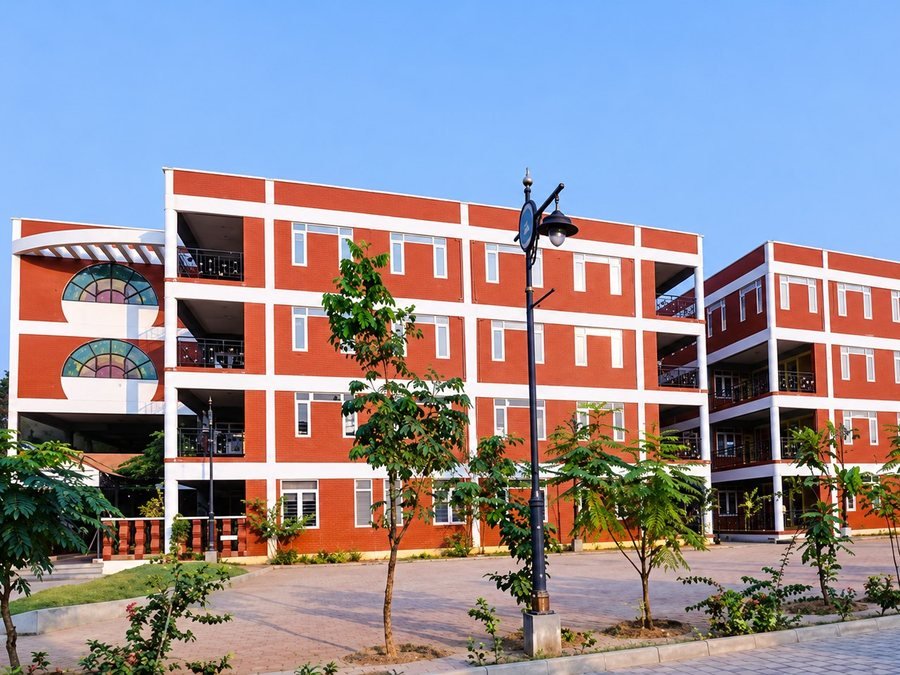
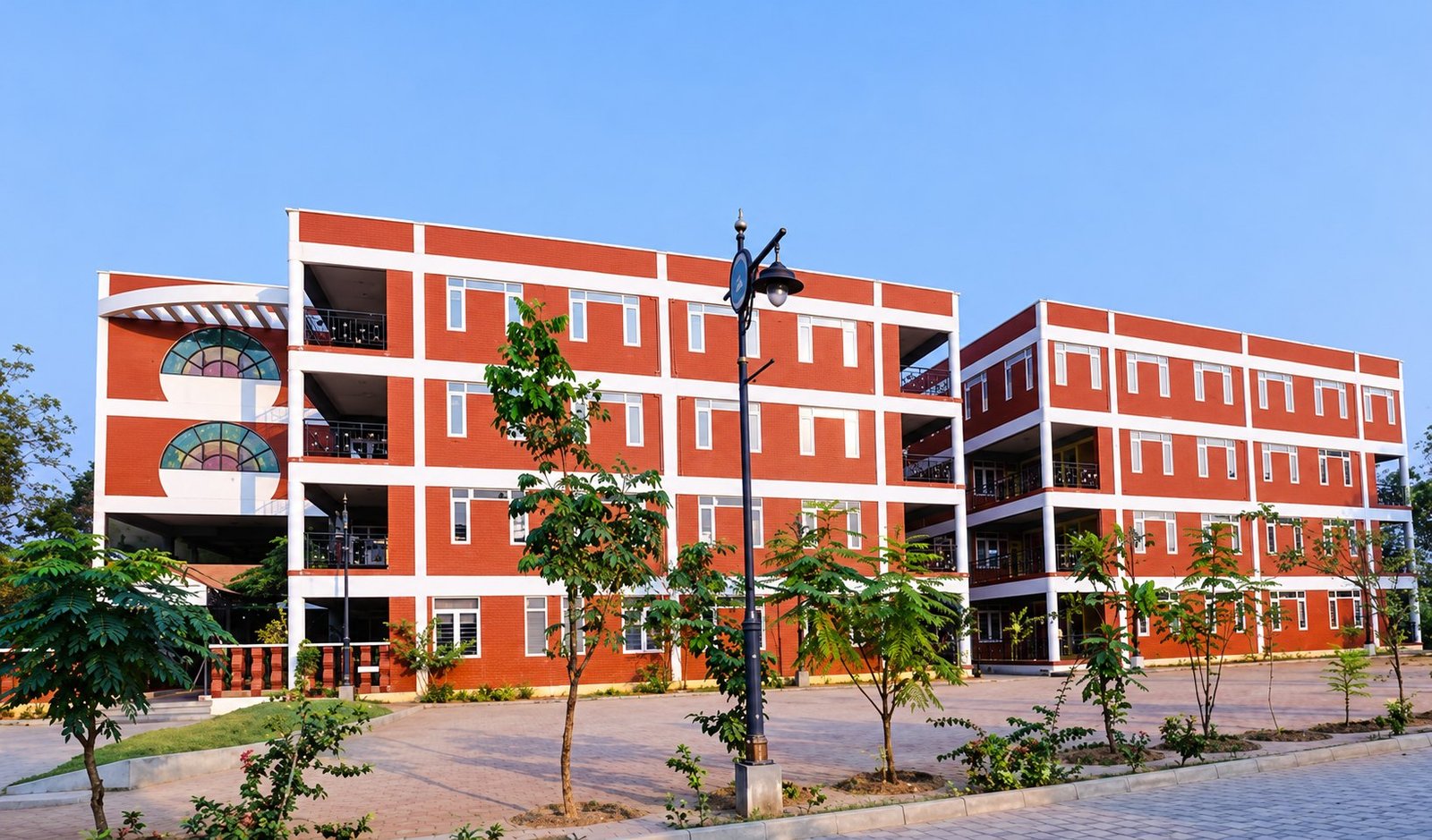 Our campus · Chennai
Come and
see the studios.
Leave your details and our admissions team will call you, answer your questions and help you plan a visit.
Contact admissions