
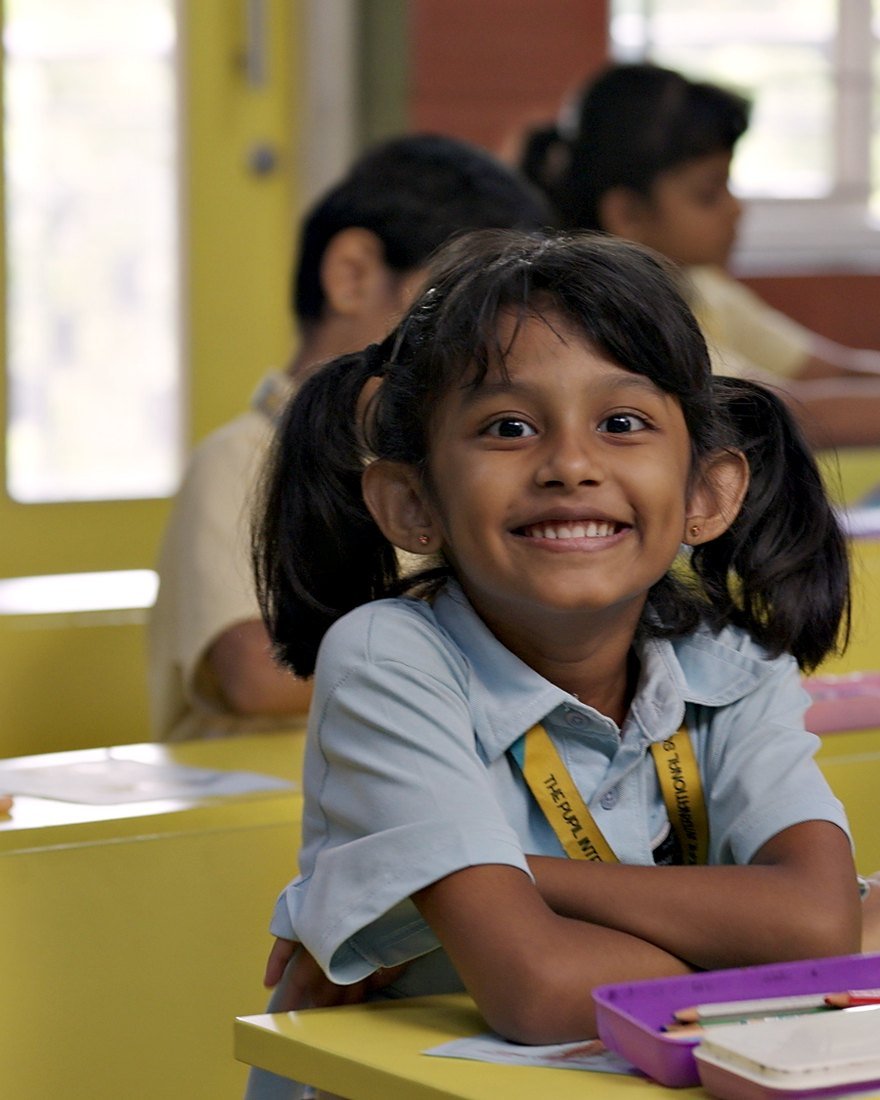
Middle Years · Ages 11–16
Middle Years that build bold thinkers and independent learners.
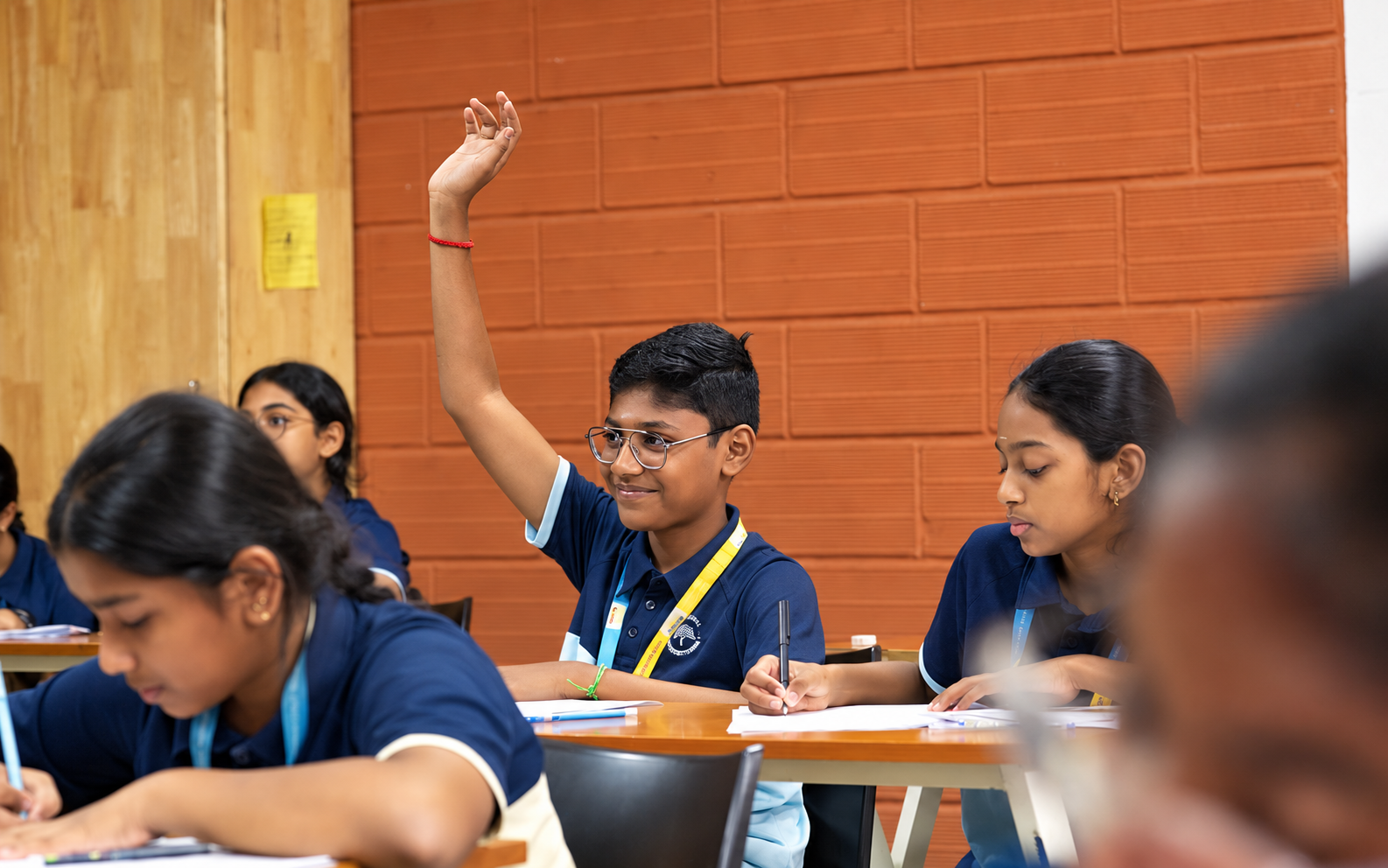
At The Pupil (Forms 6–10), students study all eight IB Middle Years Programme subject groups, connect what they learn to the real world and take charge of their own progress through EPIC.
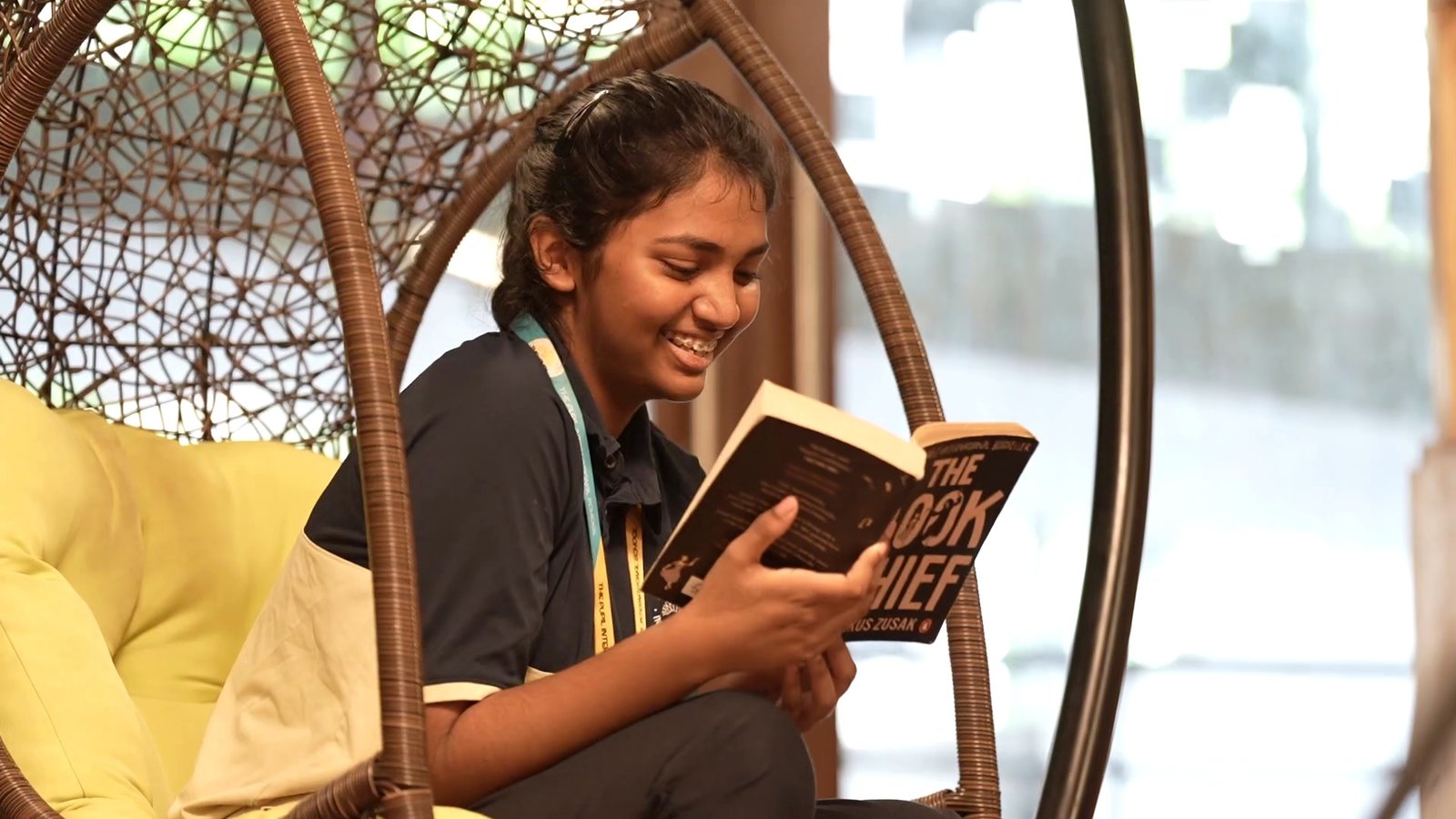
Our Middle Years Programme takes students from Form 6 to Form 10, ages 11 to 16. Guided by the IB Middle Years Programme, students study a broad range of subjects, see how they connect, and grow the independence they need for the Diploma Programme and beyond.
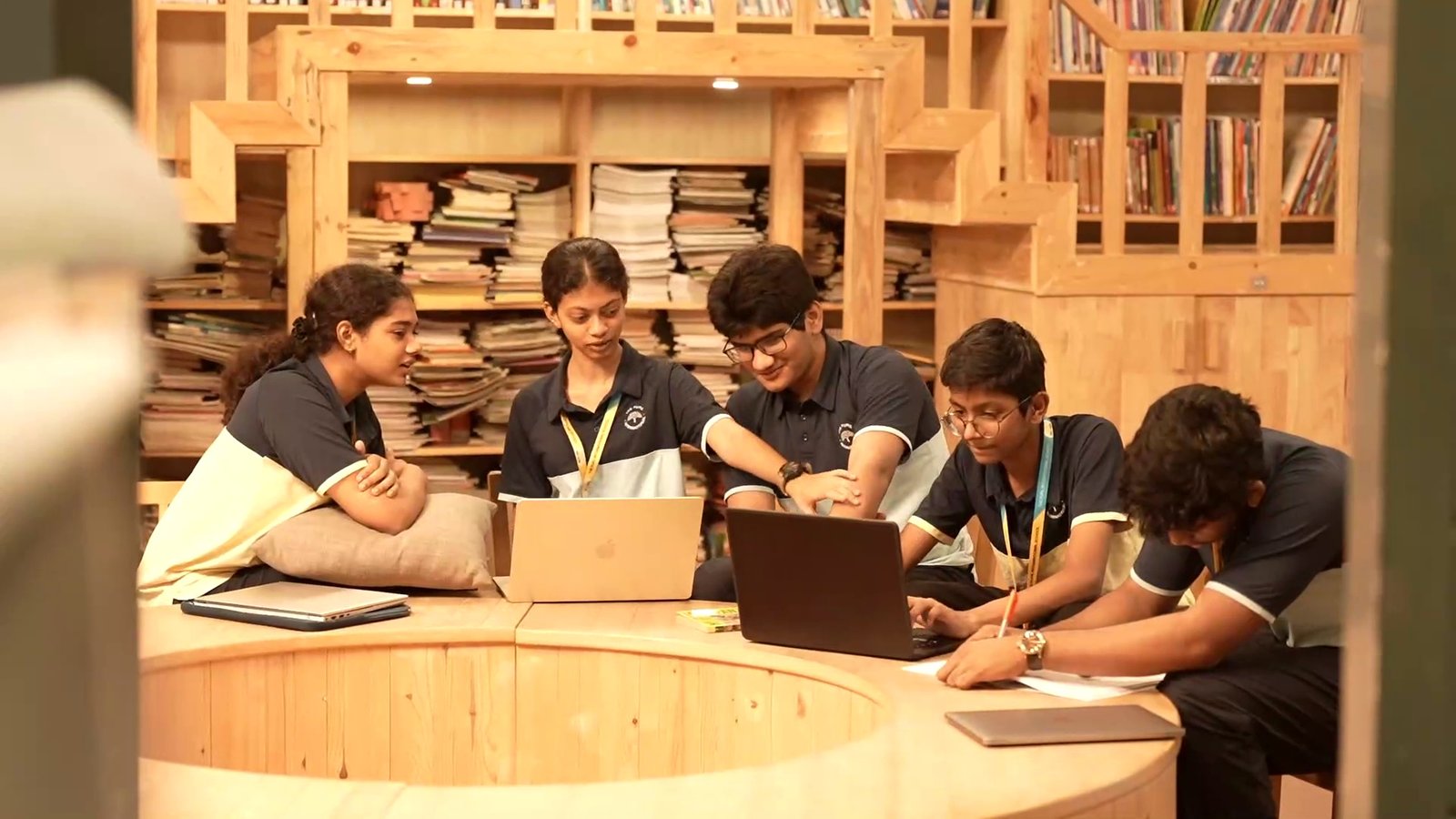
What makes it different
Learning they put
to real use.
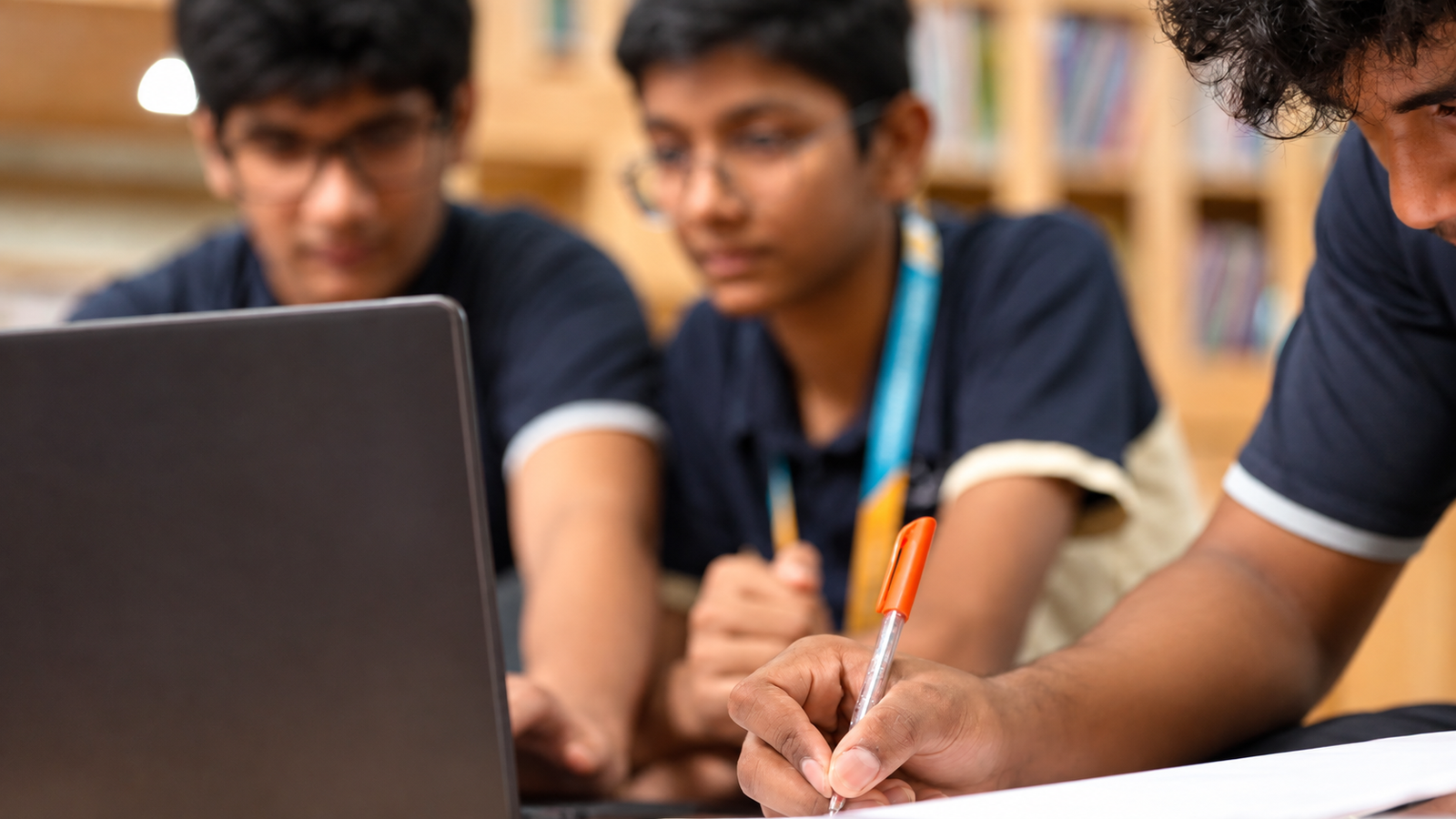
Language and literatureWriting for real readers
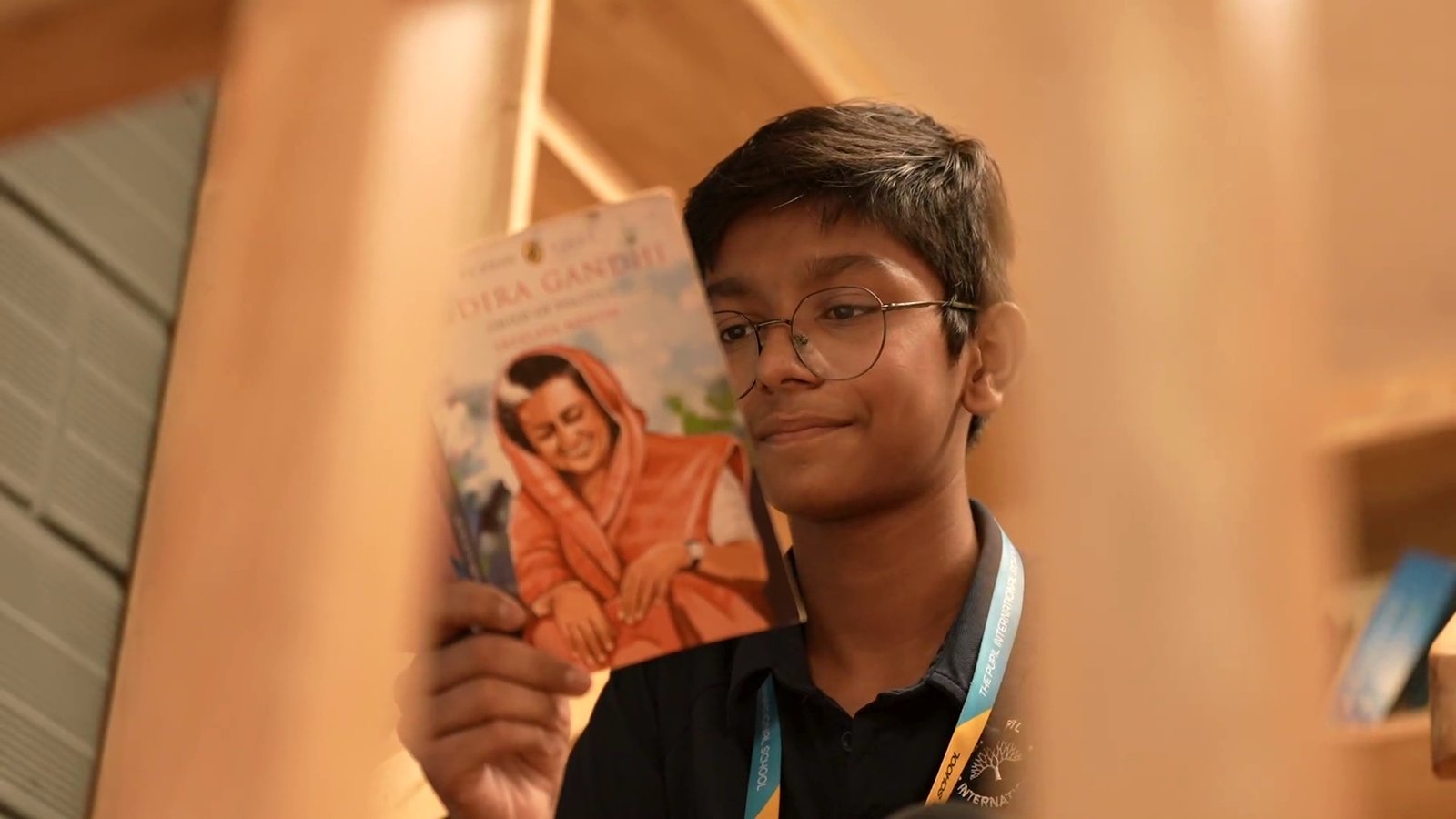
Students write essays, reviews and speeches for real audiences, and learn to read the news and media around them with a critical eye.
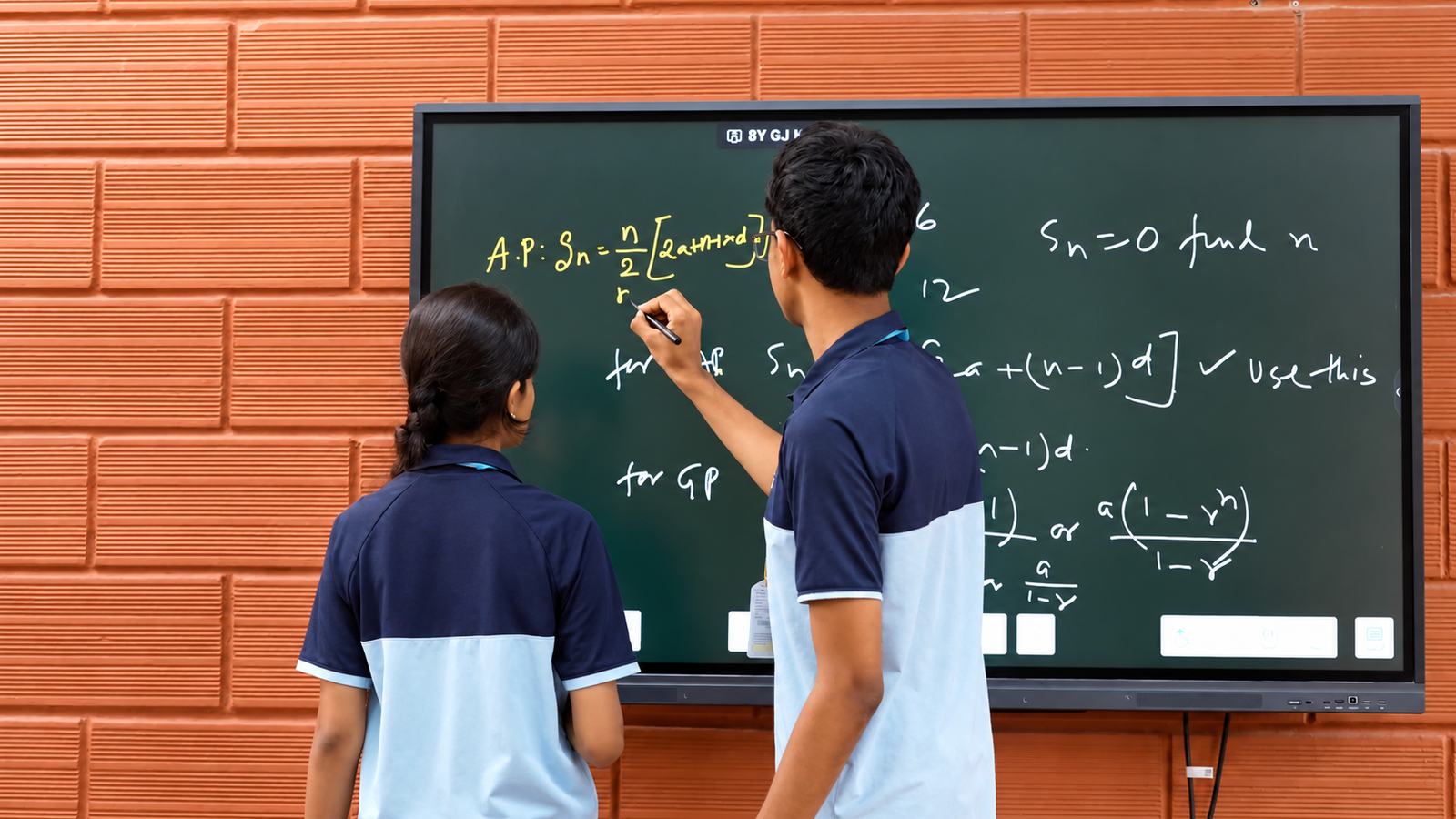
MathematicsMaths for real decisions
Number, algebra and data are used to answer real questions, from planning a budget to making sense of the statistics in the news.
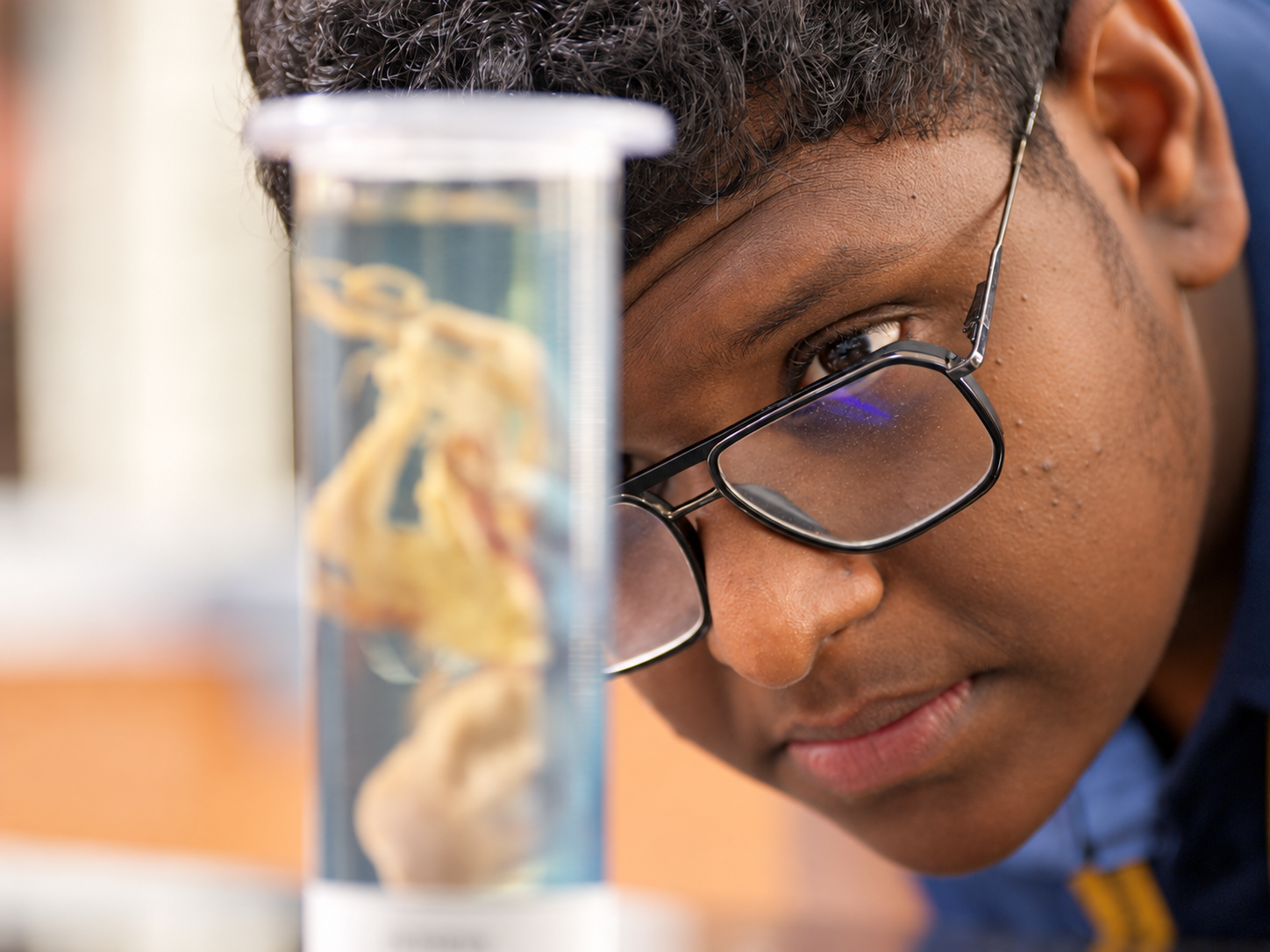
SciencesThinking like a scientist
In biology, chemistry and physics, students ask a question, design a fair test, collect data and explain what it shows.
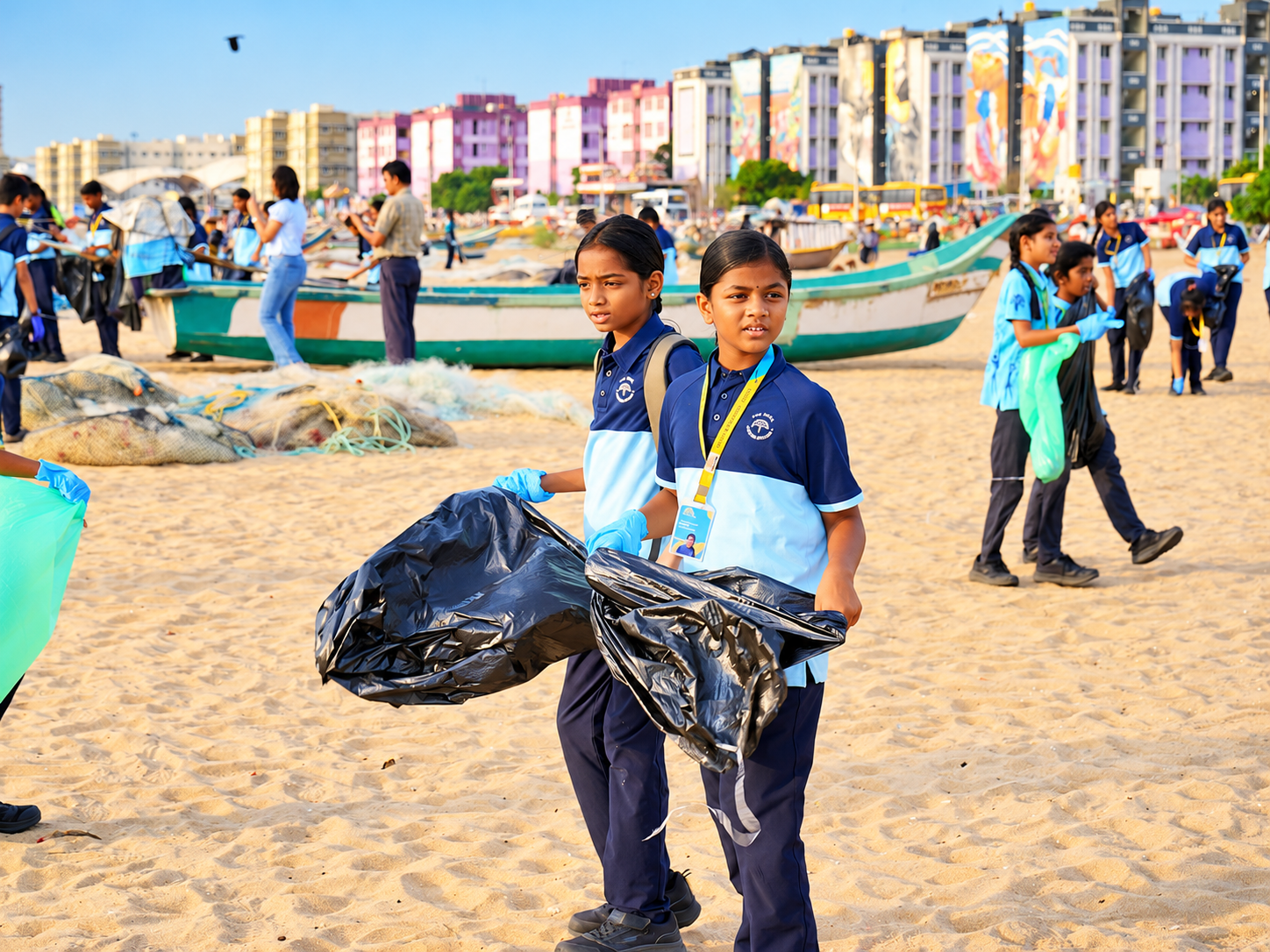
Individuals and societiesCaring for their city
Students look at real issues around them and take action on what they learn, like cleaning up a Chennai beach together.
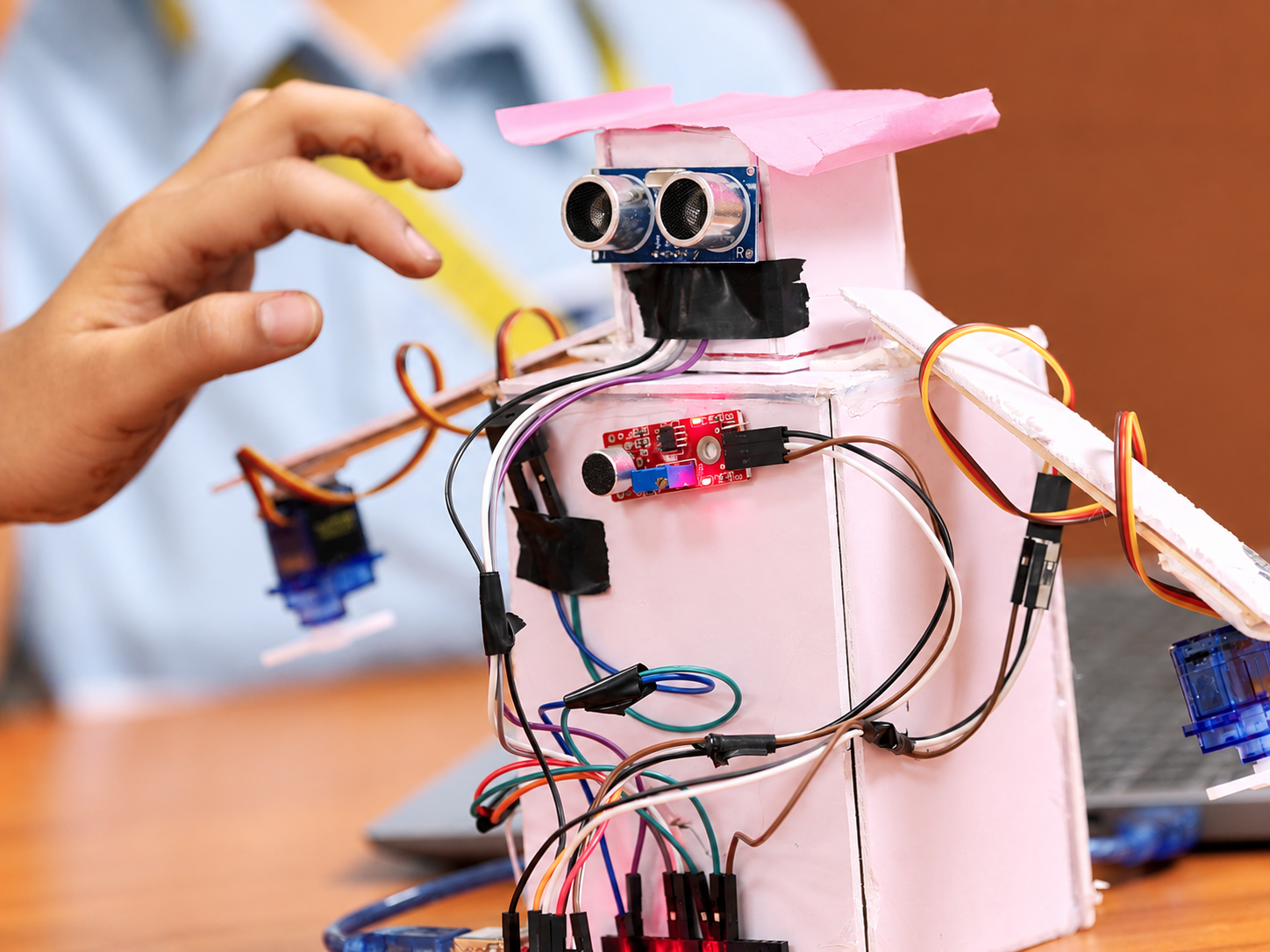
DesignBuilding things that work
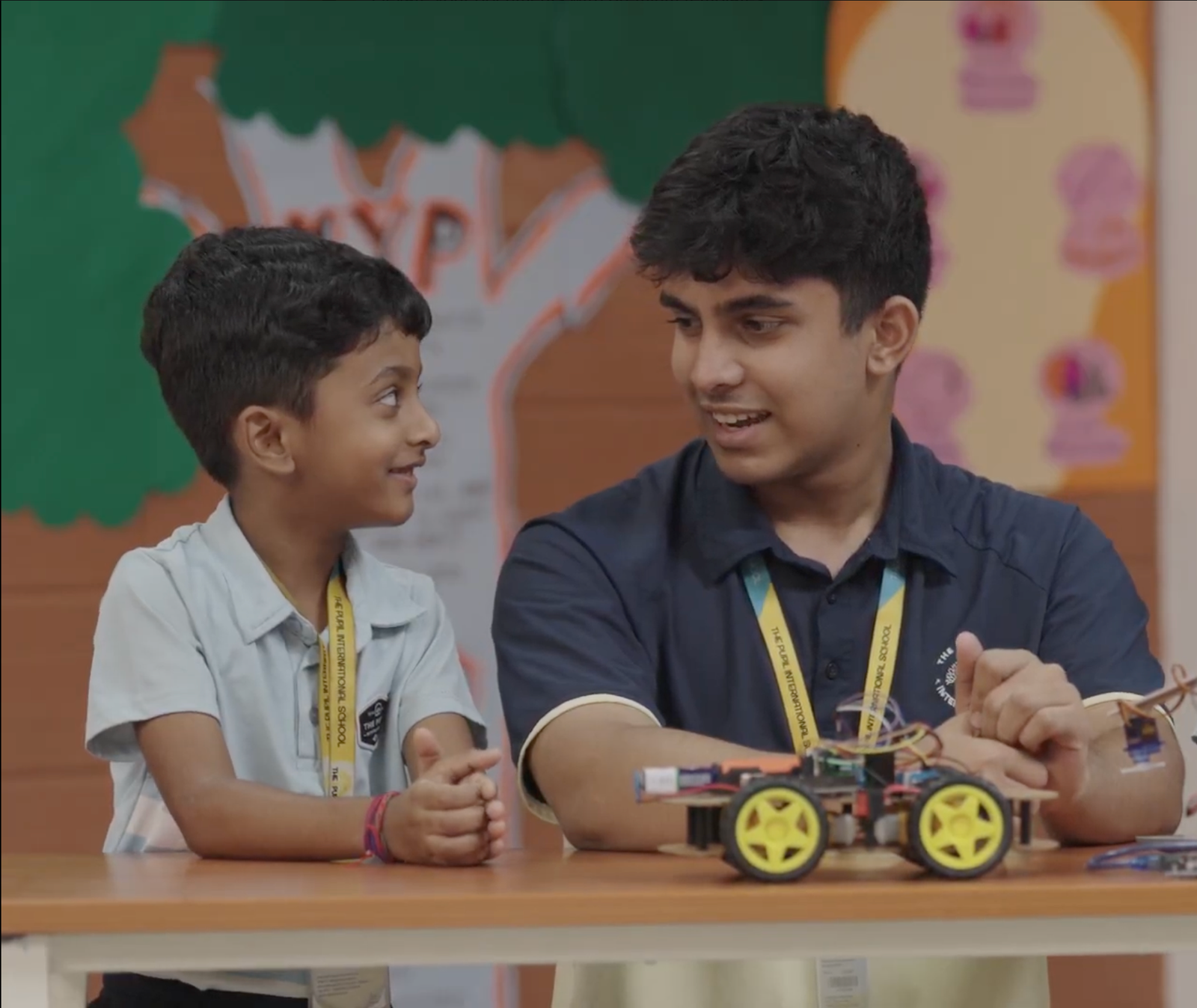
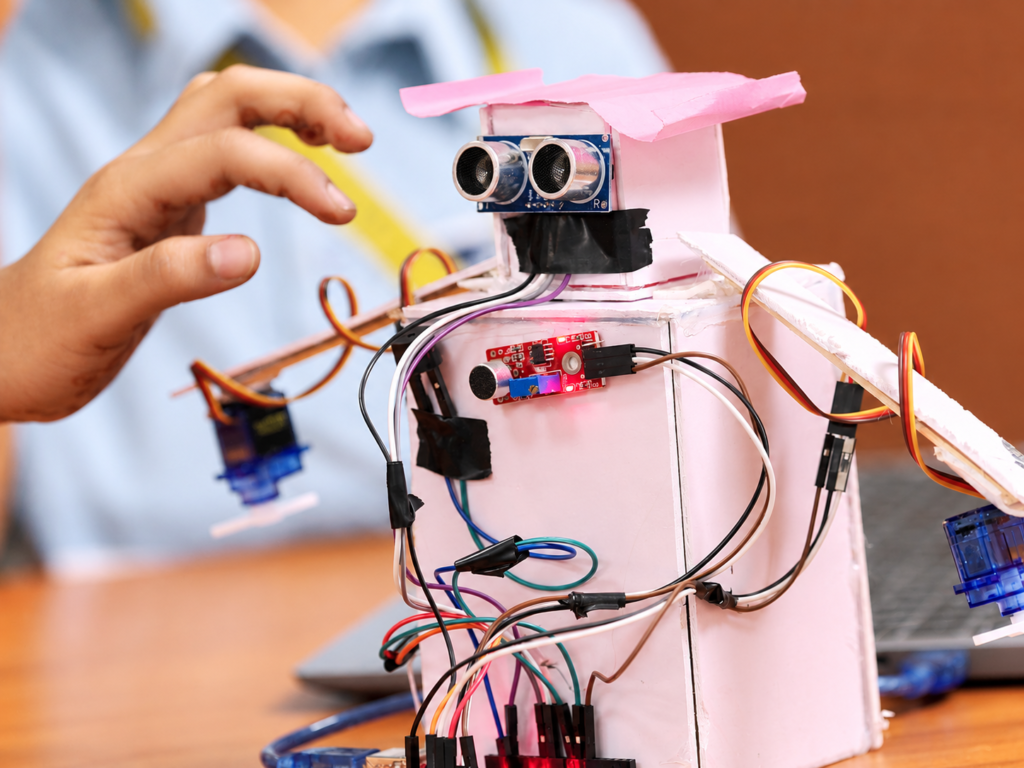
Students take a real problem, plan a solution, build it, test it and improve it, including robots they program themselves.
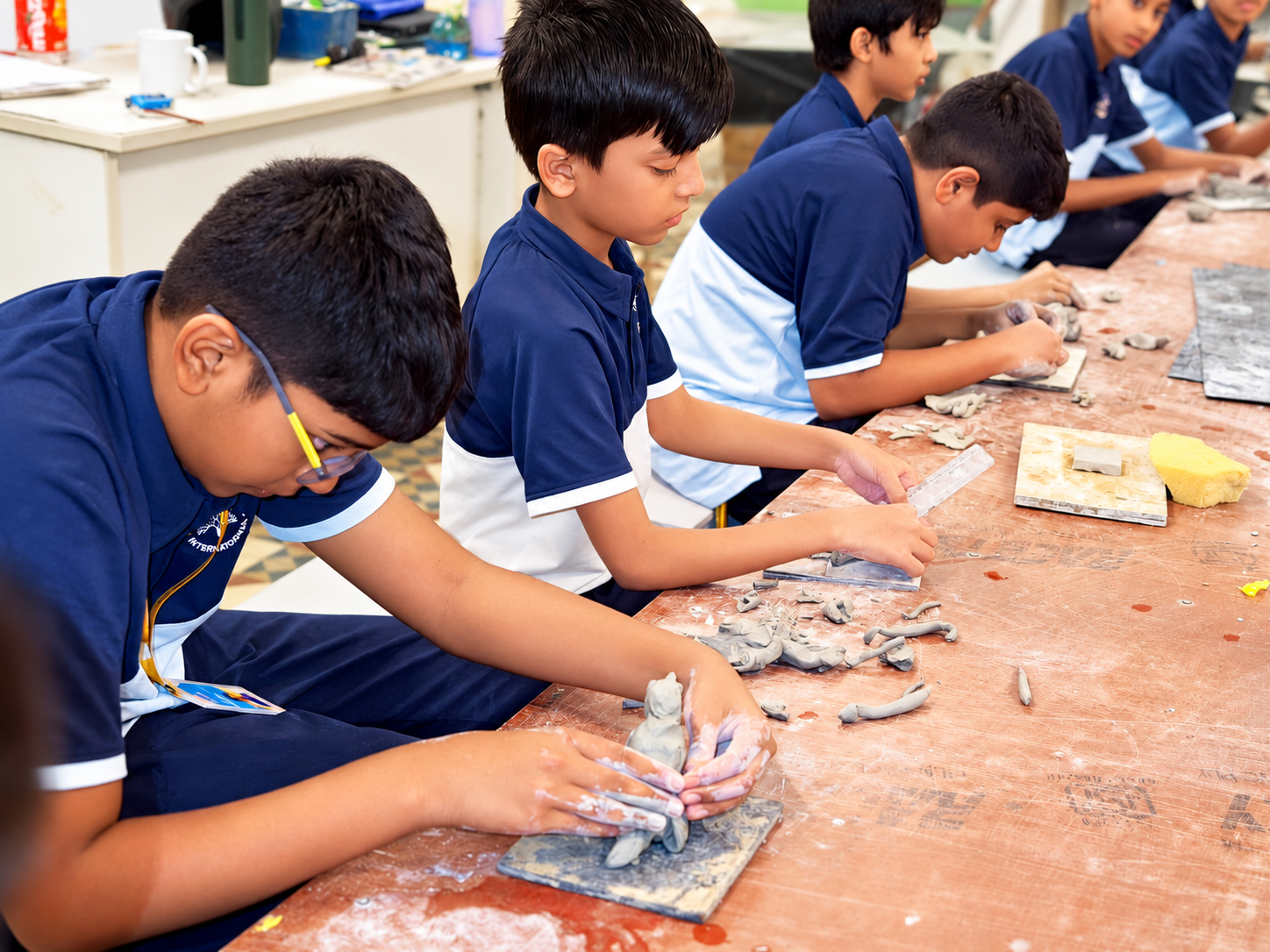
Arts · Physical and health educationMaking, moving and performing
Students shape ideas with their hands, voices and bodies, and learn to share their work with an audience and look after their health.
EPIC continues in the Middle Years
More choice.
More responsibility.
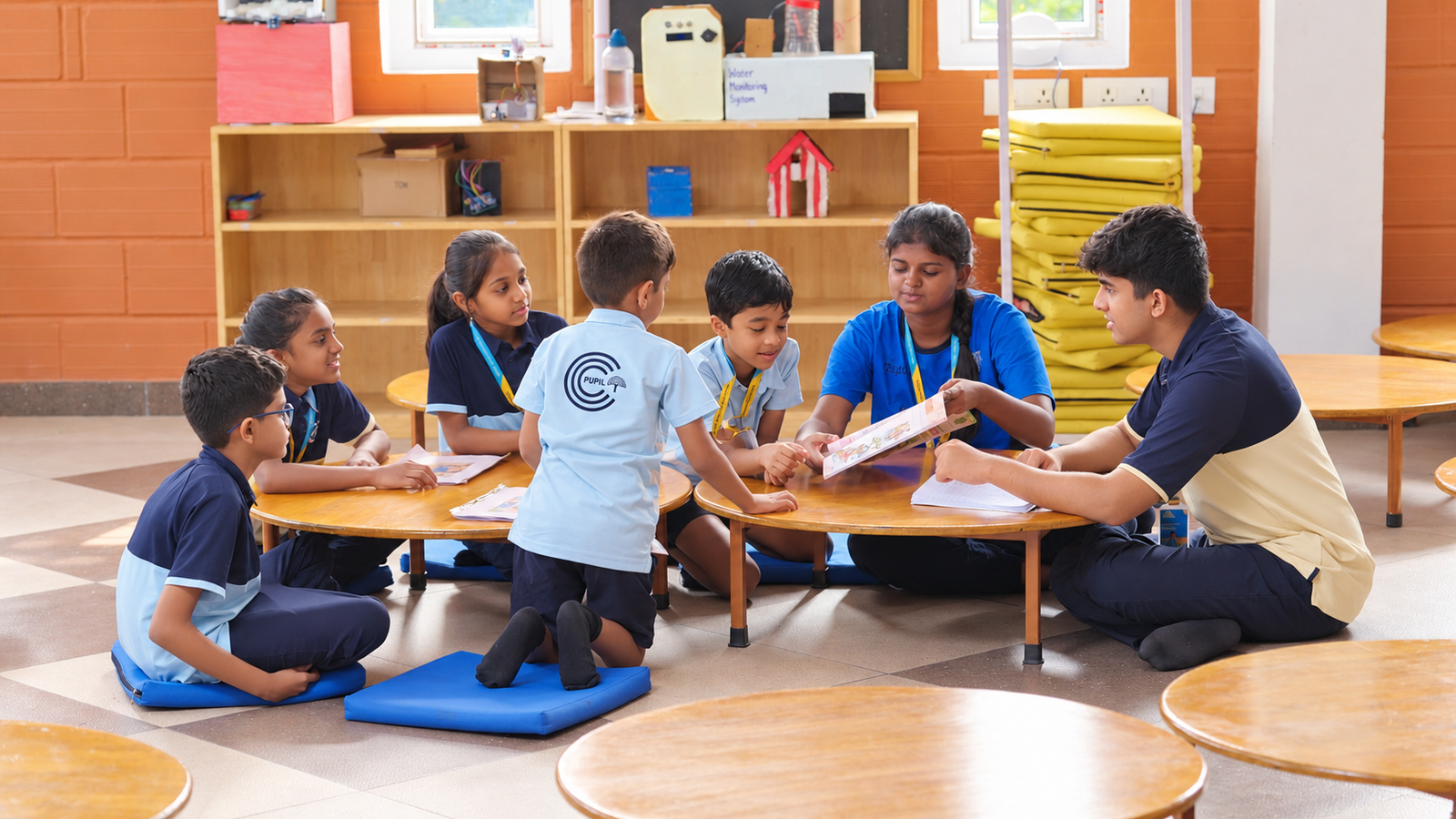
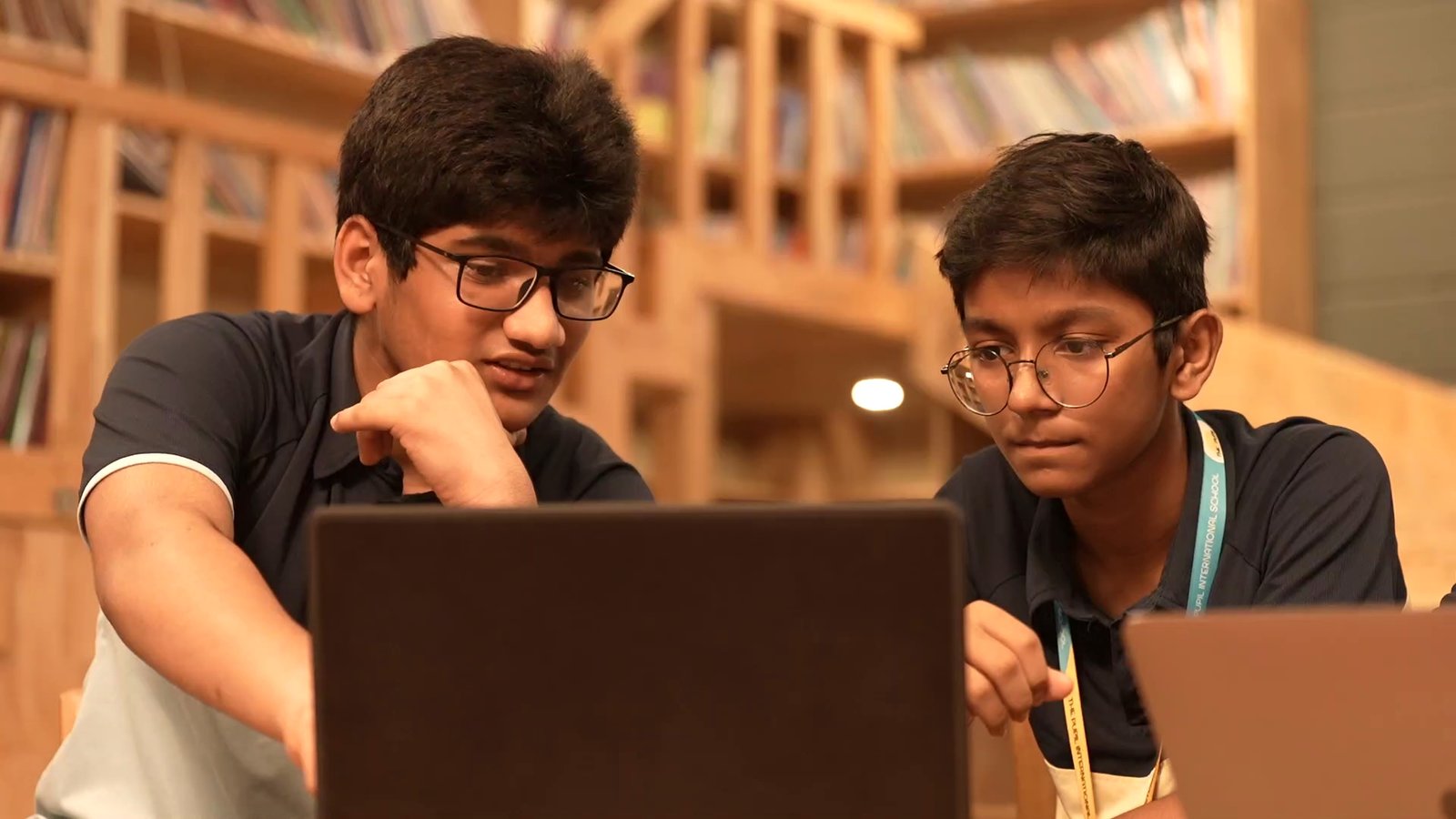
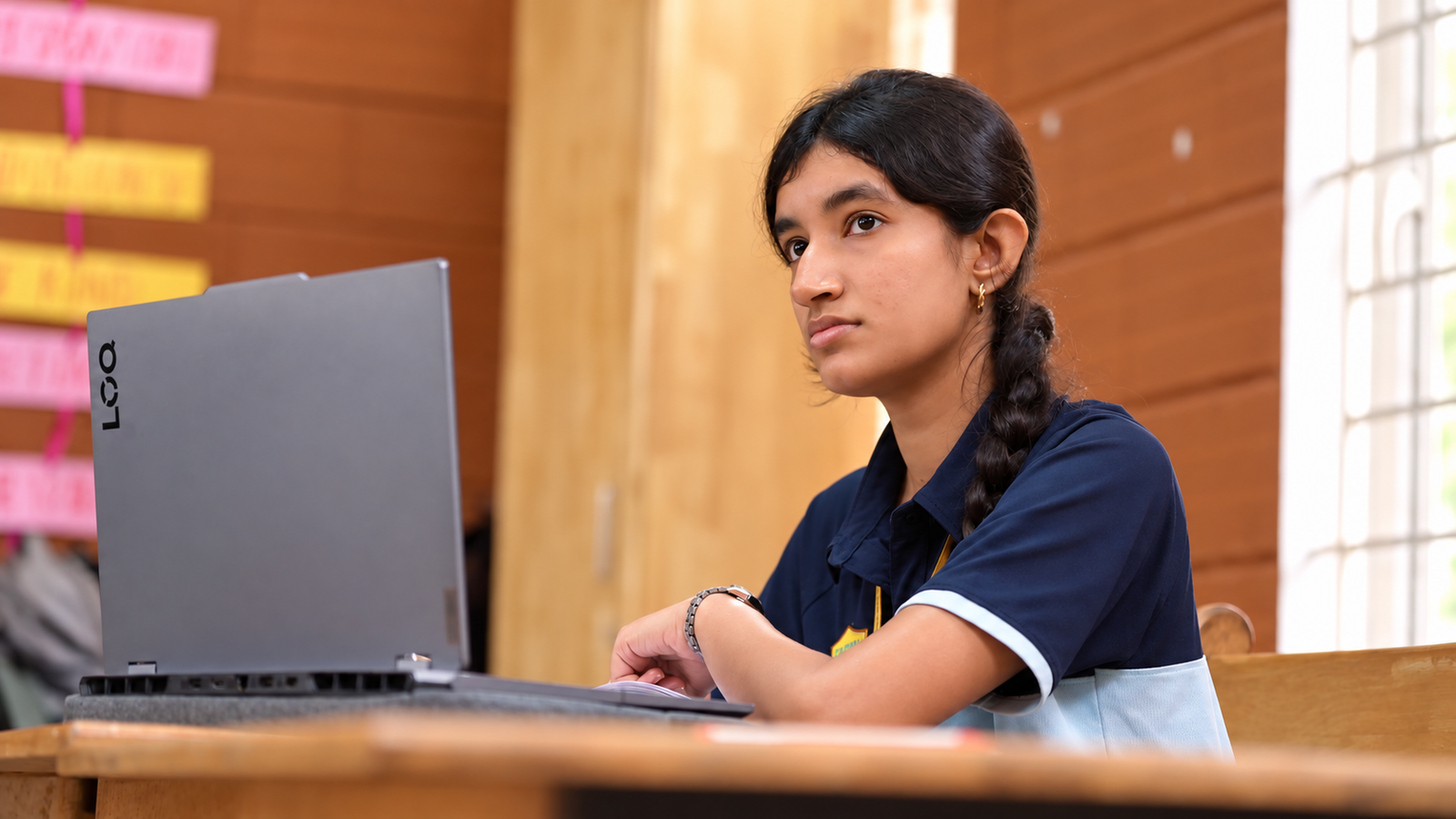
EPIC begins in the Primary Years and grows with your child. In the Middle Years, students plan more of their independent study time and choose how, where and with whom they work. Clear goals and regular check-ins with teachers keep that freedom pointed in the right direction.
Know my strengths.
Students reflect on how they learn best and where they need more support.
Plan my study time.
They plan their independent study periods around clear goals for the week.
Choose how I work.
Alone, in a group or with a teacher, in the space that suits the task.
Set my next goal.
They track their progress, practise what needs work and move ahead when ready.
How learning works
Learning with
a reason.
Each unit runs for about six weeks and is framed by one of six global contexts, so students see why what they learn matters. Research, communication, self-management and critical thinking are taught in every subject.
Teachers give feedback all through each unit, and students learn to assess their own work and set goals. In Form 8 they lead a Community Project, and in Form 10 they complete the Personal Project, an independent piece of work on a topic they choose.
The IB Middle Years Programme
How the MYP
fits together.
The IB draws the whole programme as one picture. Start at the centre and work out, ring by ring.
The learner profile
At the centre is your child, and the qualities we hope they grow into.
Approaches to teaching and learning
Research, communication, thinking, social and self-management skills, taught in every subject.
Key concepts and global contexts
Big ideas and six real-world contexts that show students why what they learn matters.
Service as action and the two projects
Service in the community, the Form 8 Community Project and the Form 10 Personal Project.
Eight subject groups
Every group studied through to Form 10, so no part of their thinking is left out.
International-mindedness
Respect for other cultures, languages and points of view, around everything students learn.
Outcomes
What growth looks like.
Video stories coming soon.
Grit and resilience
Video coming soon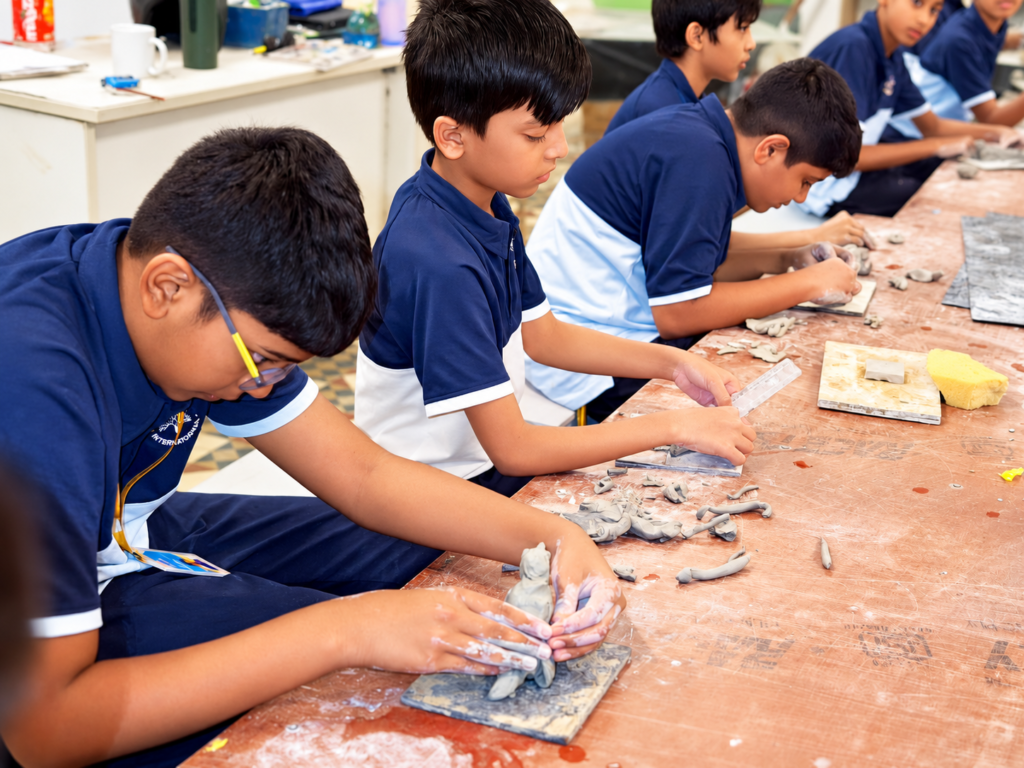
Head and heart
Video coming soon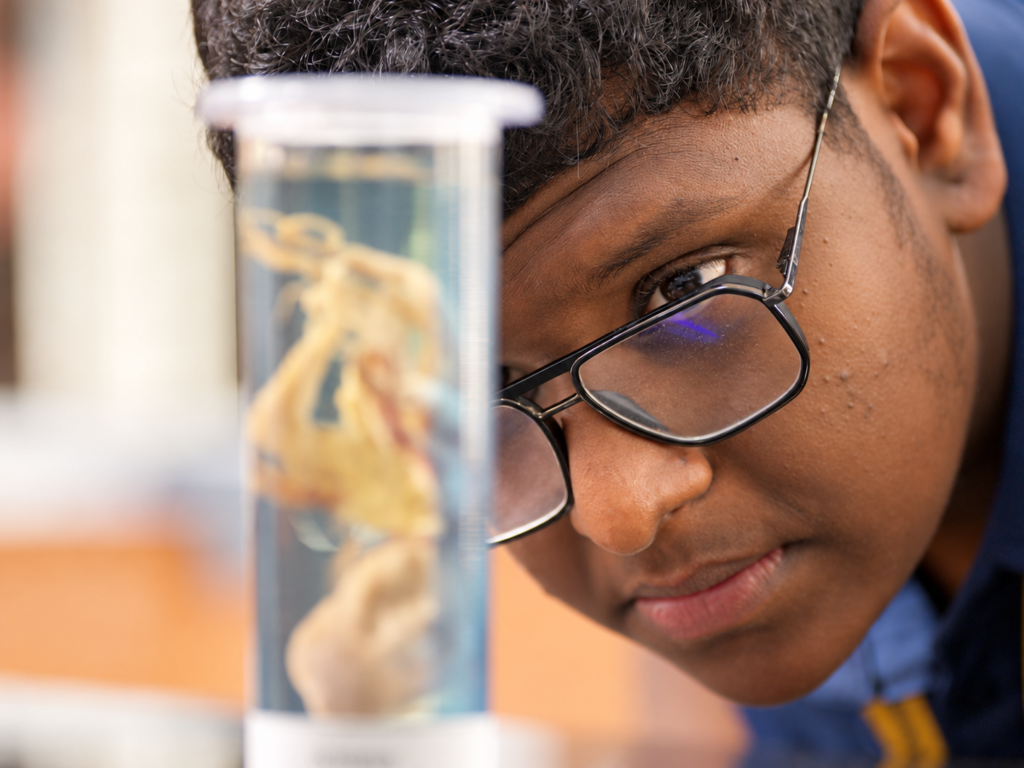
Independent thinking
Video coming soonOne learning journey
Explore the
other stages.
Early
Years
Explore Ages 3–6 · Step 1–3
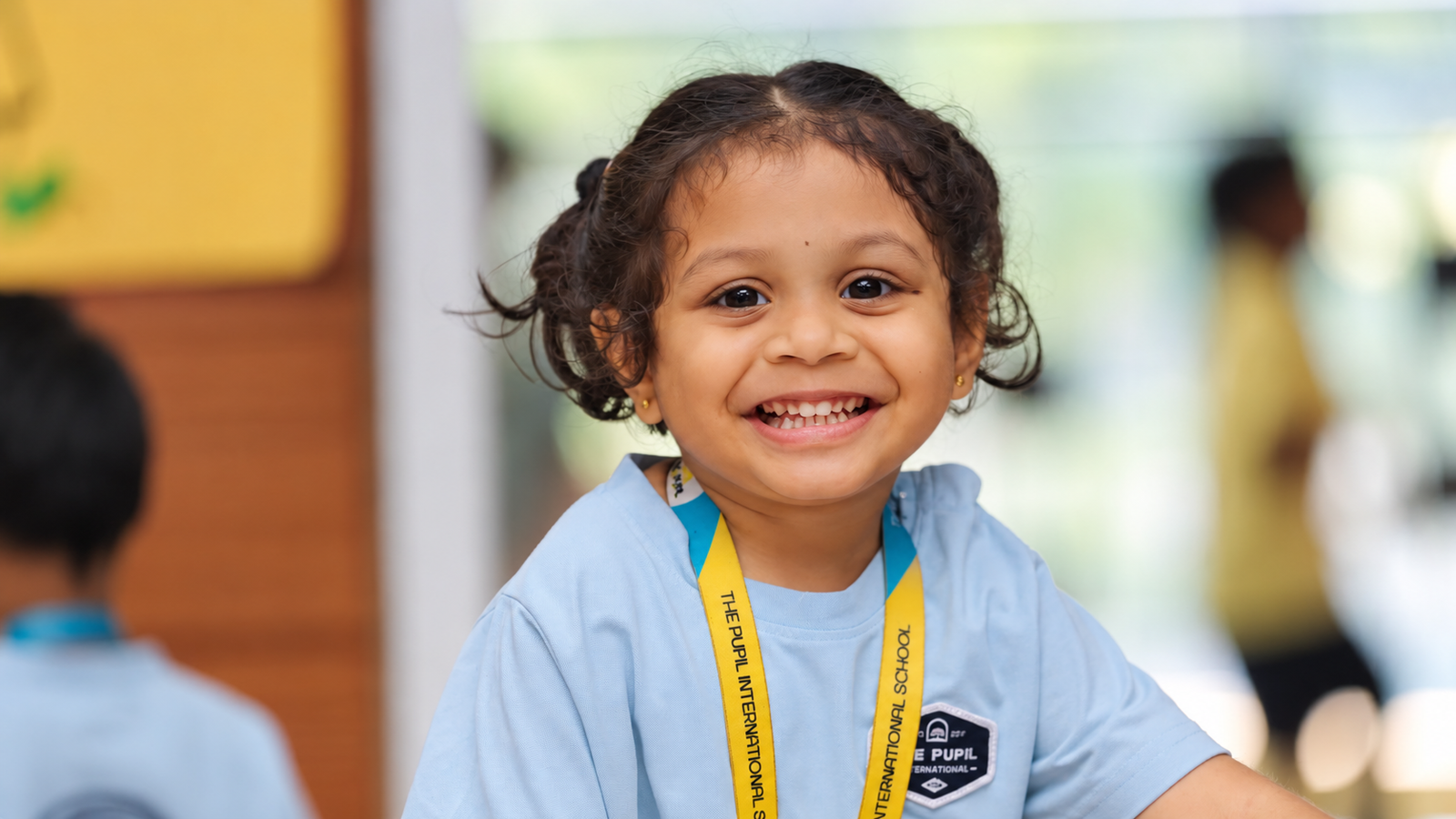
Where curiosity gets its first big questions. Children learn through purposeful play.
Primary
Years
Explore Forms 1–5 · IB PYP
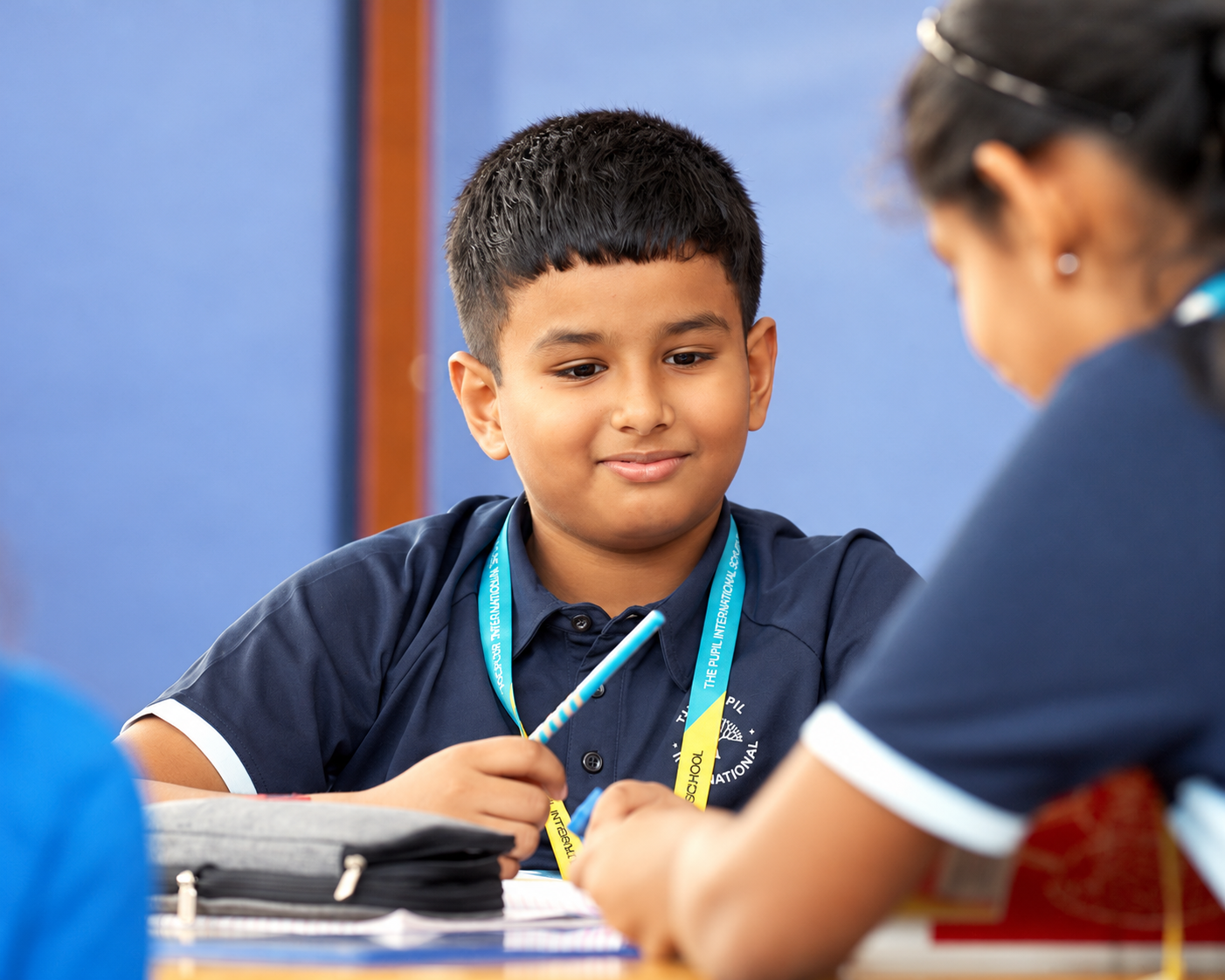
Questions become discoveries. Children explore, connect ideas and build understanding.
Diploma
Programme
Explore Forms 11–12 · IB DP
Go deeper into what matters to you. Prepare for university and the possibilities beyond.
What is the MYP?
Is The Pupil an IB World School for the MYP?
What is EPIC?
Which languages can my child learn?
How is my child assessed?
What comes after Form 10?
How do we apply?
 Our campus · Chennai
Start with
a conversation.
Leave your details and our admissions team will call you, answer your questions and help you plan a visit.
Admissions · IB Continuum School, Chennai
Start with a conversation.
Tell us a little about your child. We’ll use your details to respond to your enquiry and help you plan a visit.