Early Years · Ages 3–6

Learn through play at The Pupil International School.

Through stories, building, art and movement, children develop early language and number skills, make friends and grow in confidence.
  • Ages3 to 6
  • ClassesStep 1 · Step 2 · Step 3 KG equivalent
  • ProgrammeIB Early Years
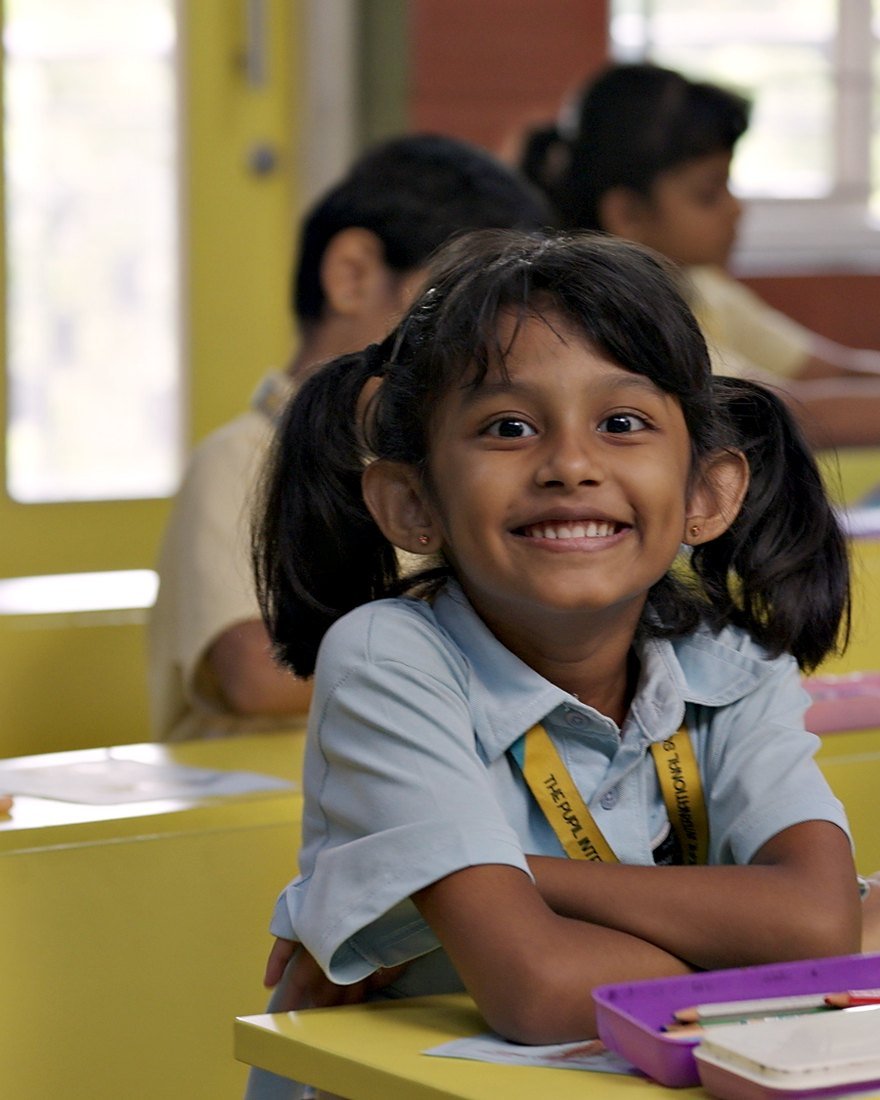
Smiling early years student at The Pupil International School in a classroom

Our Early Years Programme is a joyful, nurturing place where children aged 3 to 6 learn the way they learn best: through play. Guided by the IB Primary Years Programme, every day builds curiosity, creativity and the confidence to try.
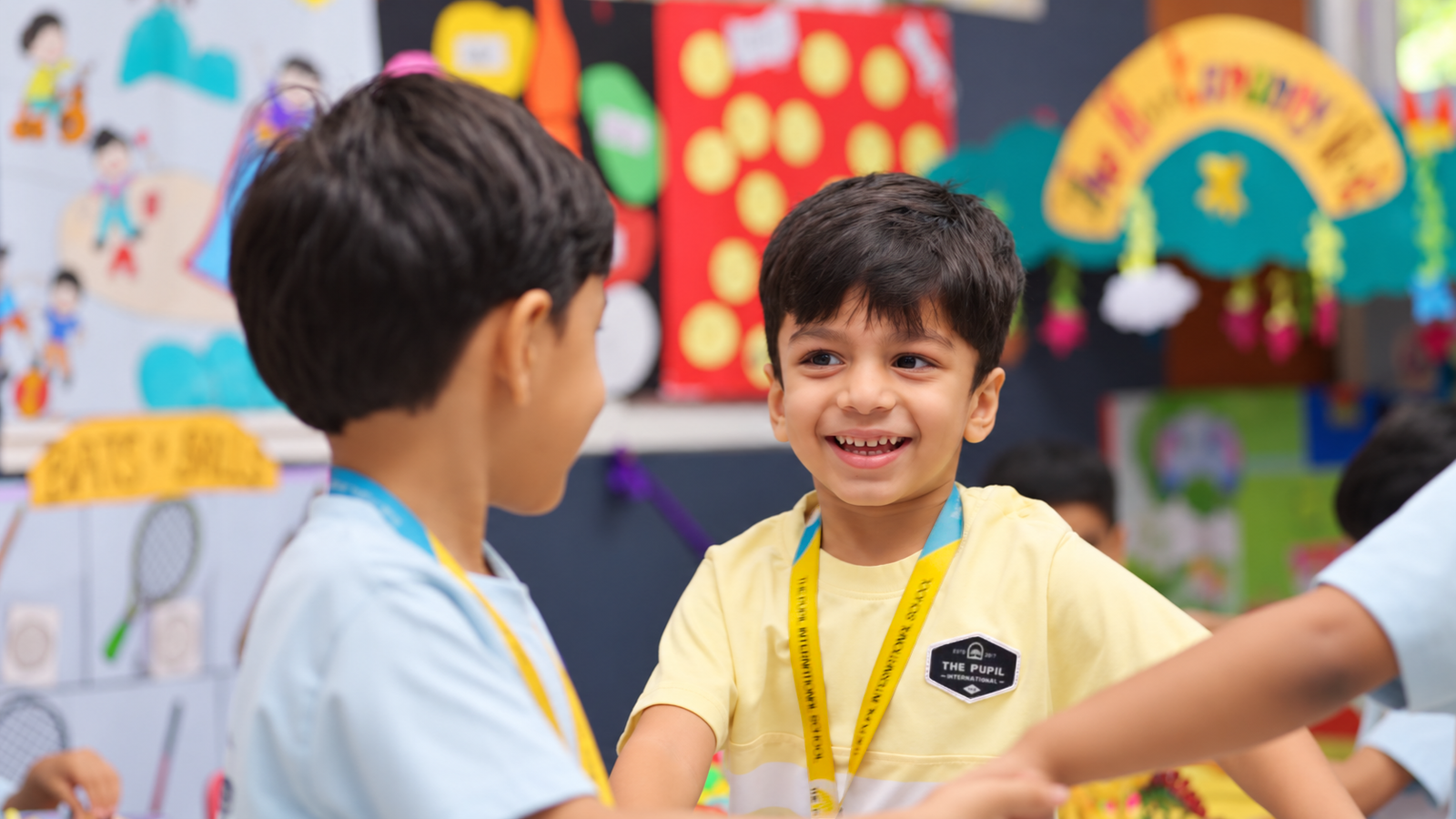
What makes it different

What your child
learns here.
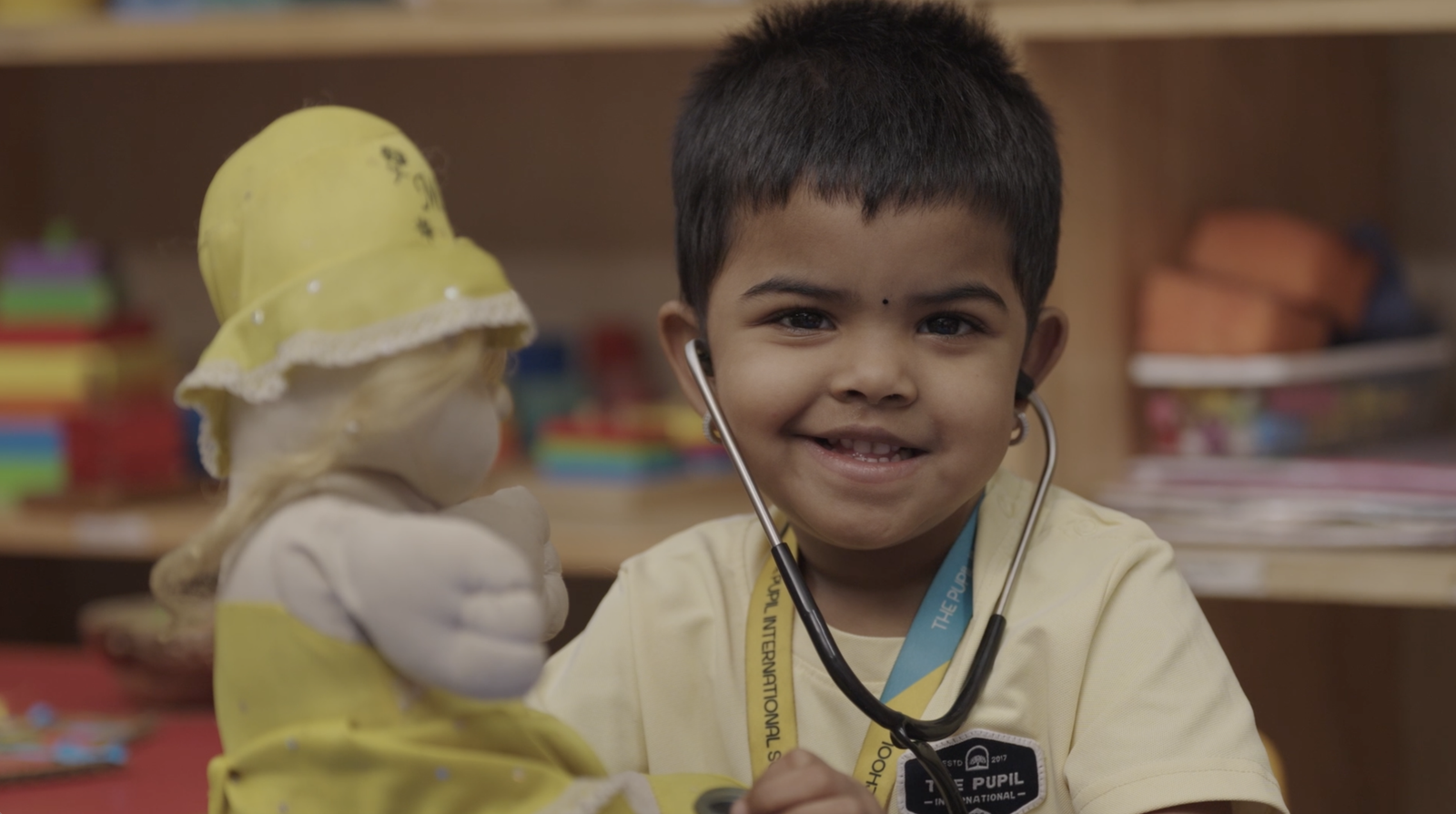
Learning through play

Play is how young children make sense of the world. Teachers plan it with a purpose, so every activity builds thinking, language and social skills.
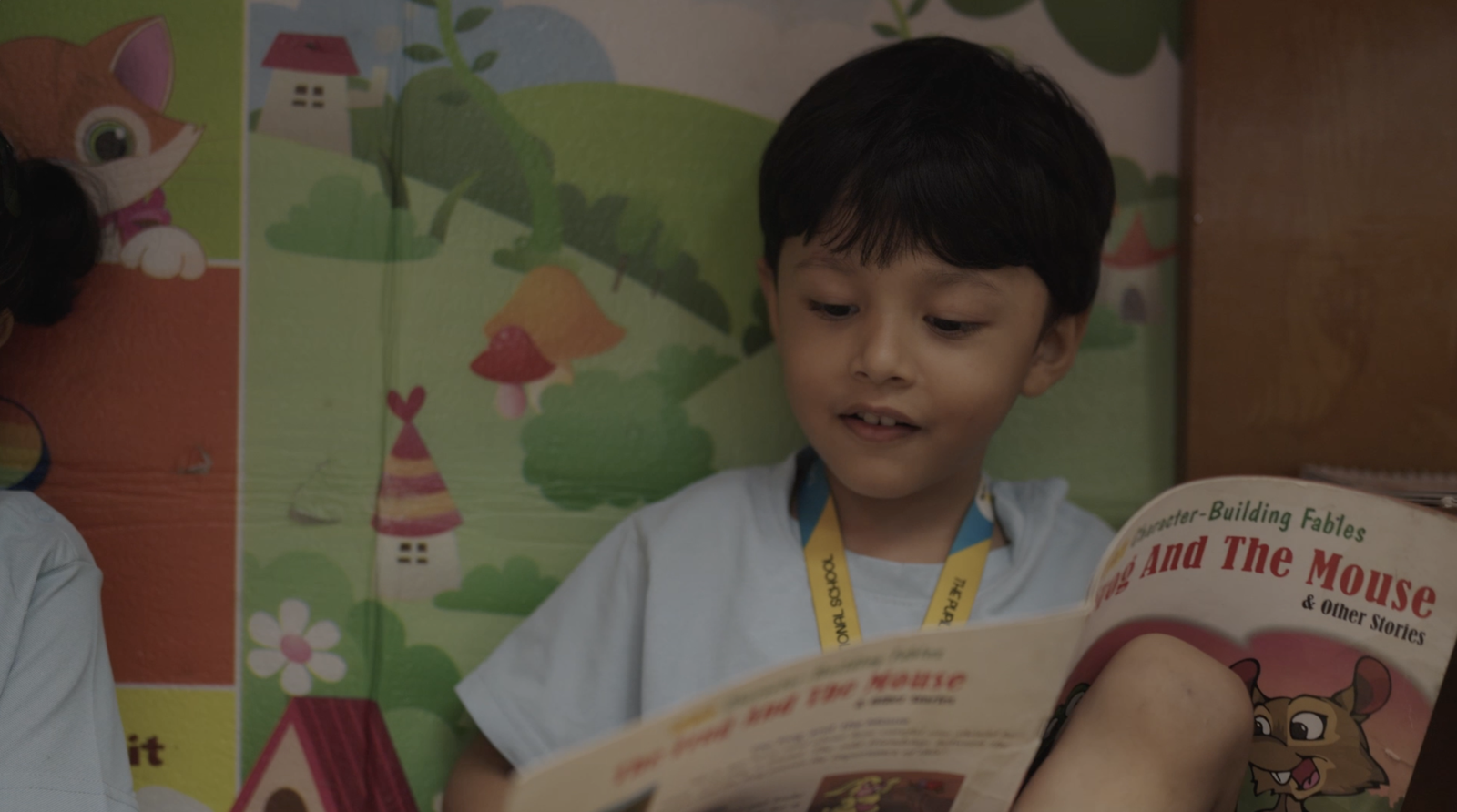
Stories and early literacy

A love of language comes first. Stories, rhymes and phonics are part of every day, so reading and writing grow naturally.
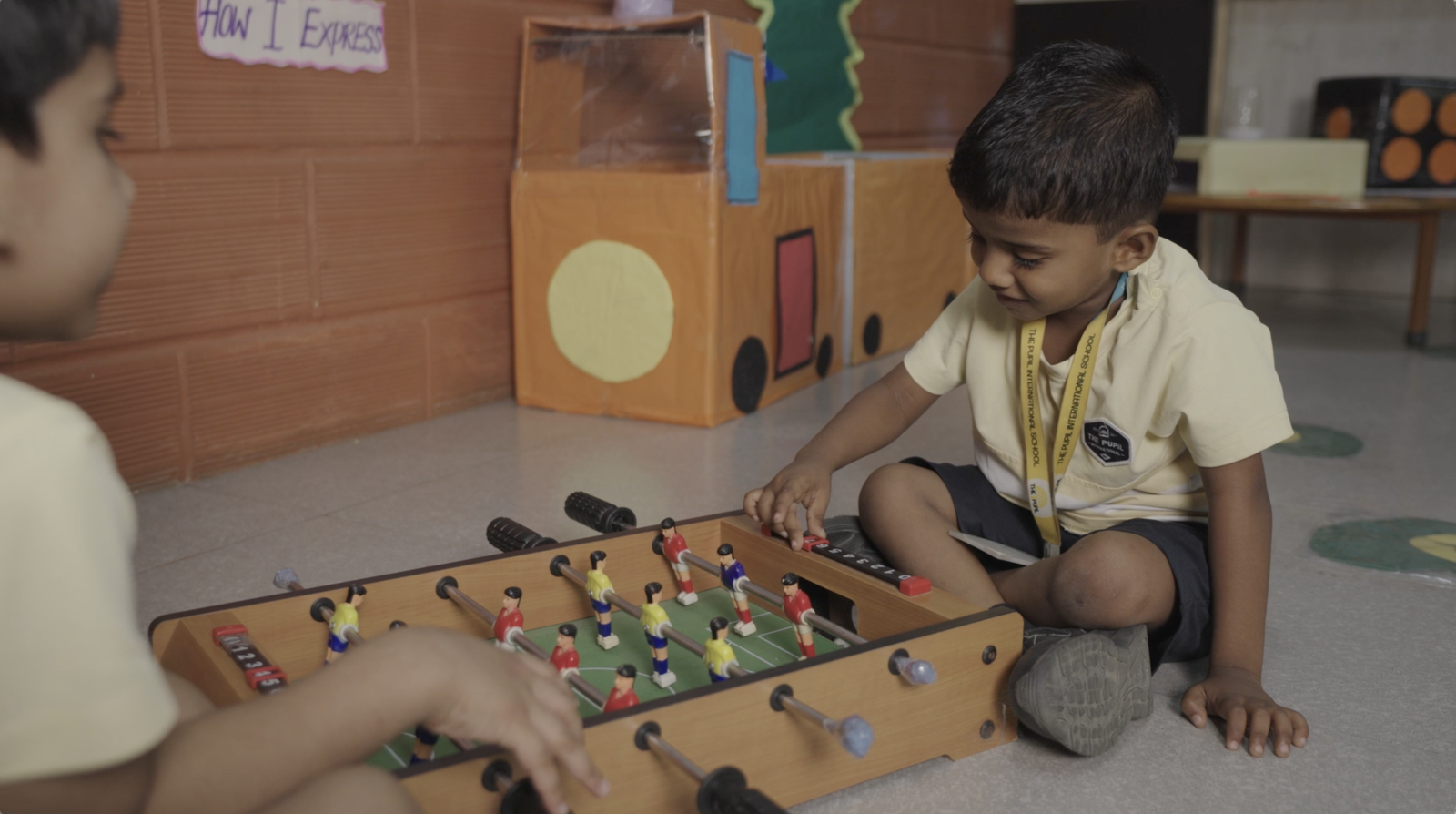
Numbers through play

Maths starts with things children can touch and move. Games and puzzles make numbers, shapes and patterns real.
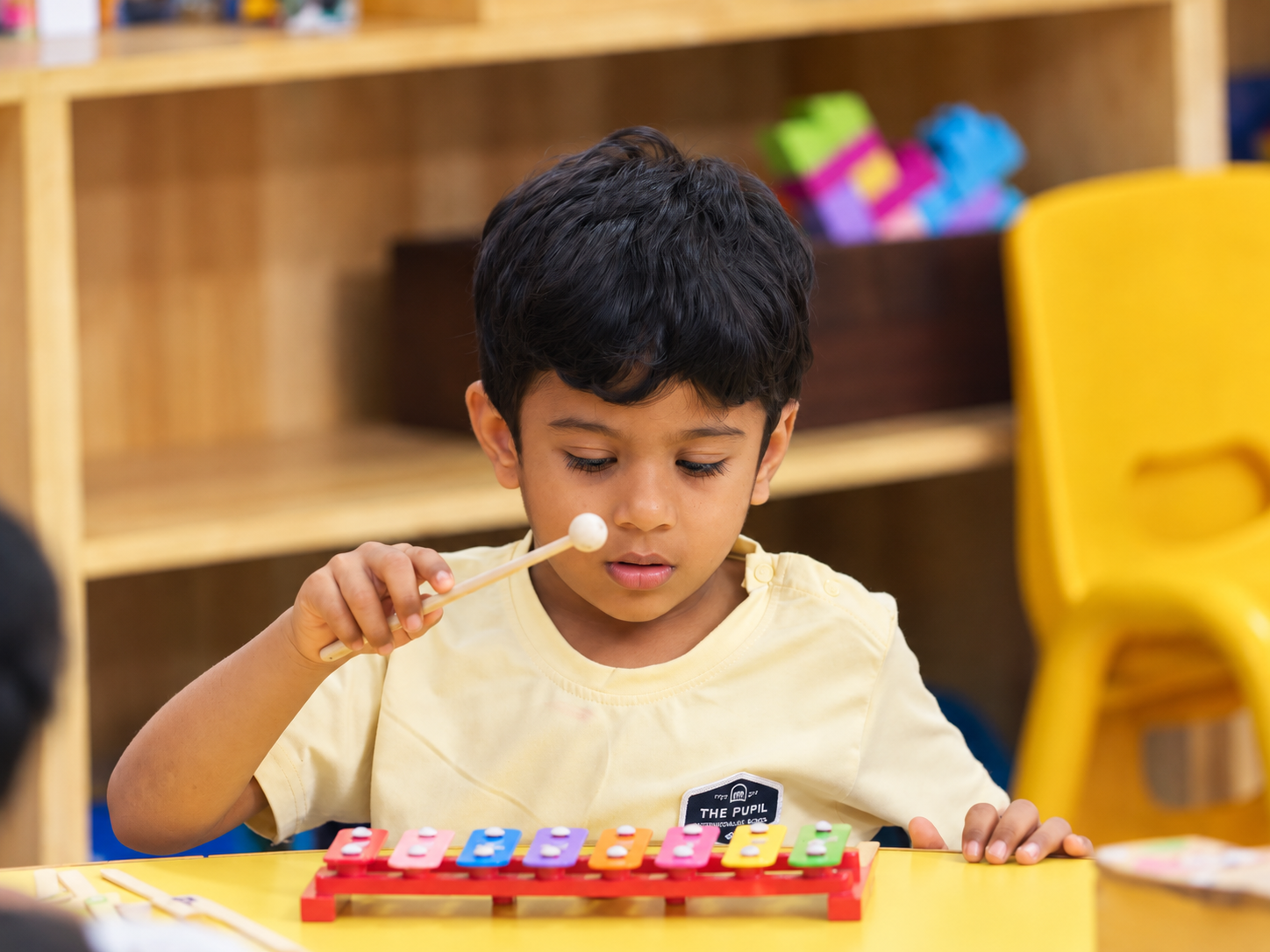
Early years student exploring music with a colourful xylophone at The Pupil International School

Art, music and movement

Creative time builds imagination, self-expression and the fine motor control children need for writing.
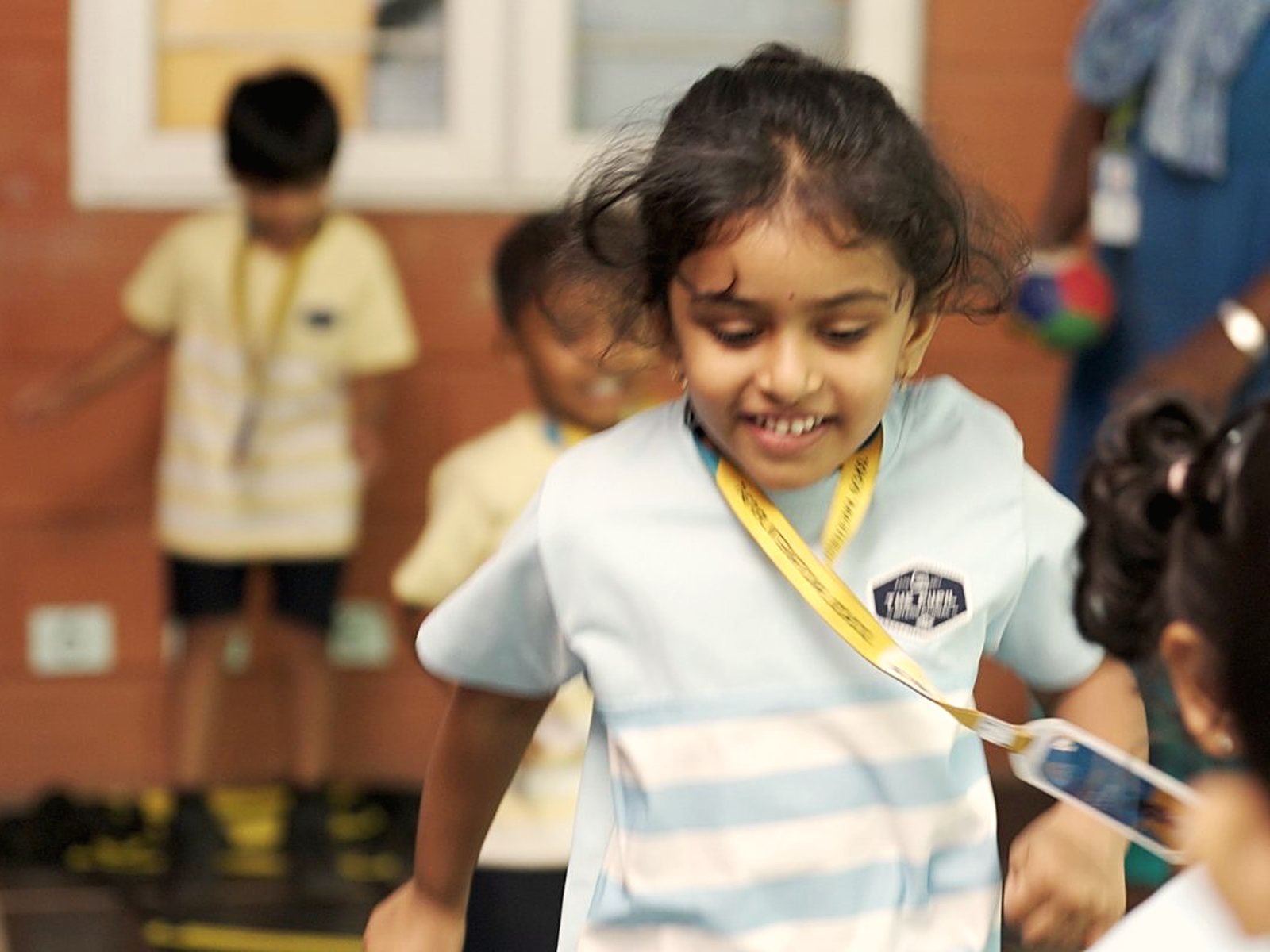
A young girl running and jumping, with friends behind her.

Learning outdoors

The outdoors is a classroom too. Open space and nature build strong bodies, curiosity and healthy habits.
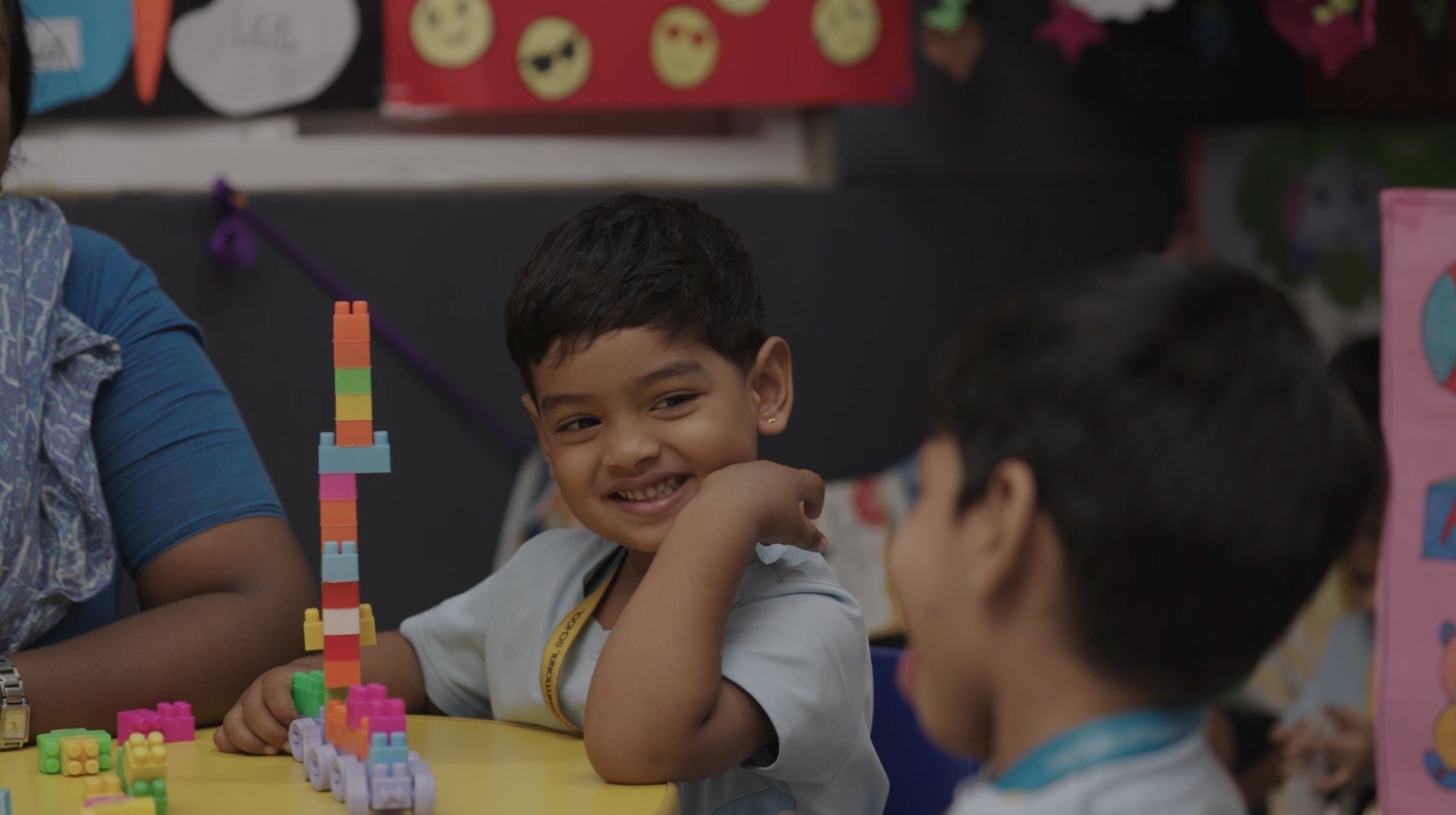
Early Years student smiling beside a colourful tower of building blocks at The Pupil International School.

Friends and feelings

Children learn to get along. Circle time and group work help them share, cooperate and express how they feel.

How learning works

Play is how
young children think.

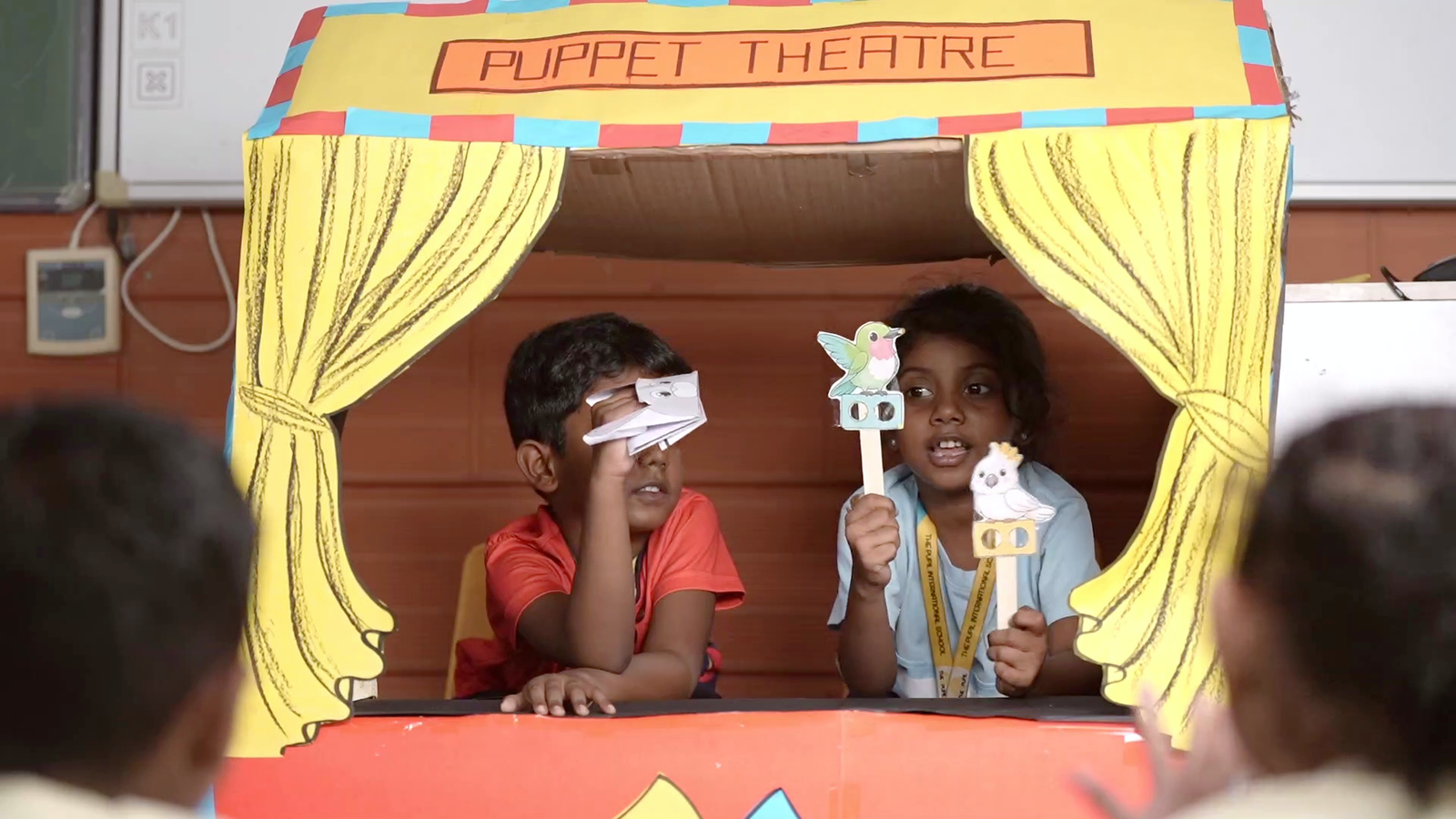
Early Years follows the inquiry approach of the IB Primary Years Programme. Children’s own questions lead the way: they wonder, explore, find out and think about what they discovered. Teachers set up the room with things to wonder about and help each child take the next small step.

Reading, writing and numbers are part of every day, woven into play rather than drilled. By the end of Step 3, children are ready for Form 1: curious, confident and used to asking “why?”.
The week at a glance

A week in
Early Years.

How a typical week is planned, and what your child learns in each part of the day.

Time
Monday
Tuesday
Wednesday
Thursday
Friday
8:00–8:20 AM
Arrival and breakfast
8:20–8:45 AM
Morning circle
Songs, greetings and storytime
8:45–9:30 AM
Outdoor and gross motor
9:30–9:45 AM
Stretch and snacks
9:45–10:45 AM
Inquiry and exploration play
10:45–11:15 AM
Literacy through play
Storytelling, rhymes and phonics
11:15–11:45 AM
Lunch and laughter
11:45 AM–12:20 PM
Numeracy through play
12:20–12:50 PM
Music, movement and dance
12:50–1:30 PM
Calm down and rest
1:30–2:00 PM
Creative arts
Drawing, painting and craft
2:00–2:15 PM
Closing circle time
  1. 8:00–8:20 AMArrival and breakfast
  2. 8:20–8:45 AMMorning circle
  3. 8:45–9:30 AMOutdoor and gross motor
  4. 9:30–9:45 AMStretch and snacks
  5. 9:45–10:45 AMInquiry and exploration play
  6. 10:45–11:15 AMLiteracy through play
  7. 11:15–11:45 AMLunch and laughter
  8. 11:45 AM–12:20 PMNumeracy through play
  9. 12:20–12:50 PMMusic, movement and dance
  10. 12:50–1:30 PMCalm down and rest
  11. 1:30–2:00 PMCreative arts
  12. 2:00–2:15 PMClosing circle time

*Sample week. Subject to change.

Outcomes

What growth looks like.

Video stories coming soon.
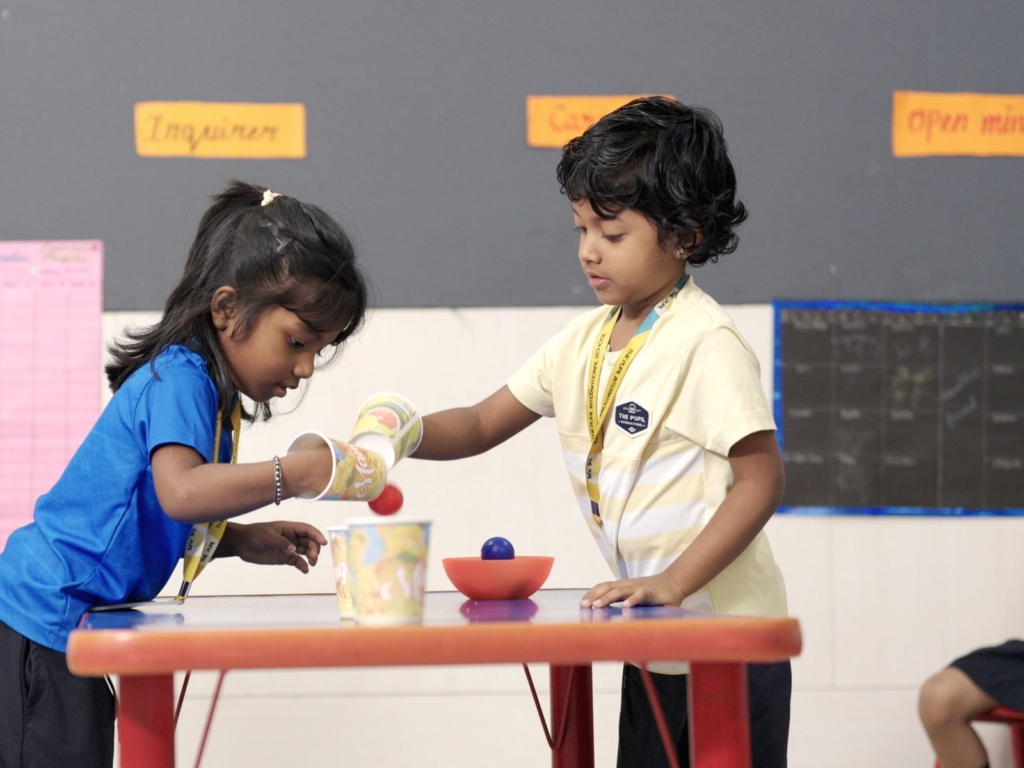
Two IB Early Years students exploring cups and colourful balls through play-based learning at The Pupil International School, Chennai.

Confidence and independence

Video coming soon
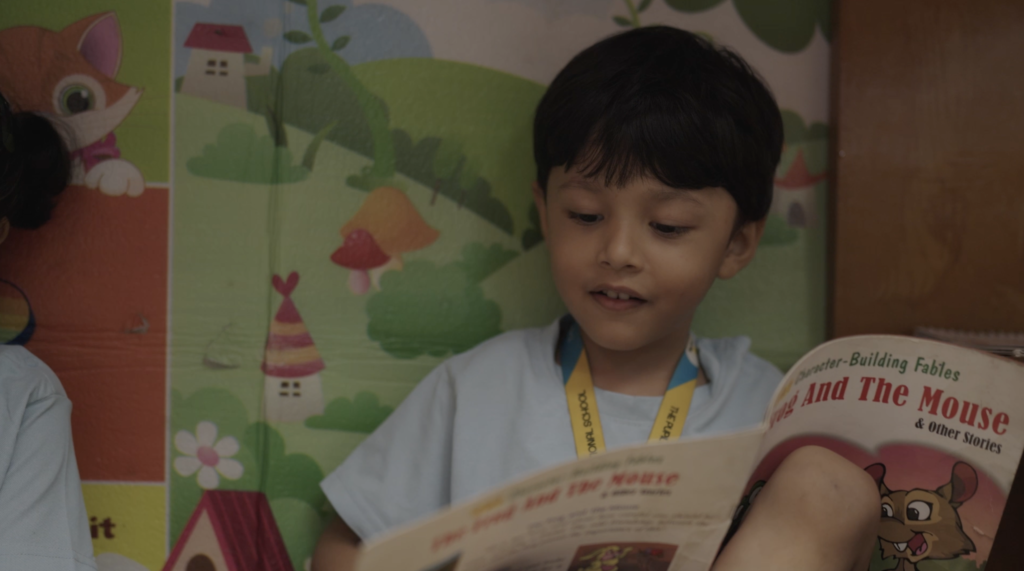
Finding their voice

Video coming soon
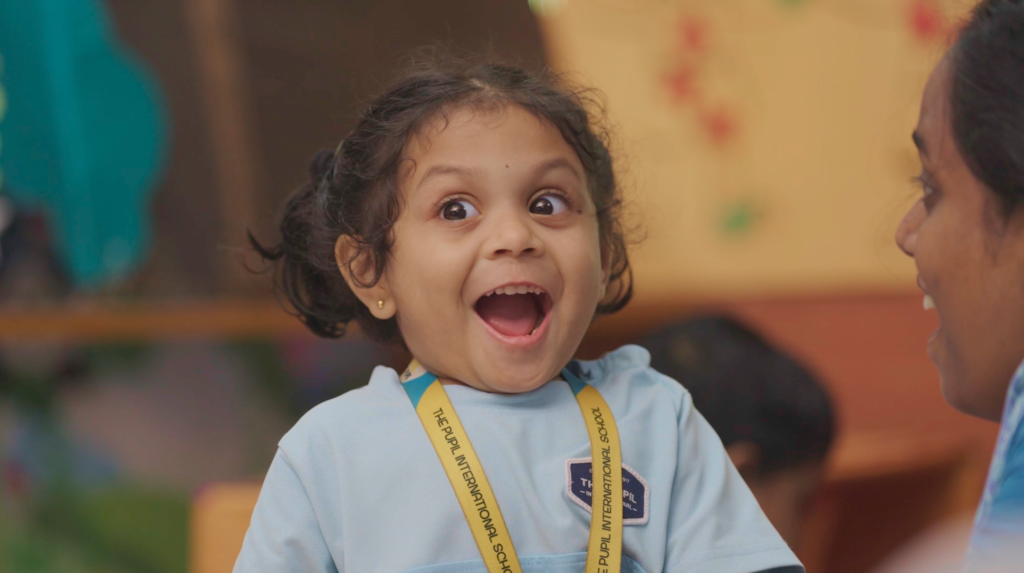
Friendship and feelings

Video coming soon

One learning journey

Explore the
other stages.

Primary
Years

Explore

Forms 1–5 · IB PYP

Questions become discoveries. Children explore, connect ideas and build understanding.
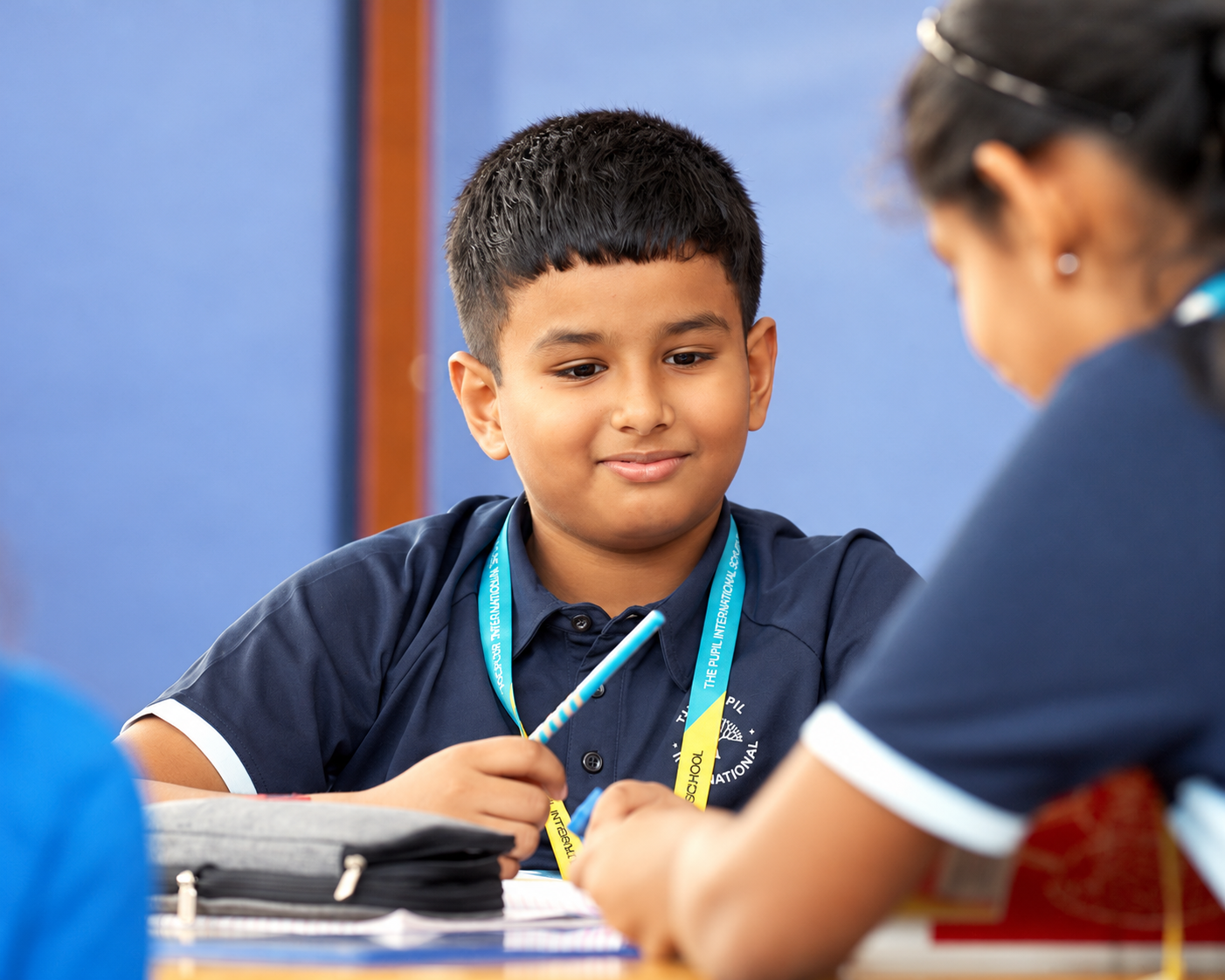
classroom-learning.png Student holding a pencil beside classmates at The Pupil International School, Chennai.
THE PUPIL INTERNATIONAL

Middle
Years

Explore

Forms 6–10 · IB MYP

Ideas meet the wider world. A time to think critically and find your perspective.
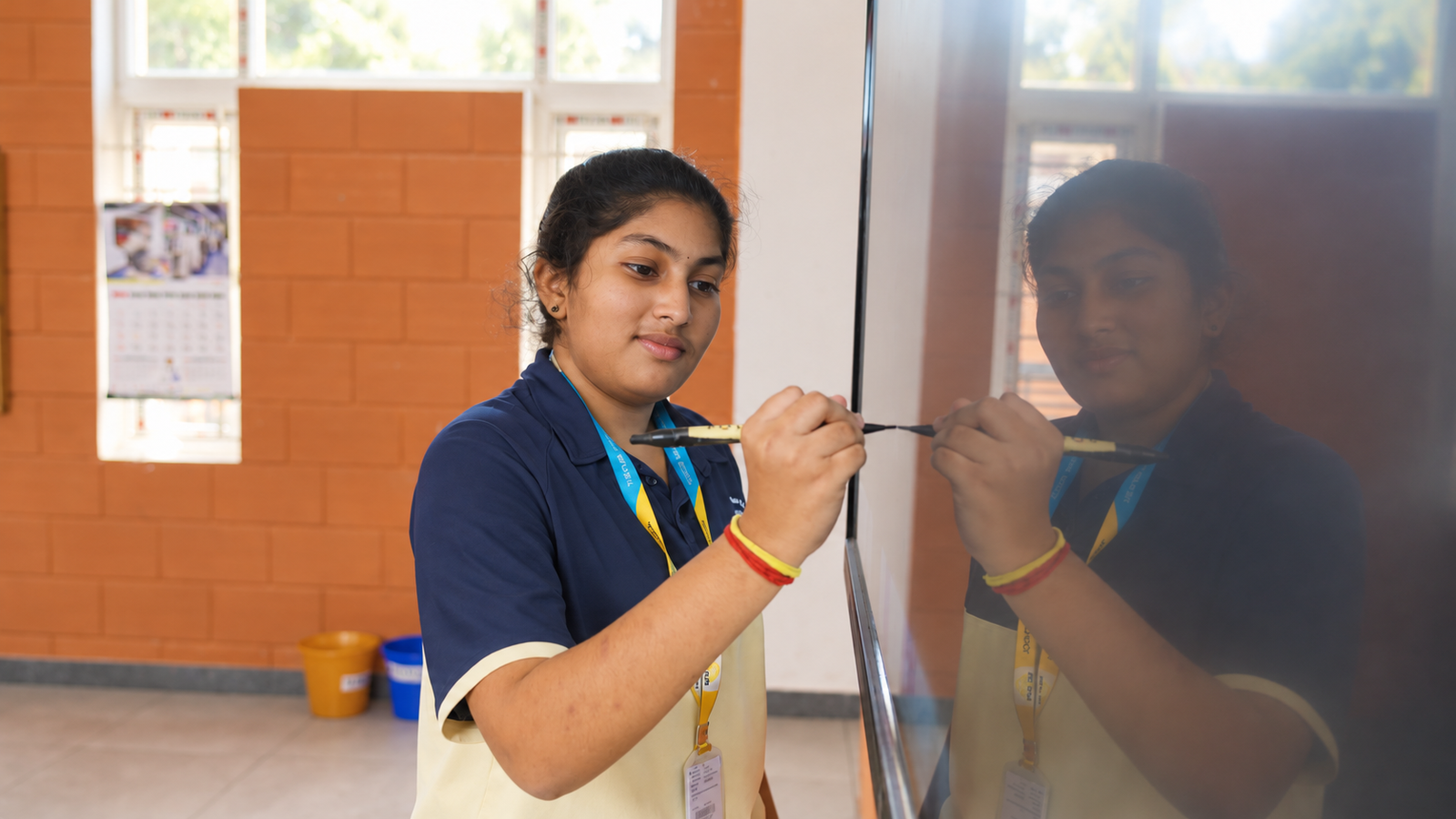
Student writing on a reflective classroom board at The Pupil International School, Chennai.
THE PUPIL INTERNATIONAL

Diploma
Programme

Explore

Forms 11–12 · IB DP

Go deeper into what matters to you. Prepare for university and the possibilities beyond.
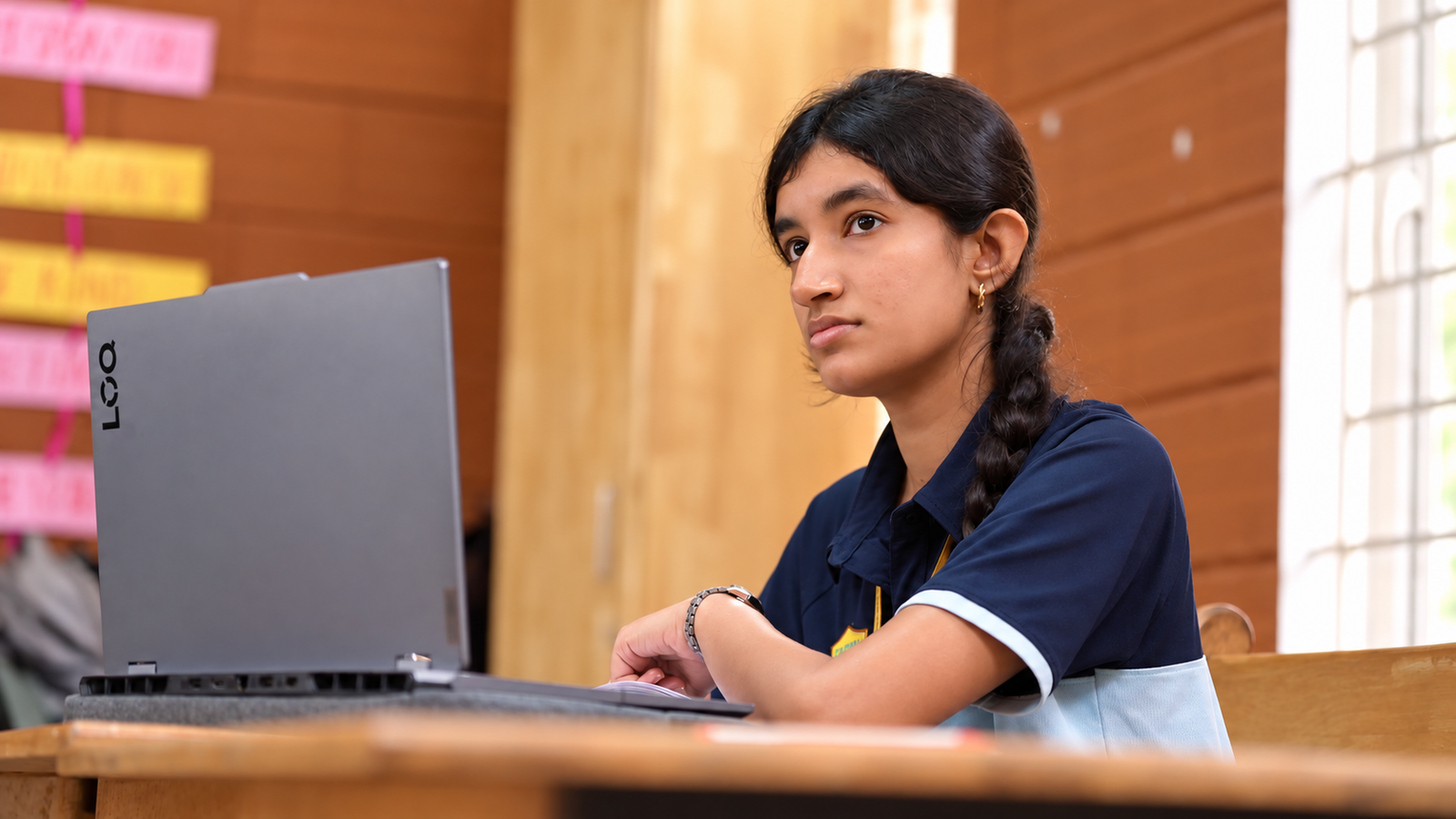
Student seated behind an open laptop, looking towards someone across the classroom.
THE PUPIL INTERNATIONAL
Let’s make it a little clearer

Before your child
starts school.

Talk to admissions
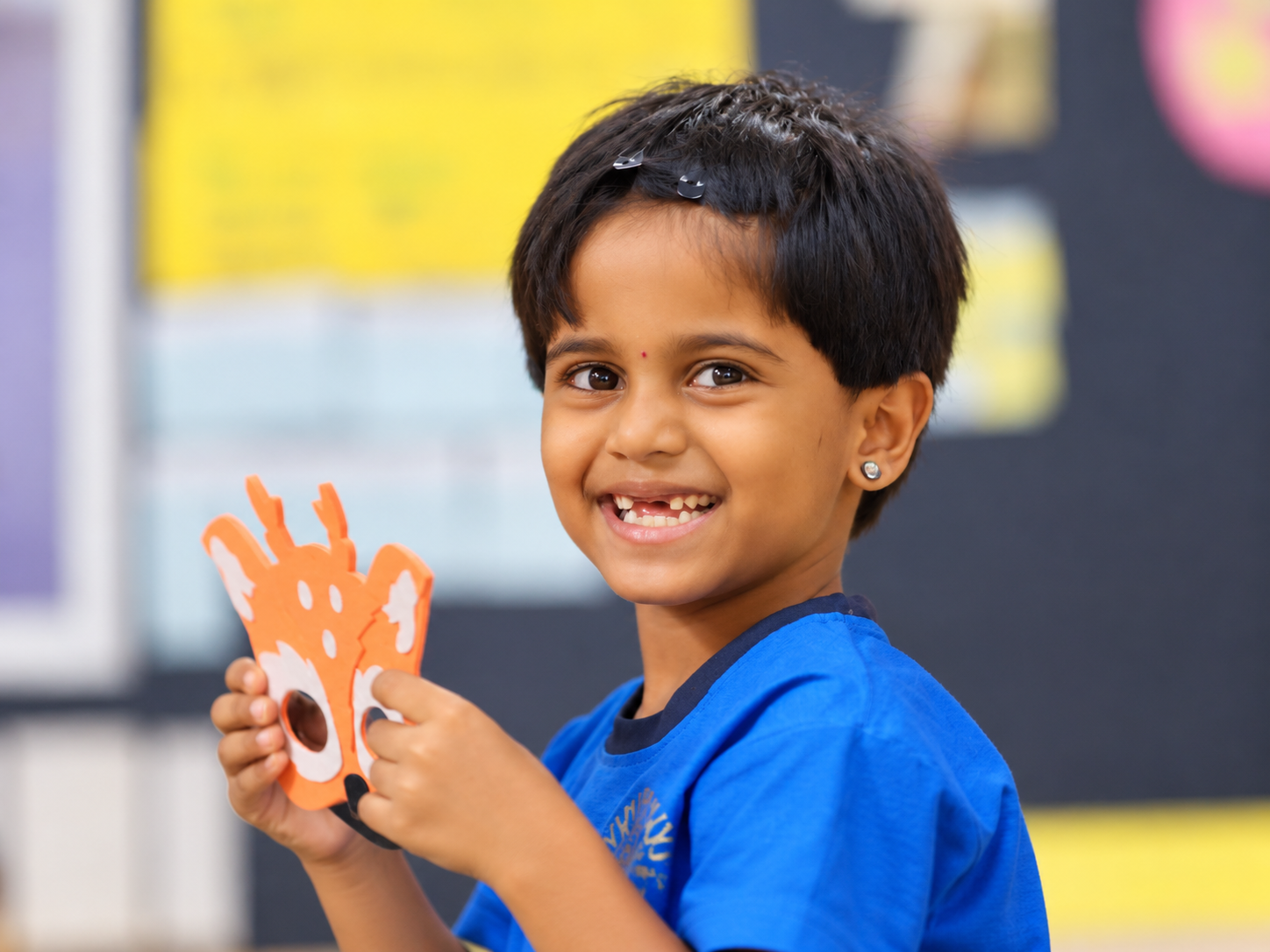
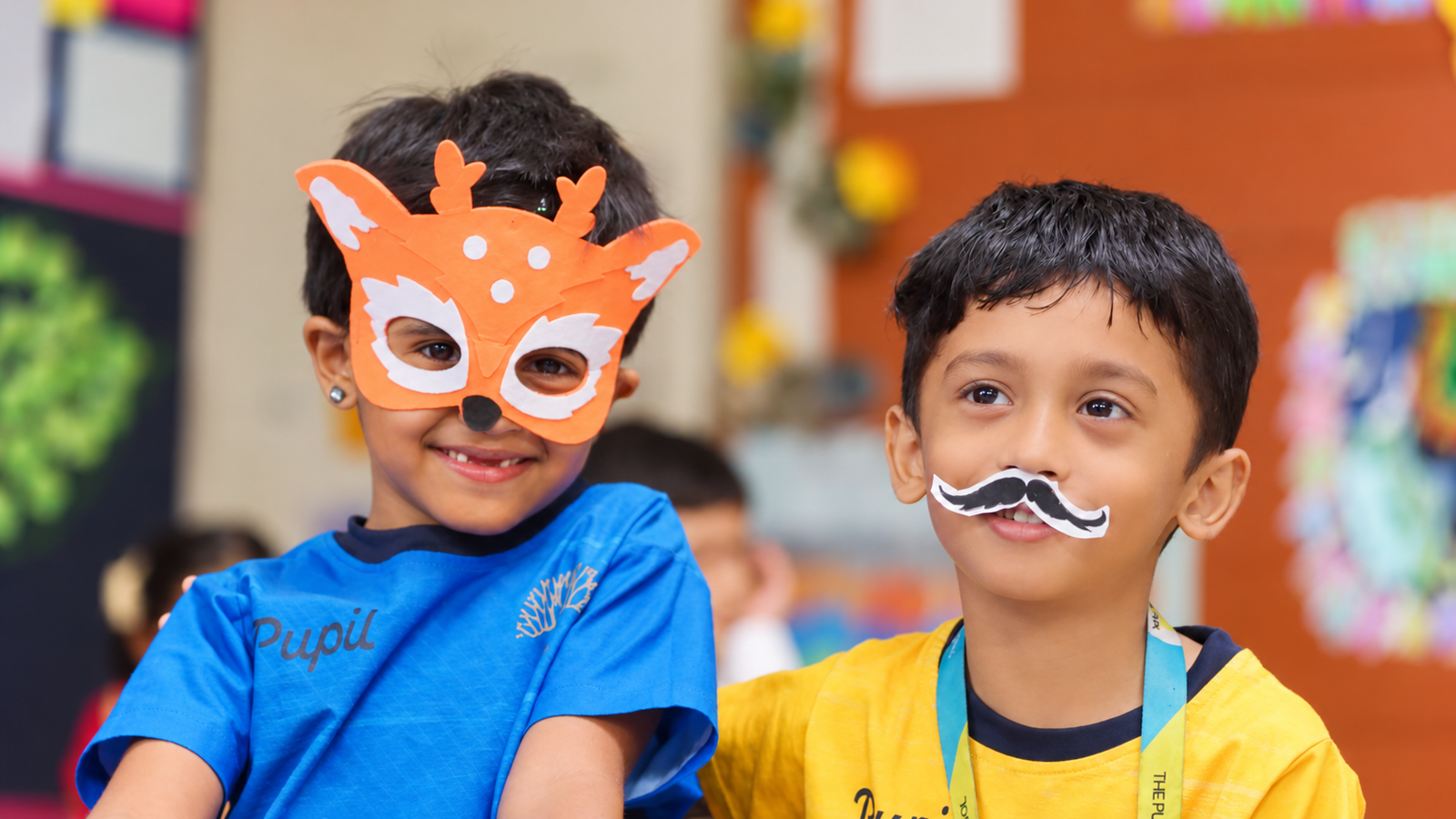
IB Early Years student smiling while holding a handmade animal mask during a creative arts activity at The Pupil International School, Chennai.
What ages is Early Years for?
Early Years is for children aged 3 to 6, across Step 1, Step 2 and Step 3, our equivalent of KG. Our admissions team will confirm the right step for your child’s date of birth.
Is Early Years part of the IB?
Yes. Early Years is the start of the IB Primary Years Programme, which carries on into Form 1. By the end of Step 3, children are curious, confident and ready to read, write and ask “why?”.
How is play part of learning?
Play is planned with a purpose. Teachers set up the room with things to wonder about, join in to stretch children’s thinking, and weave early reading, writing and numbers into what children are already exploring.
How will I know how my child is doing?
You can follow your child’s learning on Myclassboard. Teachers also meet families at regular parent-teacher conferences.
Can we visit before applying?
Yes. Our admissions team will arrange a visit so you can see the classrooms, meet the teachers and ask your questions.
How do we apply?
Start with the admissions form below. Our team will call you, explain the next steps and help you find the right step for your child.
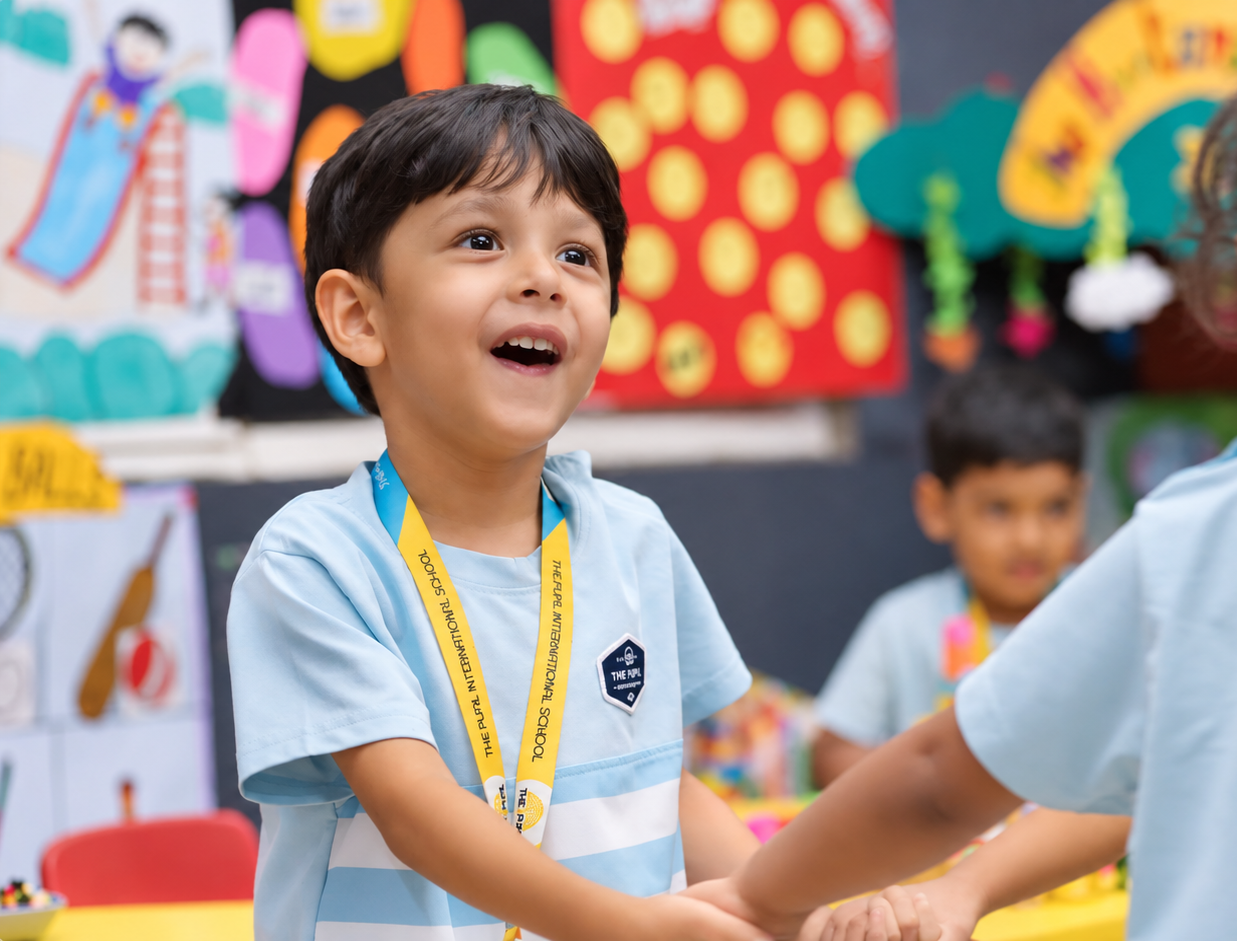
Early years children taking part in a joyful classroom activity at The Pupil International SchoolOur campus · Chennai
Admissions

Start with
a conversation.

Leave your details and our admissions team will call you, answer your questions and help you plan a visit.

Start with a conversation.

We use your details to respond to this enquiry. Privacy policy

Senneerkuppam, Chennai

Video coming soon.

In their own words

EYP Story

1 / 4