

PYP policy
Inclusion.
Every learner, fully supported.
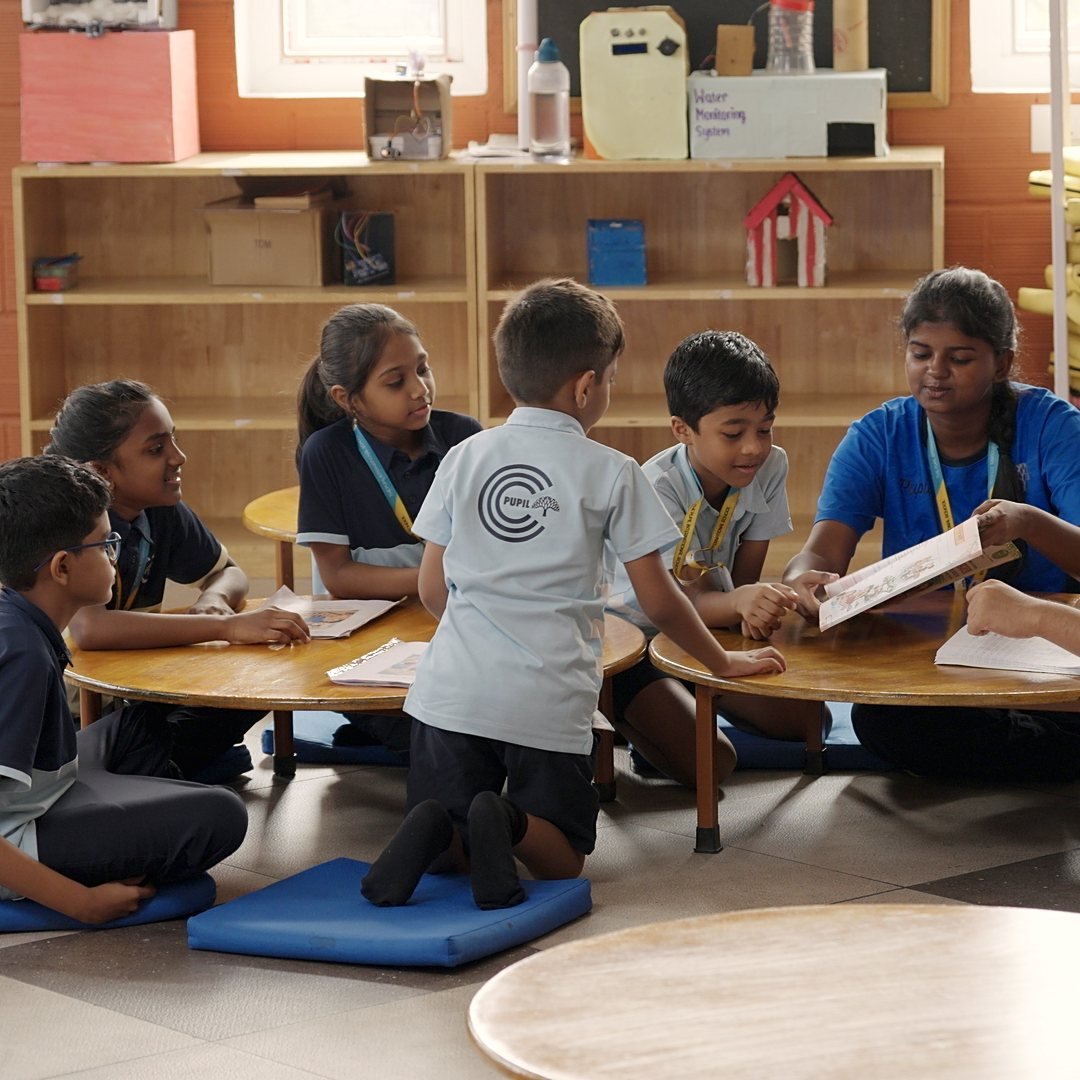
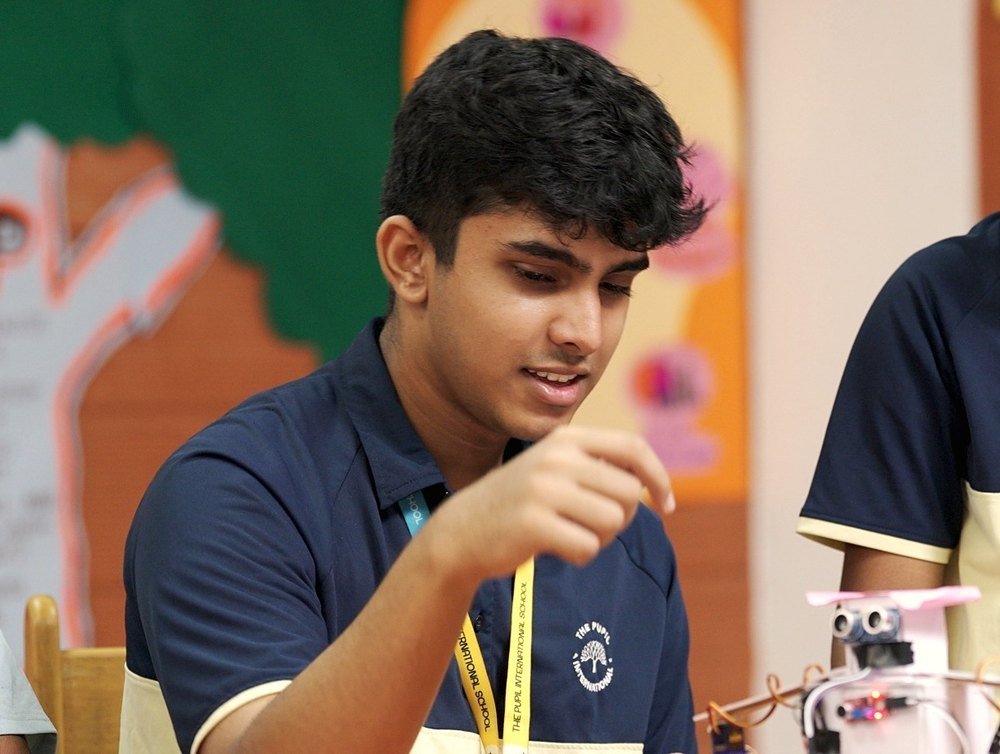
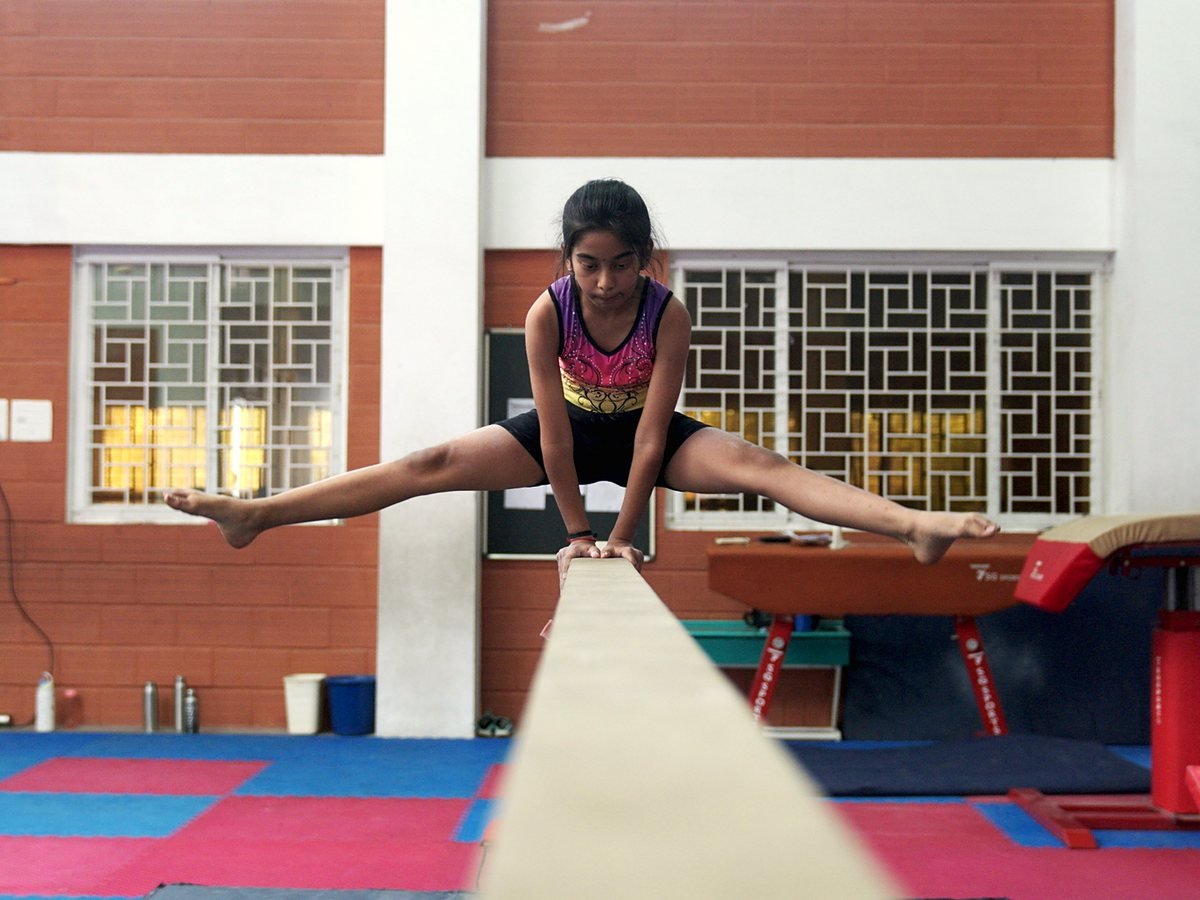
One size does not fit all in education. We work to understand each child’s needs, so that learning is open to every student.
Our mission is to help every child develop the physical, emotional, mental, social and spiritual sides of their being, so they can pursue their chosen path with confidence and success.
“Inclusion is an ongoing process that aims to increase access and engagement in learning for all students by identifying and removing barriers.” (IB, Learning diversity and inclusion in IB programmes)
This policy applies to everyone in the school community: students, staff, parents and visitors.
How we support learning
The Pupil works to give every student access to the full IB programme. Our learning support identifies each student’s learning style, scaffolds their learning and adapts the curriculum. Our trained specialists work with a wide range of needs, including specific learning disabilities, developmental disabilities and attention difficulties.
Every application is considered fairly. Places in Learning Support are limited and depend on the seats and resources available, so that every child gets the attention they need.
Our inclusive practice includes
- A whole-school policy for the Early Years, PYP and MYP, shared with and acknowledged by parents.
- Early intervention and the right resources.
- Support for students with low achievement or learning difficulties, through a team of students, teachers, parents and support staff.
- A whole-school plan to support literacy.
- Individual learning programmes with clear targets for students who receive extra teaching.
- Strong home-school partnerships, including support strategies shared with parents.
- Plans built with specialists and form teachers, reviewed regularly against progress.
- Better access to the campus, such as ramps and lifts, and to the curriculum.
- Orientation for new teachers on this policy.
Pupil Assisted Learning Support (PALS)
The PALS team supports children who are not making progress despite in-class help and differentiated teaching. Support is given in two ways:
- Push-in: the teacher works with the student one-to-one or in a small group inside the class, so they can take part in class activities with little disruption.
- Pull-out: the teacher works with the student individually outside the class, for needs that cannot be met in class. This can include separate sessions and help during exams.
Exam support is confirmed by the PALS team, the form teacher, the PYP Coordinator, the Principal and the Director. Each student in PALS has an Individualised Education Plan (IEP), based on reports from qualified specialists such as paediatricians and educational psychologists.
How a child is assessed for support
- The form teacher and co-teacher report on the child’s progress in academics, social skills and work habits.
- With direction from the Principal and PYP Coordinator, the PALS team observes the child’s learning over a period of time.
- The PALS team records its observations and shares strategies with the form teacher and co-teacher.
- After gathering feedback from all of the child’s teachers, the PALS team writes an observation report.
- The Principal then meets the parents to agree the next steps.
Next steps may include remedial classes, a psycho-educational profile, a formal assessment with an educational psychologist, or a learning support teacher for the child. If a child still cannot make enough progress, the PALS team may suggest an evaluation by an outside agency.
The IEP covers academics, social and emotional development, behaviour, strategies for teachers, recommendations for parents, and regular reviews signed by everyone involved. Students with a diagnosis from a certified child psychologist or paediatrician may be exempted from the second language, with the Director’s approval.
Roles and responsibilities
Form teachers and co-teachers
- Keep a record of each child’s progress.
- Discuss any concerns with the PALS team and keep notes of the steps taken.
- Use differentiated teaching to meet the needs of every student.
- Build on each child’s strengths and create a class where differences are accepted.
- Plan with the PALS team regularly and share lesson plans in advance.
- Keep parents informed about their child’s progress and support.
Learning support teachers (PALS)
- Promote a school-wide understanding of learning differences.
- Plan learning support with class teachers and run pull-out sessions.
- Develop the IEP with the class teacher and the Principal.
- Guide and train teachers to meet the needs of students receiving support.
- Keep parents informed and keep learning support records up to date.
- Suggest resources and strategies for school and home, and connect with outside agencies when needed.
Parents and guardians
- Share relevant information about the child’s health, development and behaviour at home.
- Support and encourage the child, and work with the school for their welfare.
- Attend review meetings and sign home-school agreements.
- Support the child’s work at home towards the agreed targets.
- Make sure the child is rested, prepared and on time for school.
- Share their views on the child’s progress and support.
The school
- Keeps the inclusion policy and procedures up to date.
- Supports teachers in parent meetings when needed.
- Shares the learning support process with all staff.
- Uses the IEP as a main way to track progress.
Parents receive regular feedback on their child’s progress. Student files, including IEPs and session reports, are kept confidential in locked cupboards and can be seen only by the learning support teacher, the PYP Coordinator, the Principal and the Director.
Leaving learning support
- A student moves back to mainstream classes when they are doing well in class and no longer need pull-out or in-class support.
- The family is fully informed before any decision is made.
- The form teacher and PALS teacher complete a Learning Support Exit form.
- If a family cannot continue formal learning support for financial reasons, the child continues to be monitored by a guidance counsellor.
Developing the programme
We keep reviewing and improving the PALS programme, and teachers receive regular training to differentiate learning. Students may need inclusive assessment arrangements because of:
- Autism spectrum conditions
- Learning difficulties and disabilities
- Medical conditions
- Mental, physical, emotional or sensory challenges
- Speech or communication difficulties
Guidelines
- The inclusion policy and procedures are available on request.
- The policy is shared at admission and throughout the child’s time at school.
- Guidance on inclusion and on physical and mental health is available from class teachers, the Principal and the school’s visiting psychologist at parent-teacher meetings.
- The whole school works to make every child feel included, important and cared for.
Policy review
This is a working document and is updated every year by the Policy Review Committee: the Director, the Principal, the PYP Coordinator, the PALS team and the consulting educational psychologist.
Last reviewed March 2021. Next review March 2022.
Sources
- The Learning Code of Practice (November 2001)
- Learning diversity in the International Baccalaureate programmes: Special educational needs within the IB programmes (2010)
Questions about this policy? Write to admission@thepupil.in or call +91 98848 89910.